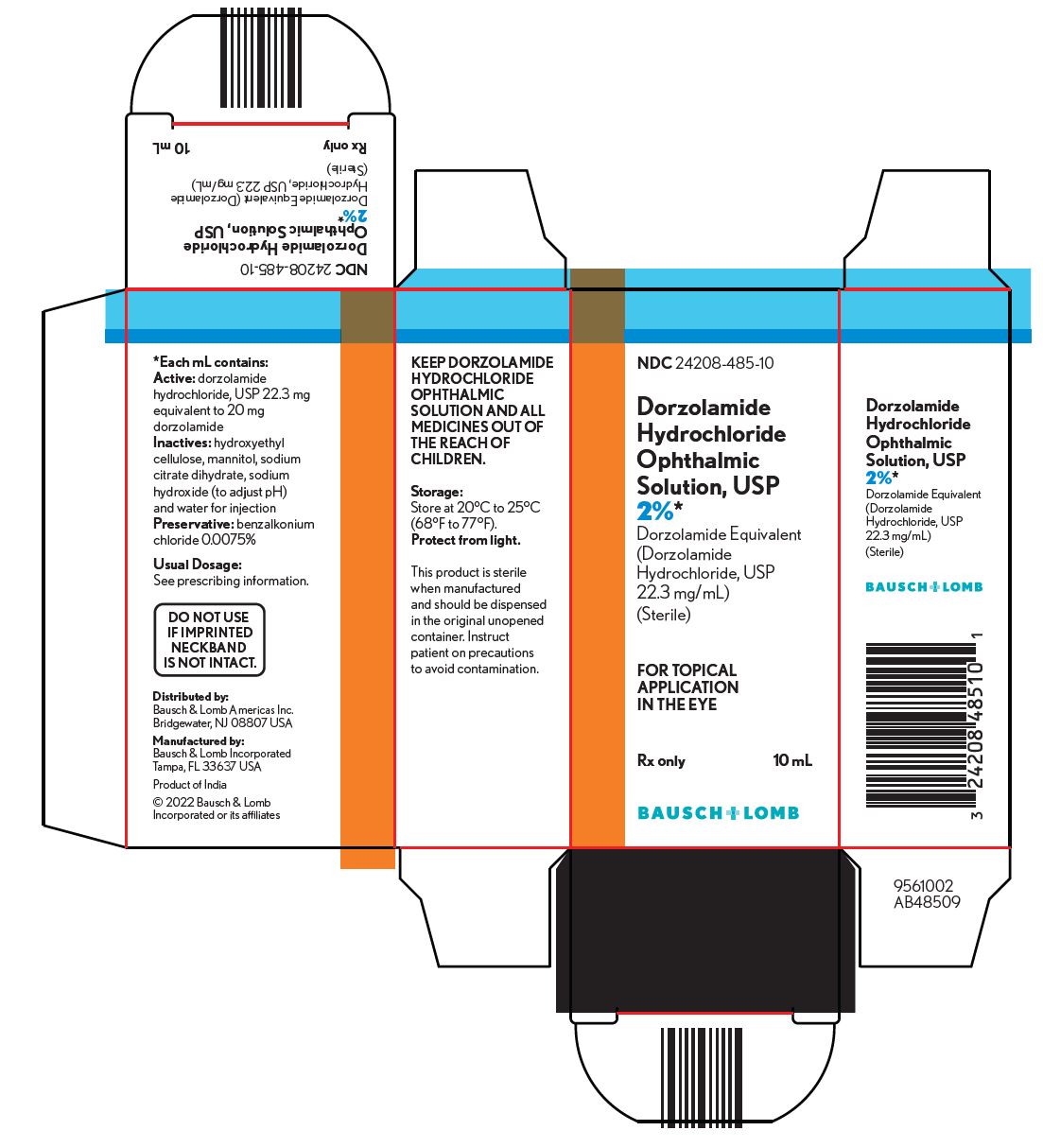
DORZOLAMIDE HCL / TIMOLOL OPHTHALMIC SOLUTION 22.3MG-6.8MG / ML 10 ML
Generic: Dorzolamide Hydrochloride and Timolol Maleate Ophthalmic Solution
DORZOLAMIDE HCL / TIMOLOL OPHTHALMIC SOLUTION 22.3MG-6.8MG / ML 10 ML
Sign up to see pricing
Licensed pharmacies, clinics, doctor's offices, and veterinary practices get instant account approval
Sign Up — Instant ApprovalDrug Information
Identification
Dorzolamide Hydrochloride and Timolol Maleate Ophthalmic Solution
Dorzolamide and Timolol
Leading Pharma, LLC
HUMAN PRESCRIPTION DRUG
Administration
SOLUTION
OPHTHALMIC
ANDA205295
Active Ingredients
| Ingredient | Strength |
|---|---|
| DORZOLAMIDE HYDROCHLORIDE | 20 mg/mL |
| TIMOLOL MALEATE | 5 mg/mL |
Pharmacological Class
Data sourced from openFDA / DailyMed. For full prescribing information, consult the drug label.
Wholesale compliance resources
Drug Resources
Clinical Drug Information
Indications & Usage
1 INDICATIONS AND USAGE Dorzolamide hydrochloride and timolol maleate ophthalmic solution is a combination of dorzolamide hydrochloride, a carbonic anhydrase inhibitor and timolol maleate, a beta-adrenergic receptor blocking agent indicated for the reduction of elevated intraocular pressure (IOP) in patients with open-angle glaucoma or ocular hypertension who are insufficiently responsive to beta-blockers. The IOP-lowering of Dorzolamide hydrochloride and timolol maleate ophthalmic solution twice daily was slightly less than that seen with the concomitant administration of 0.5% timolol twice daily, and 2% dorzolamide three times daily. ( 1 ) Dorzolamide hydrochloride and timolol maleate ophthalmic solution is indicated for the reduction of elevated intraocular pressure (IOP) in patients with open angle glaucoma or ocular hypertension who are insufficiently responsive to beta-blockers (failed to achieve target IOP determined after multiple measurements over time). The IOP-lowering of Dorzolamide hydrochloride and timolol maleate ophthalmic solution administered twice a day was slightly less than that seen with the concomitant administration of 0.5%timolol administered twice a day and 2% dorzolamide administered three times a day [ see Clinical Studies ( 14 ) ].
Dosage & Administration
2 DOSAGE AND ADMINISTRATION The dose is one drop of Dorzolamide hydrochloride and timolol maleate ophthalmic solution in the affected eye(s) two times daily. ( 2 ) The dose is one drop of Dorzolamide hydrochloride and timolol maleate ophthalmic solution in the affected eye(s) two times daily. If more than one topical ophthalmic drug is being used, the drugs should be administered at least five minutes apart [ see Drug Interactions ( 7.3 ) ].
Adverse Reactions
6 ADVERSE REACTIONS The most frequently reported adverse reactions were taste perversion (bitter, sour, or unusual taste) or ocular burning and/or stinging in up to 30% of patients. Conjunctival hyperemia, blurred vision, superficial punctate keratitis or eye itching were reported between 5 to 15% of patients. ( 6 ) To report SUSPECTED ADVERSE REACTIONS, contact LEADING PHARMA at 1-844-740-7500 or FDA at 1-800-FDA-1088 or www.fda.gov/medwatch 6.1 Clinical Trials Experience Because clinical trials are conducted under widely varying conditions, adverse reaction rates observed in the clinical trials of a drug cannot be directly compared to rates in the clinical trials of another drug and may not reflect the rates observed in practice. Dorzolamide hydrochloride and timolol maleate ophthalmic solution was evaluated in 1035 patients with elevated intraocular pressure treated for open-angle glaucoma or ocular hypertension for up to 15 months. Approximately 5% of all patients discontinued therapy because of adverse reactions. The most frequently reported adverse reactions occurring in up to 30% of patients were taste perversion (bitter, sour, or unusual taste) or ocular burning and/or stinging. The following adverse reactions were reported in 5 to 15% of patients: conjunctival hyperemia, blurred vision, superficial punctate keratitis or eye itching. The following adverse reactions were reported in 1 to 5% of patients: abdominal pain, back pain, blepharitis, bronchitis, cloudy vision, conjunctival discharge, conjunctival edema, conjunctival follicles, conjunctival injection, conjunctivitis, corneal erosion, corneal staining, cortical lens opacity, cough, dizziness, dryness of eyes, dyspepsia, eye debris, eye discharge, eye pain, eye tearing, eyelid edema, eyelid erythema, eyelid exudate/scales, eyelid pain or discomfort, foreign body sensation, glaucomatous cupping, headache, hypertension, influenza, lens nucleus coloration, lens opacity, nausea, nuclear lens opacity, pharyngitis, post-subcapsular cataract, sinusitis, upper respiratory infection, urinary tract infection, visual field defect, vitreous detachment. Other adverse reactions that have been reported with the individual components are listed below: Dorzolamide 2% Angioedema, asthenia/fatigue, bronchospasm, contact dermatitis, epistaxis, eyelid crusting, ocular discomfort, photophobia, signs and symptoms of ocular allergic reaction, transient myopia. Timolol (ocular administration) Body as a Whole : Asthenia/fatigue; Cardiovascular : Arrhythmia, syncope, cerebral ischemia, worsening of angina pectoris, palpitation, cardiac arrest, pulmonary edema, edema, claudication, Raynaud's phenomenon, and cold hands and feet; Digestive : Anorexia, abdominal pain; Immunologic : Systemic lupus erythematosus; Nervous System/ Psychiatric : Increase in signs and symptoms of myasthenia gravis, somnolence, insomnia, nightmares, behavioral changes and psychic disturbances including confusion, hallucinations, anxiety, disorientation, nervousness, and memory loss; Skin : Alopecia, psoriasiform rash or exacerbation of psoriasis; Hypersensitivity : Signs and symptoms of systemic allergic reactions, including anaphylaxis, angioedema, urticaria, and localized and generalized rash; Respiratory : Bronchospasm (predominantly in patients with pre-existing bronchospastic disease); Endocrine : Masked symptoms of hypoglycemia in diabetic patients; Special Senses : Ptosis, decreased corneal sensitivity, cystoid macular edema, visual disturbances including refractive changes and diplopia, pseudopemphigoid, and tinnitus; Urogenital : Retroperitoneal fibrosis, decreased libido, impotence, and Peyronie's disease; Musculoskeletal : Myalgia. 6.2 Post-Marketing Experience The following adverse reactions have been identified during post-approval use of Dorzolamide hydrochloride and timolol maleate ophthalmic solution. Because these reactions are reported voluntarily from a population of uncertain size, it is not always possible to reliably estimate their frequency or establish a causal relationship to drug exposure: bradycardia, cardiac failure, cerebral vascular accident, chest pain, choroidal detachment following filtration surgery, depression, diarrhea, dry mouth, dyspnea, heart block, hypotension, iridocyclitis, myocardial infarction, nasal congestion, Stevens-Johnson syndrome, toxic epidermal necrolysis, paresthesia, photophobia, respiratory failure, skin rashes, urolithiasis, and vomiting. Timolol (oral administration) The following additional adverse reactions have been reported in clinical experience with ORAL timolol maleate or other ORAL beta-blocking agents and may be considered potential effects of ophthalmic timolol maleate: Allergic : Erythematous rash, fever combined with aching and sore throat, laryngospasm with respiratory distress; Body as a Whole : Extremity pain, decreased exercise tolerance, weight loss; Cardiovascular : Worsening of arterial insufficiency, vasodilatation; Digestive : Gastrointestinal pain, hepatomegaly, mesenteric arterial thrombosis, ischemic colitis; Hematologic : Nonthrombocytopenic purpura; thrombocytopenic purpura, agranulocytosis; Endocrine : Hyperglycemia, hypoglycemia; Skin : Pruritus, skin irritation, increased pigmentation, sweating; Musculoskeletal : Arthralgia; Nervous System/Psychiatric : Vertigo, local weakness, diminished concentration, reversible mental depression progressing to catatonia, an acute reversible syndrome characterized by disorientation for time and place, emotional lability, slightly clouded sensorium, and decreased performance on neuropsychometrics; Respiratory : Rales, bronchial obstruction; Urogenital : Urination difficulties.
Information for Patients
17 PATIENT COUNSELING INFORMATION Advise the patient to read the FDA-Approved patient labeling (Patient Information and Instructions for Use). 17.1 Potential for Exacerbation of Asthma and COPD Dorzolamide Hydrochloride and Timolol Maleate Ophthalmic Solution may cause severe worsening of asthma and COPD symptoms including death due to bronchospasm. Advise patients with bronchial asthma, a history of bronchial asthma, or severe chronic obstructive pulmonary disease not to take this product. [ see Contraindications ( 4.1 ) ]. 17.2 Potential of Cardiovascular Effects Dorzolamide Hydrochloride and Timolol Maleate Ophthalmic Solution may cause worsening of cardiac symptoms. Advise patients with sinus bradycardia, second or third degree atrioventricular block, or cardiac failure not to take this product. [ see Contraindications ( 4.2 ) ]. 17.3 Sulfonamide Reactions Dorzolamide Hydrochloride and Timolol Maleate Ophthalmic Solution contains dorzolamide (which is a sulfonamide) and, although administered topically, is absorbed systemically. Therefore the same types of adverse reactions that are attributable to sulfonamides may occur with topical administration, including severe skin reactions. Advise patients that if serious or unusual reactions or signs of hypersensitivity occur, they should discontinue the use of the product and seek their physician's advice. [ see Warnings and Precautions ( 5.3 ) ]. 17.4 Handling Ophthalmic Solutions Instruct patients those ocular solutions, if handled improperly or if the tip of the dispensing container contacts the eye or surrounding structures can become contaminated by common bacteria known to cause ocular infections. Serious damage to the eye and subsequent loss of vision may result from using contaminated solutions. [ see Warnings and Precautions ( 5.12 ) ]. 17.5 Intercurrent Ocular Conditions Advise patients that if they have ocular surgery or develop an intercurrent ocular condition (e.g., trauma or infection), they should immediately seek their physician's advice concerning the continued use of the present multidose container. 17.6 Concomitant Topical Ocular Therapy If more than one topical ophthalmic drug is being used, the drugs should be administered at least five minutes apart. 17.7 Contact Lens Use Advise patients that Dorzolamide Hydrochloride and Timolol Maleate Ophthalmic Solution contains benzalkonium chloride which may be absorbed by soft contact lenses. Contact lenses should be removed prior to administration of the solution. Lenses may be reinserted 15 minutes following administration of Dorzolamide Hydrochloride and Timolol Maleate Ophthalmic Solution. Manufactured By: FDC Limited, B-8, M.I.D.C. Industrial Area, Waluj, Aurangabad 431 136, Maharashtra India Distributed By: Leading Pharma, LLC Fairfield, NJ07004 Revised: December 2021 Patient Information Dorzolamide hydrochloride and timolol maleate ophthalmic solution for topical ophthalmic use What is Dorzolamide hydrochloride and timolol maleate ophthalmic solution? Dorzolamide hydrochloride and timolol maleate ophthalmic solution is a prescription eye drop solution. It contains dorzolamide hydrochloride, which is an ophthalmic carbonic anhydrase inhibiting drug. It also contains timolol maleate, which is a beta-blocking drug. Dorzolamide hydrochloride and timolol maleate ophthalmic solution is used to lower high pressure in the eye in people with open-angle glaucoma or ocular hypertension. It is used when a beta-blocker eyedrop alone is not adequate to control eye pressure. It is not known if Dorzolamide Hydrochloride and Timolol Maleate Ophthalmic Solution is safe and effective in children 2 years of age and younger. Do not use Dorzolamide hydrochloride and timolol maleate ophthalmic solution if you have: have or have had asthma. have chronic obstructive pulmonary disease (COPD) which includes emphysema, chronic bronchitis or both. have heart problems including a slow heartbeat, heart block, heart failure, or your heart muscle suddenly becomes weak due to a severe heart attack or other heart problem that caused heart damage (cardiogenic shock). are allergic to any of the ingredients in Dorzolamide Hydrochloride and Timolol Maleate Ophthalmic Solution. See the end of this Patient Information leaflet for a complete list of ingredients in Dorzolamide Hydrochloride and Timolol Maleate Ophthalmic Solution. Before using Dorzolamide Hydrochloride and Timolol Maleate Ophthalmic Solution, tell your healthcare provider about all your medical conditions, including if you: have or have had allergies to sulfa drugs have a history of anaphylactic reactions to allergens have atopy (genetic disposition to develop allergic reactions) have or have had muscle weakness or myasthenia gravis have diabetes have thyroid disease have or have had kidney or liver problems plan to have any type of surgery wear contact lenses are using any other eye drops have an eye infection or eye trauma are pregnant or plan to become pregnant. It is not known if Dorzolamide Hydrochloride and Timolol Maleate Ophthalmic Solution will harm your unborn baby. Tell your healthcare provider right away if you become pregnant while using Dorzolamide Hydrochloride and Timolol Maleate Ophthalmic Solution. You and your healthcare provider will decide if you should use Dorzolamide Hydrochloride and Timolol Maleate Ophthalmic Solution while you are pregnant. are breastfeeding or plan to breastfeed. It is not known if Dorzolamide Hydrochloride and Timolol Maleate Ophthalmic Solution passes into breastmilk. Talk to your healthcare provider about the best way to feed your baby while using Dorzolamide Hydrochloride and Timolol Maleate Ophthalmic Solution. Tell your healthcare provider about all the medicines you take, including prescription and over-the-counter medicines, vitamins, and herbal supplements. Dorzolamide Hydrochloride and Timolol Maleate Ophthalmic Solution may affect the way medicines work, and other medicines may affect how Dorzolamide Hydrochloride and Timolol Maleate Ophthalmic Solution works. Do not start a new medicine without first talking to your healthcare provider. Ask your healthcare provider or pharmacist for a list of medicines you are using, if you are not sure. Know the medicines you take. Keep a list of them and show it to your healthcare provider and pharmacist when you get a new medicine. How should I use Dorzolamide Hydrochloride and Timolol Maleate Ophthalmic Solution? See the complete Instructions for Use at the end of this Patient Information leaflet for detailed instructions about the right way to use Dorzolamide Hydrochloride and Timolol Maleate Ophthalmic Solution. Use Dorzolamide Hydrochloride and Timolol Maleate Ophthalmic Solution exactly as your healthcare provider tells you. Use 1 drop of Dorzolamide Hydrochloride and Timolol Maleate Ophthalmic Solution in the affected eye or both eyes if needed, 2 times each day. 1 drop in the morning and 1 drop in the evening. If you are using Dorzolamide Hydrochloride and Timolol Maleate Ophthalmic Solution with another eyedrop, wait at least 5 minutes before or after using Dorzolamide Hydrochloride and Timolol Maleate Ophthalmic Solution. If you have eye surgery or have any problems with your eye such as trauma or an infection, talk to your healthcare provider about continuing to use the bottle (multidose) that contains Dorzolamide Hydrochloride and Timolol Maleate Ophthalmic Solution. Dorzolamide Hydrochloride and Timolol Maleate Ophthalmic Solution contains a preservative called benzalkonium chloride. The preservative may be absorbed by soft contact lenses. If you wear contact lenses, remove them before using Dorzolamide Hydrochloride and Timolol Maleate Ophthalmic Solution. The lenses can be placed back into your eyes 15 minutes after using Dorzolamide Hydrochloride and Timolol Maleate Ophthalmic Solution. Do not touch your eye or eyelid with the dropper tip. Eye medicines, not handled the right way, can become contaminated by bacteria that can cause eye infections. Serious damage to the eye and followed by loss of vision may happen from using contaminated eye medicines. If you think your Dorzolamide Hydrochloride and Timolol Maleate Ophthalmic Solution medicine may be contaminated, or if you develop an eye infection, contact your healthcare provider right away about continuing to use your bottle of Dorzolamide Hydrochloride and Timolol Maleate Ophthalmic Solution. If you use too much Dorzolamide Hydrochloride and Timolol Maleate Ophthalmic Solution you may have dizziness, headaches, shortness of breath, slow heartbeats, or problems breathing. If you have any of these symptoms call your healthcare provider or go to the nearest hospital emergency room right away. What are the possible side effects of Dorzolamide Hydrochloride and Timolol Maleate Ophthalmic Solution? Dorzolamide Hydrochloride and Timolol Maleate Ophthalmic Solution may cause serious side effects, including: severe breathing problems. These breathing problems can happen in people who have asthma, chronic obstructive pulmonary disease, or heart failure and can cause death. Tell your healthcare provider right away if you have breathing problems while using Dorzolamide Hydrochloride and Timolol Maleate Ophthalmic Solution. heart failure. This can happen in people who already have heart failure and in people who have never had heart failure before. Tell your healthcare provider right away if you get any of these symptoms of heart failure while taking Dorzolamide Hydrochloride and Timolol Maleate Ophthalmic Solution: shortness of breath irregular heartbeat (palpitations) swelling of your ankles or feet sudden weight gain serious sulfa (sulfonamide) reactions. Serious reactions including death can happen in people who are allergic to sulfonamide medicines like one of the medicines in Dorzolamide Hydrochloride and Timolol Maleate Ophthalmic Solution. Other serious reactions can include: severe skin reactions liver problems blood problems Stop using Dorzolamide Hydrochloride and Timolol Maleate Ophthalmic Solution and call your healthcare provider or get emergency help right away if you get any of these symptoms of an allergic reaction: swelling of your face, lips, mouth, or tongue wheezing skin rash, redness, or swelling fast heartbeat or pounding in your chest trouble breathing severe itching dizziness or fainting sweating increased allergic reactions. People who have a genetic history of developing allergies (atopy) or who have a history of severe anaphylactic reactions from different allergens may have increased allergic reactions while taking beta-blockers, like one of the medicines in Dorzolamide Hydrochloride and Timolol Maleate Ophthalmic Solution. Your usual dose of epinephrine used to treat your anaphylactic reactions may not work as well. Stop using Dorzolamide Hydrochloride and Timolol Maleate Ophthalmic Solution and call your healthcare provider or get emergency help right away if you get any of these symptoms of an allergic reaction: ● swelling of your face, lips, mouth, or tongue ● wheezing ● skin rash, redness, or swelling ● fast heartbeat or pounding in your chest ● trouble breathing ● severe itching ● dizziness or fainting ● sweating worsening muscle weakness. Muscle weakness symptoms including double vision or drooping eyelids can happen while using Dorzolamide Hydrochloride and Timolol Maleate Ophthalmic Solution. Muscle weakness can get worse in people who already have problems with muscle weakness like myasthenia gravis. swelling of eye. Some people with low counts of certain types of cells in the eye have developed corneal edema when using Dorzolamide Hydrochloride and Timolol Maleate Ophthalmic Solution. Call your healthcare provider if you have swelling in your eyes. The most common side effects of Dorzolamide Hydrochloride and Timolol Maleate Ophthalmic Solution include: eye burning eye redness eye tearing a bitter, sour, or unusual taste after putting in your eyedrops eye stinging blurred vision eye itching These are not all the possible side effects of Dorzolamide Hydrochloride and Timolol Maleate Ophthalmic Solution. Call your doctor for medical advice about side effects. You may report side effects to FDA at 1-800-FDA1088 How should I store Dorzolamide Hydrochloride and Timolol Maleate Ophthalmic Solution? Store at 68° to 77°F (20° to 25°C). Protect from light. Do not use Dorzolamide Hydrochloride and Timolol Maleate Ophthalmic Solution after the expiration date on the bottle Keep Dorzolamide Hydrochloride and Timolol Maleate Ophthalmic Solution and all medicine out of the reach of children. General information about the safe and effective use of Dorzolamide Hydrochloride and Timolol Maleate Ophthalmic Solution. Medicines are sometimes prescribed for purposes other than those listed in a Patient Information leaflet. Do not use Dorzolamide Hydrochloride and Timolol Maleate Ophthalmic Solution for a condition for which it was not prescribed. Do not give Dorzolamide Hydrochloride and Timolol Maleate Ophthalmic Solution.to other people, even if they have the same symptoms that you have. It may harm them. You can ask your pharmacist or healthcare provider for information about Dorzolamide Hydrochloride and Timolol Maleate Ophthalmic Solution that is written for health professionals. What are the ingredients in Dorzolamide Hydrochloride and Timolol Maleate Ophthalmic Solution? Active ingredients: dorzolamide hydrochloride and timolol maleate Inactive ingredients: sodium citrate, hydroxyethylcellulose, sodium hydroxide, mannitol, water for injection and benzalkonium chloride added as a preservative. This Patient Package Information has been approved by the U.S. Food and Drug Administration 12/2021 INSTRUCTIONS FOR USE Dorzolamide Hydrochloride and Timolol Maleate Ophthalmic Solution for topical ophthalmic use Read this Instructions for Use before you start using Dorzolamide Hydrochloride and Timolol Maleate Ophthalmic Solution and each time you get a refill. There may be new information. This leaflet does not take the place of talking to your healthcare provider about your medical condition or treatment. Important Information: Dorzolamide Hydrochloride and Timolol Maleate Ophthalmic Solution is for use in the eye. If you are using Dorzolamide Hydrochloride and Timolol Maleate Ophthalmic Solution with another eyedrop, wait at least 5 minutes before or after using Dorzolamide Hydrochloride and Timolol Maleate Ophthalmic Solution. If you wear contact lenses, remove them before using Dorzolamide Hydrochloride and Timolol Maleate Ophthalmic Solution. The lenses can be placed back into your eyes 15 minutes after using Dorzolamide Hydrochloride and Timolol Maleate Ophthalmic Solution. Do not touch your eye or eyelid with the dropper tip. Eye medicines, not handled the right way, can become contaminated by bacteria that can cause eye infections. Serious damage to the eye and followed by loss of vision may happen from using contaminated eye medicines. If you think your Dorzolamide Hydrochloride and Timolol Maleate Ophthalmic Solution medicine may be contaminated, or if you develop an eye infection, contact your healthcare provider right away about continuing to use your bottle of Dorzolamide Hydrochloride and Timolol Maleate Ophthalmic Solution Wash your hands before each use to make sure you do not infect your eyes while using Dorzolamide Hydrochloride and Timolol Maleate Ophthalmic Solution. Before using the eyedrops for the first time, be sure that dust cover seal is unbroken. If the Safety Seal is broken, call your pharmacist to get a new bottle of Dorzolamide Hydrochloride and Timolol Maleate Ophthalmic Solution. Refer (I-VI). This Instructions for Use has been approved by the U.S. Food and Drug Administration 12/2021 Manufactured By: FDC Limited, B-8, M.I.D.C. Industrial Area, Waluj, Aurangabad 431 136, Maharashtra India Distributed By: Leading Pharma, LLC Fairfield, NJ07004 Revised : December 2021 I fig 2 fig 3 fig 4 fig 5 fig 6
Clinical data sourced from openFDA drug labeling. For complete prescribing information, consult the full drug label.