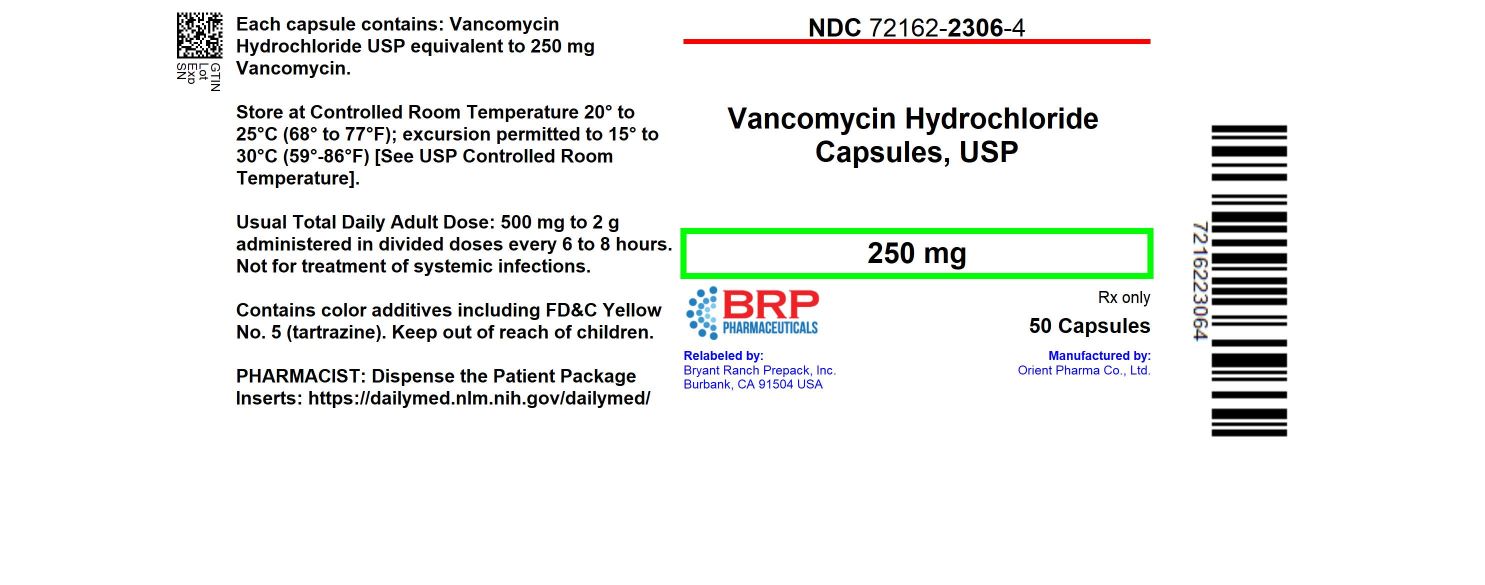
VANCOMYCIN 250 MG 50 CAP
Generic: vancomycin hydrochloride
VANCOMYCIN 250 MG 50 CAP
Sign up to see pricing
Licensed pharmacies, clinics, doctor's offices, and veterinary practices get instant account approval
Sign Up — Instant ApprovalDrug Information
Identification
vancomycin hydrochloride
vancomycin hydrochloride
ANI Pharmaceuticals, Inc.
HUMAN PRESCRIPTION DRUG
Administration
CAPSULE
ORAL
NDA050606
Active Ingredients
| Ingredient | Strength |
|---|---|
| VANCOMYCIN HYDROCHLORIDE | 250 mg/1 |
Pharmacological Class
Data sourced from openFDA / DailyMed. For full prescribing information, consult the drug label.
Wholesale compliance resources
Clinical Drug Information
Indications & Usage
1 INDICATIONS AND USAGE Vancomycin Hydrochloride Capsules are indicated for the treatment of Clostridioides difficile -associated diarrhea. Vancomycin Hydrochloride Capsules are also used for the treatment of enterocolitis caused by Staphylococcus aureus (including methicillin-resistant strains) in adult and pediatric patients less than 18 years of age. Limitations of Use • Parenteral administration of vancomycin is not effective for the above infections; therefore, Vancomycin Hydrochloride Capsules must be given orally for these infections. • Orally administered Vancomycin Hydrochloride Capsules are not effective for other types of infections. To reduce the development of drug-resistant bacteria and maintain the effectiveness of Vancomycin Hydrochloride Capsules and other antibacterial drugs, Vancomycin Hydrochloride Capsules should be used only to treat or prevent infections that are proven or strongly suspected to be caused by susceptible bacteria. When culture and susceptibility information are available, they should be considered in selecting or modifying antibacterial therapy. In the absence of such data, local epidemiology and susceptibility patterns may contribute to the empiric selection of therapy. Vancomycin Hydrochloride Capsules are a glycopeptide antibacterial indicated in adult and pediatric patients (less than 18 years of age) for the treatment of: ( 1 ) • Clostridioides difficile-associated diarrhea • Enterocolitis caused by Staphylococcus aureus (including methicillin-resistant strains) Limitations of Use: ( 1 ) ( 5.1 ) • Parenteral administration of vancomycin is not effective for the above infections; therefore, Vancomycin Hydrochloride Capsules must be given orally for these infections. • Orally administered Vancomycin Hydrochloride Capsules are not effective for other types of infections. To reduce the development of drug-resistant bacteria and maintain the effectiveness of Vancomycin Hydrochloride Capsules and other antibacterial drugs, Vancomycin Hydrochloride Capsules should be used only to treat or prevent infections that are proven or strongly suspected to be caused by bacteria. ( 1 )
Dosage & Administration
2 DOSAGE AND ADMINISTRATION • C. difficile- associated diarrhea: • Adult Patients (18 years of age or greater): 125 mg orally 4 times daily for 10 days. ( 2.1 ) • Pediatric Patients (less than 18 years of age): 40 mg/kg in 3 or 4 divided doses for 7 to 10 days. The total daily dosage should not exceed 2 g. ( 2.2 ) • Staphylococcal enterocolitis: • Adult Patients (18 years of age or greater): 500 mg to 2 g orally in 3 or 4 divided doses for 7 to 10 days. ( 2.1 ) • Pediatric Patients (less than 18 years of age): 40 mg/kg in 3 or 4 divided doses for 7 to 10 days. The total daily dosage should not exceed 2 g. ( 2.2 ) 2.1 Adults Vancomycin Hydrochloride Capsules are used in treating C. difficile -associated diarrhea and staphylococcal enterocolitis. • C. difficile- associated diarrhea: The recommended dose is 125 mg administered orally 4 times daily for 10 days. • Staphylococcal enterocolitis: Total daily dosage is 500 mg to 2 g administered orally in 3 or 4 divided doses for 7 to 10 days. 2.2 Pediatric Patients (less than 18 years of age) For both C. difficile -associated diarrhea and staphylococcal enterocolitis, the usual daily dosage is 40 mg/kg in 3 or 4 divided doses for 7 to 10 days. The total daily dosage should not exceed 2 g.
Adverse Reactions
6 ADVERSE REACTIONS The most common adverse reactions (≥ 10%) were nausea (17%), abdominal pain (15%), and hypokalemia (13%). ( 6.1 ) To report SUSPECTED ADVERSE REACTIONS, contact ANI Pharmaceuticals, Inc. at 1-855-204-1431 or FDA at 1-800-FDA-1088 or www.fda.gov/medwatch. 6.1 Clinical Trials Experience Because clinical studies are conducted under widely varying conditions, adverse reaction rates observed in the clinical studies of a drug cannot be directly compared to rates in the clinical studies of another drug and may not reflect the rates observed in practice. The data described below reflect exposure to vancomycin in 260 adult subjects in two Phase 3 clinical trials for the treatment of diarrhea associated with C. difficile . In both trials, subjects received vancomycin 125 mg orally four times daily. The mean duration of treatment was 9.4 days. The median age of patients was 67, ranging between 19 and 96 years of age. Patients were predominantly Caucasian (93%) and 52% were male. Adverse reactions occurring in ≥ 5% of vancomycin-treated subjects are shown in Table 1. The most common adverse reactions associated with vancomycin (≥ 10%) were nausea, abdominal pain, and hypokalemia. Table 1: Common ( ≥ 5%) Adverse Reactions a for Vancomycin Reported in Clinical Trials for Treatment of Diarrhea Associated with C. difficile a Adverse reaction rates were derived from the incidence of treatment-emergent adverse events. System/Organ Class Adverse Reaction Vancomycin % (N=260) Gastrointestinal disorders Nausea Abdominal pain Vomiting Diarrhea Flatulence 17 15 9 9 8 General disorders and administration site conditions Pyrexia Edema peripheral Fatigue 9 6 5 Infections and infestations Urinary tract infection 8 Metabolism and nutrition disorders Hypokalemia 13 Musculoskeletal and connective tissue disorders Back pain 6 Nervous system disorders Headache 7 Nephrotoxicity (e.g., reports of renal failure, renal impairment, blood creatinine increased) occurred in 5% of subjects treated with vancomycin. Nephrotoxicity following vancomycin typically first occurred within one week after completion of treatment (median day of onset was Day 16). Nephrotoxicity following vancomycin occurred in 6% of subjects >65 years of age and 3% of subjects ≤65 years of age [see Warnings and Precautions ( 5.3 )] . The incidences of hypokalemia, urinary tract infection, peripheral edema, insomnia, constipation, anemia, depression, vomiting, and hypotension were higher among subjects >65 years of age than in subjects ≤65 years of age [see Use in Specific Populations ( 8.5 )] . Discontinuation of study drug due to adverse events occurred in 7% of subjects treated with vancomycin. The most common adverse events leading to discontinuation of vancomycin were C. difficile colitis (<1%), nausea (<1%), and vomiting (<1%). 6.2 Postmarketing Experience The following adverse reactions have been identified during post-approval use of vancomycin. Because these reactions are reported voluntarily from a population of uncertain size, it is not always possible to reliably estimate their frequency or establish a causal relationship to drug exposure. Ototoxicity : Cases of hearing loss associated with intravenously administered vancomycin have been reported. Most of these patients had kidney dysfunction or a preexisting hearing loss or were receiving concomitant treatment with an ototoxic drug [see Warnings and Precautions ( 5.4 )] . Vertigo, dizziness, and tinnitus have been reported. Skin and Subcutaneous Tissue Disorders: Severe dermatologic reactions such as toxic epidermal necrolysis (TEN), Stevens-Johnson syndrome (SJS), drug reaction with eosinophilia and systemic symptoms (DRESS), acute generalized exanthematous pustulosis (AGEP), and linear IgA bullous dermatosis (LABD) [see Warnings and Precautions ( 5.5 )] , rashes (including exfoliative dermatitis). Hematopoietic : Reversible neutropenia, usually starting 1 week or more after onset of intravenous therapy with vancomycin or after a total dose of more than 25 g, has been reported for several dozen patients. Neutropenia appears to be promptly reversible when vancomycin is discontinued. Thrombocytopenia has been reported. Miscellaneous : Patients have been reported to have had anaphylaxis, drug fever, chills, nausea, eosinophilia, and cases of vasculitis in association with the administration of vancomycin. A condition has been reported that is similar to the IV–induced syndrome with symptoms consistent with anaphylactoid reactions, including hypotension, wheezing, dyspnea, urticaria, pruritus, flushing of the upper body (“vancomycin infusion reaction”), pain and muscle spasm of the chest and back. These reactions usually resolve within 20 minutes but may persist for several hours.
Information for Patients
17 PATIENT COUNSELING INFORMATION Severe Dermatologic Reactions Advise patients about the signs and symptoms of serious skin manifestations. Instruct patients to stop taking Vancomycin Hydrochloride Capsules immediately and promptly seek medical attention at the first signs or symptoms of skin rash, mucosal lesions or blisters [see Warnings and Precautions ( 5.5 )]. Antibacterial Resistance Patients should be counseled that antibacterial drugs including Vancomycin Hydrochloride Capsules should only be used to treat bacterial infections. They do not treat viral infections (e.g., the common cold). When Vancomycin Hydrochloride Capsules are prescribed to treat a bacterial infection, patients should be told that although it is common to feel better early in the course of therapy, the medication should be taken exactly as directed. Skipping doses or not completing the full course of therapy may (1) decrease the effectiveness of the immediate treatment and (2) increase the likelihood that bacteria will develop resistance and will not be treatable by Vancomycin Hydrochloride Capsules or other antibacterial drugs in the future. Manufactured by: ANI Pharmaceuticals, Inc. Baudette, MN 56623 ani
Clinical data sourced from openFDA drug labeling. For complete prescribing information, consult the full drug label.