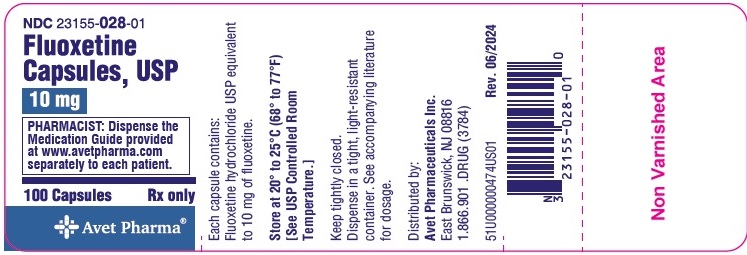
FLUOXETINE TABS 10 MG 100CT
Generic: Fluoxetine
FLUOXETINE TABS 10 MG 100CT
Sign up to see pricing
Licensed pharmacies, clinics, doctor's offices, and veterinary practices get instant account approval
Sign Up — Instant ApprovalDrug Information
Identification
Fluoxetine
Fluoxetine
Dr.Reddy's Laboratories Limited
HUMAN PRESCRIPTION DRUG
Administration
TABLET, FILM COATED
ORAL
ANDA076006
Active Ingredients
| Ingredient | Strength |
|---|---|
| FLUOXETINE HYDROCHLORIDE | 10 mg/1 |
Pharmacological Class
Data sourced from openFDA / DailyMed. For full prescribing information, consult the drug label.
Wholesale compliance resources
Drug Resources
Clinical Drug Information
Indications & Usage
1 INDICATIONS AND USAGE Fluoxetine is a a selective serotonin reuptake inhibitor indicated for: Acute and maintenance treatment of Major Depressive Disorder (MDD) in adult and pediatric patients aged 8 to 18 years (1.1) Acute and maintenance treatment of Obsessive Compulsive Disorder (OCD) in adults and pediatric patients aged 7 to 17 years (1.2) Acute and maintenance treatment of Bulimia Nervosa in adult patients (1.3) Acute treatment of Panic Disorder, with or without agoraphobia, in adult patients (1.4) 1.1 Major Depressive Disorder Fluoxetine tablets are indicated for the acute and maintenance treatment of Major Depressive Disorder in adult patients and in pediatric patients aged 8 to18 years [see Clinical Studies (14.1) ]. The usefulness of the drug in adult and pediatric patients receiving fluoxetine for extended periods should periodically be re-evaluated [see Dosage and Administration (2.1) ]. 1.2 Obsessive Compulsive Disorder Fluoxetine tablets are indicated for the acute and maintenance treatment of obsessions and compulsions in adult patients and in pediatric patients aged 7 to 17 years with Obsessive Compulsive Disorder (OCD) [see Clinical Studies (14.2) ]. The effectiveness of fluoxetine tablets in long-term use, i.e., for more than 13 weeks, has not been systematically evaluated in placebo-controlled trials. Therefore, the physician who elects to use fluoxetine tablets for extended periods should periodically re-evaluate the long-term usefulness of the drug for the individual patient [see Dosage and Administration (2.2) ]. 1.3 Bulimia Nervosa Fluoxetine tablets are indicated for the acute and maintenance treatment of binge-eating and vomiting behaviors in adult patients with moderate to severe Bulimia Nervosa [see Clinical Studies (14.3) ]. The physician who elects to use fluoxetine tablets for extended periods should periodically re-evaluate the long-term usefulness of the drug for the individual patient [see Dosage and Administration (2.3 ) ]. 1.4 Panic Disorder Fluoxetine tablets are indicated for the acute treatment of Panic Disorder, with or without agoraphobia, in adult patients [see Clinical Studies (14.4) ]. The effectiveness of fluoxetine tablets in long-term use, i.e., for more than 12 weeks, has not been established in placebo-controlled trials. Therefore, the physician who elects to use fluoxetine tablets for extended periods should periodically re-evaluate the long-term usefulness of the drug for the individual patient [see Dosage and Administration (2.4) ].
Dosage & Administration
2 DOSAGE AND ADMINISTRATION Indication Adult Pediatric MDD (2.1) 20 mg/day in am (initial dose) 10 to 20 mg/day (initial dose) OCD (2.2) 20 mg/day in am (initial dose) 10 mg/day (initial dose) Bulimia Nervosa (2.3) 60 mg/day in am - Panic Disorder (2.4) 10 mg/day (initial dose) - A lower or less frequent dosage should be used in patients with hepatic impairment, the elderly, and for patients with concurrent disease or on multiple concomitant medications (2.7) 2.1 Major Depressive Disorder Initial Treatment Adult — In controlled trials used to support the efficacy of fluoxetine, patients were administered morning doses ranging from 20 to 80 mg/day. Studies comparing fluoxetine 20 mg/day, 40 mg/day, and 60 mg/day to placebo indicate that 20 mg/day is sufficient to obtain a satisfactory response in Major Depressive Disorder in most cases. Consequently, a dose of 20 mg/day, administered in the morning, is recommended as the initial dose. A dose increase may be considered after several weeks if insufficient clinical improvement is observed. Doses above 20 mg/day may be administered on a once-a-day (morning) or BID schedule (i.e., morning and noon) and should not exceed a maximum dose of 80 mg/day. Pediatric (children and adolescents) — In the short-term (8 to 9 week) controlled clinical trials of fluoxetine supporting its effectiveness in the treatment of Major Depressive Disorder, patients were administered fluoxetine doses of 10 to 20 mg/day [see Clinical Studies (14.1) ]. Treatment should be initiated with a dose of 10 or 20 mg/day. After 1 week at 10 mg/day, the dose should be increased to 20 mg/day. However, due to higher plasma levels in lower weight children, the starting and target dose in this group may be 10 mg/day. A dose increase to 20 mg/day may be considered after several weeks if insufficient clinical improvement is observed. All patients —As with other drugs effective in the treatment of Major Depressive Disorder, the full effect may be delayed until 4 weeks of treatment or longer. Maintenance/Continuation/Extended Treatment — It is generally agreed that acute episodes of Major Depressive Disorder require several months or longer of sustained pharmacologic therapy. Whether the dose needed to induce remission is identical to the dose needed to maintain and/or sustain euthymia is unknown. Daily Dosing — Systematic evaluation of fluoxetine tablets in adult patients has shown that its efficacy in Major Depressive Disorder is maintained for periods of up to 38 weeks following 12 weeks of open-label acute treatment (50 weeks total) at a dose of 20 mg/day [see Clinical Studies (14.1) ]. Switching Patients to a Tricyclic Antidepressant (TCA) — Dosage of a TCA may need to be reduced, and plasma TCA concentrations may need to be monitored temporarily when fluoxetine is coadministered or has been recently discontinued [see Warnings and Precautions (5.2) and Drug Interactions (7.7) ]. 2.2 Obsessive Compulsive Disorder Initial Treatment Adult — In the controlled clinical trials of fluoxetine supporting its effectiveness in the treatment of OCD, patients were administered fixed daily doses of 20, 40, or 60 mg of fluoxetine or placebo [see Clinical Studies (14.2) ]. In one of these studies, no dose-response relationship for effectiveness was demonstrated. Consequently, a dose of 20 mg/day, administered in the morning, is recommended as the initial dose. Since there was a suggestion of a possible dose-response relationship for effectiveness in the second study, a dose increase may be considered after several weeks if insufficient clinical improvement is observed. The full therapeutic effect may be delayed until 5 weeks of treatment or longer. Doses above 20 mg/day may be administered on a once daily (i.e., morning) or BID schedule (i.e., morning and noon). A dose range of 20 to 60 mg/day is recommended; however, doses of up to 80 mg/day have been well tolerated in open studies of OCD. The maximum fluoxetine dose should not exceed 80 mg/day. Pediatric (children and adolescents) — In the controlled clinical trial of fluoxetine supporting its effectiveness in the treatment of OCD, patients were administered fluoxetine doses in the range of 10 to 60 mg/day [see Clinical Studies (14.2) ]. In adolescents and higher weight children, treatment should be initiated with a dose of 10 mg/day. After 2 weeks, the dose should be increased to 20 mg/day. Additional dose increases may be considered after several more weeks if insufficient clinical improvement is observed. A dose range of 20 to 60 mg/day is recommended. In lower weight children, treatment should be initiated with a dose of 10 mg/day. Additional dose increases may be considered after several more weeks if insufficient clinical improvement is observed. A dose range of 20 to 30 mg/day is recommended. Experience with daily doses greater than 20 mg is very minimal, and there is no experience with doses greater than 60 mg. Maintenance/Continuation Treatment — While there are no systematic studies that answer the question of how long to continue fluoxetine, OCD is a chronic condition and it is reasonable to consider continuation for a responding patient. Although the efficacy of fluoxetine tablets after 13 weeks has not been documented in controlled trials, adult patients have been continued in therapy under double-blind conditions for up to an additional 6 months without loss of benefit. However, dosage adjustments should be made to maintain the patient on the lowest effective dosage, and patients should be periodically reassessed to determine the need for treatment. 2.3 Bulimia Nervosa Initial Treatment — In the controlled clinical trials of fluoxetine supporting its effectiveness in the treatment of Bulimia Nervosa, patients were administered fixed daily fluoxetine doses of 20 or 60 mg, or placebo [see Clinical Studies (14.3) ]. Only the 60 mg dose was statistically significantly superior to placebo in reducing the frequency of binge-eating and vomiting. Consequently, the recommended dose is 60 mg/day, administered in the morning. For some patients it may be advisable to titrate up to this target dose over several days. Fluoxetine doses above 60 mg/day have not been systematically studied in patients with bulimia. Maintenance/Continuation Treatment — Systematic evaluation of continuing fluoxetine 60 mg/day for periods of up to 52 weeks in patients with bulimia who have responded while taking fluoxetine tablets 60 mg/day during an 8-week acute treatment phase has demonstrated a benefit of such maintenance treatment [see Clinical Studies (14.3) ]. Nevertheless, patients should be periodically reassessed to determine the need for maintenance treatment. 2.4 Panic Disorder Initial Treatment — In the controlled clinical trials of fluoxetine supporting its effectiveness in the treatment of Panic Disorder, patients were administered fluoxetine doses in the range of 10 to 60 mg/day [see Clinical Studies (14.4) ]. Treatment should be initiated with a dose of 10 mg/day. After one week, the dose should be increased to 20 mg/day. The most frequently administered dose in the 2 flexible-dose clinical trials was 20 mg/day. A dose increase may be considered after several weeks if no clinical improvement is observed. Fluoxetine doses above 60 mg/day have not been systematically evaluated in patients with Panic Disorder. Maintenance/Continuation Treatment — While there are no systematic studies that answer the question of how long to continue fluoxetine, panic disorder is a chronic condition and it is reasonable to consider continuation for a responding patient. Nevertheless, patients should be periodically reassessed to determine the need for continued treatment. 2.7 Dosing in Specific Populations Treatment of Pregnant Women — When treating pregnant women with fluoxetine, the physician should carefully consider the potential risks and potential benefits of treatment. Neonates exposed to SSRIs or SNRIs late in the third trimester have developed complications requiring prolonged hospitalization, respiratory support, and tube feeding [see Use in Specific Populations (8.1) ]. Geriatric — A lower or less frequent dosage should be considered for the elderly [see Use in Specific Populations (8.5) ]. Hepatic Impairment — As with many other medications, a lower or less frequent dosage should be used in patients with hepatic impairment [see Clinical Pharmacology (12.4) and Use in Specific Populations (8.6) ]. Concomitant Illness — Patients with concurrent disease or on multiple concomitant medications may require dosage adjustments [see Clinical Pharmacology (12.4) and Warnings and Precautions (5.12) ]. 2.8 Discontinuation of Treatment Symptoms associated with discontinuation of fluoxetine, SNRIs, and SSRIs, have been reported [see Warnings and Precautions (5.15) ]. 2.9 Switching a Patient To or From a Monoamine Oxidase Inhibitor (MAOI) Intended to Treat Psychiatric Disorders At least 14 days should elapse between discontinuation of an MAOI intended to treat psychiatric disorders and initiation of therapy with fluoxetine tablets. Conversely, at least 5 weeks should be allowed after stopping fluoxetine tablets before starting an MAOI intended to treat psychiatric disorders [see Contraindications (4.1) ] . 2.10 Use of Fluoxetine with Other MAOIs such as Linezolid or Methylene Blue Do not start fluoxetine tablets in a patient who is being treated with linezolid or intravenous methylene blue because there is an increased risk of serotonin syndrome. In a patient who requires more urgent treatment of a psychiatric condition, other interventions, including hospitalization, should be considered [see Contraindications (4.1) ]. In some cases, a patient already receiving fluoxetine tablets therapy may require urgent treatment with linezolid or intravenous methylene blue. If acceptable alternatives to linezolid or intravenous methylene blue treatment are not available and the potential benefits of linezolid or intravenous methylene blue treatment are judged to outweigh the risks of serotonin syndrome in a particular patient, fluoxetine tablets should be stopped promptly, and linezolid or intravenous methylene blue can be administered. The patient should be monitored for symptoms of serotonin syndrome for five weeks or until 24 hours after the last dose of linezolid or intravenous methylene blue, whichever comes first. Therapy with fluoxetine may be resumed 24 hours after the last dose of linezolid or intravenous methylene blue [see Warnings and Precautions (5.2) ]. The risk of administering methylene blue by non-intravenous routes (such as oral tablets or by local injection) or in intravenous doses much lower than 1 mg/kg with fluoxetine tablets is unclear. The clinician should, nevertheless, be aware of the possibility of emergent symptoms of serotonin syndrome with such use [see Warnings and Precautions (5.2) ].
Adverse Reactions
6 ADVERSE REACTIONS When using fluoxetine and olanzapine in combination, also refer to the Adverse Reactions section of the package insert for Symbyax. Most common adverse reactions (≥5% and at least twice that for placebo) associated with: Major Depressive Disorder, Obsessive Compulsive Disorder, Bulimia, and Panic Disorder: abnormal dreams, abnormal ejaculation, anorexia, anxiety, asthenia, diarrhea, dry mouth, dyspepsia, flu syndrome, impotence, insomnia, libido decreased, nausea, nervousness, pharyngitis, rash, sinusitis, somnolence, sweating, tremor, vasodilatation, and yawn ( 6.1 ) Fluoxetine and olanzapine in combination – Also refer to the Adverse Reactions section of the package insert for Symbyax (6) To report SUSPECTED ADVERSE REACTIONS, contact Dr. Reddy’s Laboratories Inc., at 1-888-375-3784 or FDA at 1-800-FDA-1088 or www.fda.gov/medwatch 6.1 Clinical Trials Experience Because clinical trials are conducted under widely varying conditions, adverse reaction rates observed in the clinical trials of a drug cannot be directly compared to rates in the clinical trials of another drug and may not reflect or predict the rates observed in practice. Multiple doses of fluoxetine have been administered to 10,782 patients with various diagnoses in U.S. clinical trials. In addition, there have been 425 patients administered fluoxetine in panic clinical trials. Adverse reactions were recorded by clinical investigators using descriptive terminology of their own choosing. Consequently, it is not possible to provide a meaningful estimate of the proportion of individuals experiencing adverse reactions without first grouping similar types of reactions into a limited (i.e., reduced) number of standardized reaction categories. In the tables and tabulations that follow, COSTART Dictionary terminology has been used to classify reported adverse reactions. The stated frequencies represent the proportion of individuals who experienced, at least once, a treatment-emergent adverse reaction of the type listed. A reaction was considered treatment-emergent if it occurred for the first time or worsened while receiving therapy following baseline evaluation. It is important to emphasize that reactions reported during therapy were not necessarily caused by it. The prescriber should be aware that the figures in the tables and tabulations cannot be used to predict the incidence of side effects in the course of usual medical practice where patient characteristics and other factors differ from those that prevailed in the clinical trials. Similarly, the cited frequencies cannot be compared with figures obtained from other clinical investigations involving different treatments, uses, and investigators. The cited figures, however, do provide the prescribing physician with some basis for estimating the relative contribution of drug and nondrug factors to the side effect incidence rate in the population studied. Incidence in Major Depressive Disorder, OCD, Bulimia, and Panic Disorder Placebo-Controlled Clinical Trials (excluding data from extensions of trials) — Table 3 enumerates the most common treatment-emergent adverse reactions associated with the use of fluoxetine (incidence of at least 5% for fluoxetine and at least twice that for placebo within at least 1 of the indications) for the treatment of Major Depressive Disorder, OCD, and bulimia in U.S. controlled clinical trials and Panic Disorder in U.S. plus non-U.S. controlled trials. Table 5 enumerates treatment-emergent adverse reactions that occurred in 2% or more patients treated with fluoxetine and with incidence greater than placebo who participated in U.S. Major Depressive Disorder, OCD, and bulimia controlled clinical trials and U.S. plus non-U.S. Panic Disorder controlled clinical trials. Table 4 provides combined data for the pool of studies that are provided separately by indication in Table 3. Table 3: Most Common Treatment-Emergent Adverse Reactions: Incidence in Major Depressive Disorder, OCD, Bulimia, and Panic Disorder Placebo-Controlled Clinical Trials 1,2 Percentage of Patients Reporting Event Major Depressive Disorder OCD Bulimia Panic Disorder Body System/Adverse Reaction Fluoxetine (N=1728) Placebo (N=975) Fluoxetine (N=266) Placebo (N=89) Fluoxetine (N=450) Placebo (N=267) Fluoxetine (N=425) Placebo (N=342) Body as a Whole Asthenia 9 5 15 11 21 9 7 7 Flu syndrome 3 4 10 7 8 3 5 5 Cardiovascular System Vasodilatation 3 2 5 -- 2 1 1 -- Digestive System Nausea 21 9 26 13 29 11 12 7 Diarrhea 12 8 18 13 8 6 9 4 Anorexia 11 2 17 10 8 4 4 1 Dry mouth 10 7 12 3 9 6 4 4 Dyspepsia 7 5 10 4 10 6 6 2 Nervous System Insomnia 16 9 28 22 33 13 10 7 Anxiety 12 7 14 7 15 9 6 2 Nervousness 14 9 14 15 11 5 8 6 Somnolence 13 6 17 7 13 5 5 2 Tremor 10 3 9 1 13 1 3 1 Libido decreased 3 -- 11 2 5 1 1 2 Abnormal dreams 1 1 5 2 5 3 1 1 Respiratory System Pharyngitis 3 3 11 9 10 5 3 3 Sinusitis 1 4 5 2 6 4 2 3 Yawn -- -- 7 -- 11 -- 1 -- Skin and Appendages Sweating 8 3 7 -- 8 3 2 2 Rash 4 3 6 3 4 4 2 2 Urogenital System Impotence 3 2 -- -- -- 7 -- 1 -- Abnormal ejaculation 3 -- -- 7 -- 7 -- 2 1 1 Incidence less than 1%. 2. Includes U.S. data for Major Depressive Disorder, OCD, Bulimia, and Panic Disorder clinical trials, plus non-U.S. data for Panic Disorder clinical trials. 3 Denominator used was for males only (N=690 Fluoxetine Major Depressive Disorder; N=410 placebo Major Depressive Disorder; N=116 Fluoxetine OCD; N=43 placebo OCD; N=14 Fluoxetine bulimia; N=1 placebo bulimia; N=162 Fluoxetine panic; N=121 placebo panic). Table 4: Treatment-Emergent Adverse Reactions: Incidence in Major Depressive Disorder, OCD, Bulimia, and Panic Disorder Placebo-Controlled Clinical Trials 1,2 Percentage of Patients Reporting Event Major Depressive Disorder, OCD, Bulimia, and Panic Disorder Combined Body System/ Adverse Reaction Fluoxetine (N=2869) Placebo (N=1673) Body as a Whole Headache 21 19 Asthenia 11 6 Flu syndrome 5 4 Fever 2 1 Cardiovascular System Vasodilatation 2 1 Digestive System Nausea 22 9 Diarrhea 11 7 Anorexia 10 3 Dry mouth 9 6 Dyspepsia 8 4 Constipation 5 4 Flatulence 3 2 Vomiting 3 2 Metabolic and Nutritional Disorders Weight loss 2 1 Nervous System Insomnia 19 10 Nervousness 13 8 Anxiety 12 6 Somnolence 12 5 Dizziness 9 6 Tremor 9 2 Libido decreased 4 1 Thinking abnormal 2 1 Respiratory System Yawn 3 -- Skin and Appendages Sweating 7 3 Rash 4 3 Pruritus 3 2 Special Senses Abnormal vision 2 1 1 Incidence less than 1%. 2 Includes U.S. data for Major Depressive Disorder, OCD, Bulimia, and Panic Disorder clinical trials, plus non-U.S. data for Panic Disorder clinical trials. Associated with Discontinuation in Major Depressive Disorder, OCD, Bulimia, and Panic Disorder Placebo-Controlled Clinical Trials (excluding data from extensions of trials) — Table 5 lists the adverse reactions associated with discontinuation of fluoxetine treatment (incidence at least twice that for placebo and at least 1% for fluoxetine in clinical trials collecting only a primary reaction associated with discontinuation) in Major Depressive Disorder, OCD, bulimia, and Panic Disorder clinical trials, plus non-U.S. Panic Disorder clinical trials. Table 5: Most Common Adverse Reactions Associated with Discontinuation in Major Depressive Disorder, OCD, Bulimia, and Panic Disorder Placebo-Controlled Clinical Trials 1 Major Depressive Disorder, OCD, Bulimia, and Panic Disorder Combined (N=1533) Major Depressive Disorder (N=392) OCD (N=266) Bulimia (N=450) Panic Disorder (N=425) Anxiety (1%) -- Anxiety (2%) -- Anxiety (2%) -- -- -- Insomnia (2%) -- -- Nervousness (1%) -- -- Nervousness (1%) -- -- Rash (1%) -- -- 1 Includes U.S. Major Depressive Disorder, OCD, Bulimia, and Panic Disorder clinical trials, plus non-U.S. Panic Disorder clinical trials. Other Adverse Reactions in Pediatric Patients (children and adolescents) — Treatment-emergent adverse reactions were collected in 322 pediatric patients (180 fluoxetine-treated, 142 placebo-treated). The overall profile of adverse reactions was generally similar to that seen in adult studies, as shown in Tables 4 and 5. However, the following adverse reactions (excluding those which appear in the body or footnotes of Tables 4 and 5 and those for which the COSTART terms were uninformative or misleading) were reported at an incidence of at least 2% for fluoxetine and greater than placebo: thirst, hyperkinesia, agitation, personality disorder, epistaxis, urinary frequency, and menorrhagia. The most common adverse reaction (incidence at least 1% for fluoxetine and greater than placebo) associated with discontinuation in 3 pediatric placebo-controlled trials (N=418 randomized; 228 fluoxetine-treated; 190 placebo-treated) was mania/hypomania (1.8% for fluoxetine-treated, 0% for placebo-treated). In these clinical trials, only a primary reaction associated with discontinuation was collected. Male and Female Sexual Dysfunction with SSRIs — Although changes in sexual desire, sexual performance, and sexual satisfaction often occur as manifestations of a psychiatric disorder, they may also be a consequence of pharmacologic treatment. In particular, some evidence suggests that SSRIs can cause such untoward sexual experiences. Reliable estimates of the incidence and severity of untoward experiences involving sexual desire, performance, and satisfaction are difficult to obtain, however, in part because patients and physicians may be reluctant to discuss them. Accordingly, estimates of the incidence of untoward sexual experience and performance, cited in product labeling, are likely to underestimate their actual incidence. In patients enrolled in U.S. Major Depressive Disorder, OCD, and bulimia placebo-controlled clinical trials, decreased libido was the only sexual side effect reported by at least 2% of patients taking fluoxetine (4% fluoxetine, <1% placebo). There have been spontaneous reports in women taking fluoxetine of orgasmic dysfunction, including anorgasmia. There are no adequate and well-controlled studies examining sexual dysfunction with fluoxetine treatment. Symptoms of sexual dysfunction occasionally persist after discontinuation of fluoxetine treatment. Priapism has been reported with all SSRIs. While it is difficult to know the precise risk of sexual dysfunction associated with the use of SSRIs, physicians should routinely inquire about such possible side effects. 6.2 Other Reactions Following is a list of treatment-emergent adverse reactions reported by patients treated with fluoxetine in clinical trials. This listing is not intended to include reactions (1) already listed in previous tables or elsewhere in labeling, (2) for which a drug cause was remote, (3) which were so general as to be uninformative, (4) which were not considered to have significant clinical implications, or (5) which occurred at a rate equal to or less than placebo. Reactions are classified by body system using the following definitions: frequent adverse reactions are those occurring in at least 1/100 patients; infrequent adverse reactions are those occurring in 1/100 to 1/1000 patients; rare reactions are those occurring in fewer than 1/1000 patients. Body as a Whole — Frequent: chills; Infrequent: suicide attempt; Rare: acute abdominal syndrome, photosensitivity reaction. Cardiovascular System — Frequent: palpitation; Infrequent: arrhythmia, hypotension 1 . Digestive System — Infrequent: dysphagia, gastritis, gastroenteritis, melena, stomach ulcer; Rare: bloody diarrhea, duodenal ulcer, esophageal ulcer, gastrointestinal hemorrhage, hematemesis, hepatitis, peptic ulcer, stomach ulcer hemorrhage. Hemic and Lymphatic System — Infrequent: ecchymosis; Rare: petechia, purpura. Nervous System — Frequent: emotional lability; Infrequent: akathisia, ataxia, balance disorder 1 , bruxism 1 , buccoglossal syndrome, depersonalization, euphoria, hypertonia, libido increased, myoclonus, paranoid reaction; Rare: delusions. Respiratory System —Rare: larynx edema. Skin and Appendages — Infrequent: alopecia; Rare: purpuric rash. Special Senses — Frequent: taste perversion; Infrequent: mydriasis. Urogenital System — Frequent: micturition disorder; Infrequent: dysuria, gynecological bleeding 2 . 1 MedDRA dictionary term from integrated database of placebo controlled trials of 15870 patients, of which 9673 patients received fluoxetine. 2 Group term that includes individual MedDRA terms: cervix hemorrhage uterine, dysfunctional uterine bleeding, genital hemorrhage, menometrorrhagia, menorrhagia, metrorrhagia, polymenorrhea, postmenopausal hemorrhage, uterine hemorrhage, vaginal hemorrhage. Adjusted for gender. 6.3 Postmarketing Experience The following adverse reactions have been identified during post approval use of fluoxetine. Because these reactions are reported voluntarily from a population of uncertain size, it is difficult to reliably estimate their frequency or evaluate a causal relationship to drug exposure. Voluntary reports of adverse reactions temporally associated with fluoxetine that have been received since market introduction and that may have no causal relationship with the drug include the following: aplastic anemia, atrial fibrillation 1 , cataract, cerebrovascular accident 1 , cholestatic jaundice, dyskinesia (including, for example, a case of buccal-lingual-masticatory syndrome with involuntary tongue protrusion reported to develop in a 77-year-old female after 5 weeks of fluoxetine therapy and which completely resolved over the next few months following drug discontinuation), eosinophilic pneumonia 1 , epidermal necrolysis, erythema multiforme, erythema nodosum, exfoliative dermatitis, galactorrhea, gynecomastia, heart arrest 1 , hepatic failure/necrosis, hyperprolactinemia, hypoglycemia, immune-related hemolytic anemia, kidney failure, memory impairment, movement disorders developing in patients with risk factors including drugs associated with such reactions and worsening of pre-existing movement disorders, optic neuritis, pancreatitis 1 , pancytopenia, pulmonary embolism, pulmonary hypertension, QT prolongation, Stevens-Johnson syndrome, thrombocytopenia 1 , thrombocytopenic purpura, ventricular tachycardia (including Torsades de Pointes–type arrhythmias), and vaginal bleeding, and violent behaviors 1 , drug reaction with eosinophilia and systemic symptoms (DRESS), and anosmia, hyposmia. 1 These terms represent serious adverse events, but do not meet the definition for adverse drug reactions. They are included here because of their seriousness.
Information for Patients
17 PATIENT COUNSELING INFORMATION Advise the patient to read the FDA-approved patient labeling (Medication Guide). Patients should be advised of the following issues and asked to alert their prescriber if these occur while taking fluoxetine as monotherapy. When using fluoxetine and olanzapine in combination, also refer to the Patient Counseling Information section of the package insert for Symbyax. 17.1 General Information Healthcare providers should instruct their patients to read the Medication Guide before starting therapy with fluoxetine and to reread it each time the prescription is renewed. Healthcare providers should inform patients, their families, and their caregivers about the benefits and risks associated with treatment with fluoxetine and should counsel them in its appropriate use. Healthcare providers should instruct patients, their families, and their caregivers to read the Medication Guide and should assist them in understanding its contents. Patients should be given the opportunity to discuss the contents of the Medication Guide and to obtain answers to any questions they may have. Patients should be advised of the following issues and asked to alert their healthcare provider if these occur while taking fluoxetine. When using fluoxetine and olanzapine in combination, also refer to the Medication Guide for Symbyax. 17.2 Clinical Worsening and Suicide Risk Patients, their families, and their caregivers should be encouraged to be alert to the emergence of anxiety, agitation, panic attacks, insomnia, irritability, hostility, aggressiveness, impulsivity, akathisia (psychomotor restlessness), hypomania, mania, other unusual changes in behavior, worsening of depression, and suicidal ideation, especially early during antidepressant treatment and when the dose is adjusted up or down. Families and caregivers of patients should be advised to look for the emergence of such symptoms on a day-to-day basis, since changes may be abrupt. Such symptoms should be reported to the patient’s prescriber or health professional, especially if they are severe, abrupt in onset, or were not part of the patient’s presenting symptoms. Symptoms such as these may be associated with an increased risk for suicidal thinking and behavior and indicate a need for very close monitoring and possibly changes in the medication [see Box Warning and Warnings and Precautions (5.1) ]. 17.3 Serotonin Syndrome Patients should be cautioned about the risk of serotonin syndrome with the concomitant use of fluoxetine and other serotonergic agents including triptans, tricyclic antidepressants, opioids, lithium, tryptophan, buspirone, amphetamines, and St.John’s Wort [see Contraindications (4.1) , Warnings and Precautions (5.2 ), and Drug Interactions (7.3) ]. Patients should be advised of the signs and symptoms associated with serotonin syndrome or NMS-like reactions that may include mental status changes (e.g., agitation, hallucinations, delirium, and coma), autonomic instability (e.g., tachycardia, labile blood pressure, dizziness, diaphoresis, flushing, hyperthermia), neuromuscular changes (e.g., tremor, rigidity, myoclonus, hyperreflexia, incoordination), seizures, and/or gastrointestinal symptoms (e.g., nausea, vomiting, diarrhea). Patients should be cautioned to seek medical care immediately if they experience these symptoms. 17.4 Allergic Reactions and Rash Patients should be advised to notify their physician if they develop a rash or hives [see Warnings and Precautions (5.3) ]. Patients should also be advised of the signs and symptoms associated with a severe allergic reaction, including swelling of the face, eyes, or mouth, or have trouble breathing. Patients should be cautioned to seek medical care immediately if they experience these symptoms. 17.5 Abnormal Bleeding Patients should be cautioned about the concomitant use of fluoxetine and NSAIDs, aspirin, warfarin, or other drugs that affect coagulation since combined use of psychotropic drugs that interfere with serotonin reuptake and these agents have been associated with an increased risk of bleeding [see Warnings and Precautions (5.7) and Drug Interactions (7.4) ] . Patients should be advised to call their doctor if they experience any increased or unusual bruising or bleeding while taking fluoxetine. 17.6 Angle-Closure Glaucoma Patients should be advised that taking fluoxetine tablets can cause mild pupillary dilation, which in susceptible individuals, can lead to an episode of angle- closure glaucoma. Pre-existing glaucoma is almost always open-angle glaucoma because angle-closure glaucoma, when diagnosed, can be treated definitively with iridectomy. Open-angle glaucoma is not a risk factor for angle-closure glaucoma. Patients may wish to be examined to determine whether they are susceptible to angle-closure, and have a prophylactic procedure (e.g., iridectomy), if they are susceptible. [See Warnings and Precautions ( 5.8) ] 17.7 Hyponatremia Patients should be advised that hyponatremia has been reported as a result of treatment with SNRIs and SSRIs, including fluoxetine. Signs and symptoms of hyponatremia include headache, difficulty concentrating, memory impairment, confusion, weakness, and unsteadiness, which may lead to falls. More severe and/or acute cases have been associated with hallucination, syncope, seizure, coma, respiratory arrest, and death [see Warnings and Precautions ( 5.9 ) ]. 17.8 QT Prolongation Patients should be advised that QT interval prolongation and ventricular arrhythmia including Torsades de Pointes have been reported in patients treated with fluoxetine. Signs and symptoms of ventricular arrhythmia include fast, slow, or irregular heart rate, dyspnea, syncope, or dizziness, which may indicate serious cardiac arrhythmia [see Warnings and Precautions ( 5.11 )]. 17.9 Potential for Cognitive and Motor Impairment Fluoxetine may impair judgment, thinking, or motor skills. Patients should be advised to avoid driving a car or operating hazardous machinery until they are reasonably certain that their performance is not affected [see Warnings and Precautions (5.13) ]. 17.10 Use of Concomitant Medications Patients should be advised to inform their physician if they are taking, or plan to take, any prescription medication, including Symbyax, Sarafem, or over-the-counter drugs, including herbal supplements or alcohol. Patients should also be advised to inform their physicians if they plan to discontinue any medications they are taking while on fluoxetine. 17.11 Discontinuation of Treatment Patients should be advised to take fluoxetine exactly as prescribed, and to continue taking fluoxetine as prescribed even after their symptoms improve. Patients should be advised that they should not alter their dosing regimen, or stop taking fluoxetine without consulting their physician [see Warnings and Precautions (5.15) ]. Patients should be advised to consult with their healthcare provider if their symptoms do not improve with fluoxetine. 17.12 Use in Specific Populations Pregnancy — Patients should be advised to notify their physician if they become pregnant or intend to become pregnant during therapy. Fluoxetine should be used during pregnancy only if the potential benefit justifies the potential risk to the fetus [see Use in Specific Populations (8.1) ]. Nursing Mothers — Patients should be advised to notify their physician if they intend to breastfeed an infant during therapy. Because fluoxetine is excreted in human milk, nursing while taking fluoxetine is not recommended [see Use in Specific Populations (8.3) ]. Pediatric Use of Fluoxetine — Fluoxetine is approved for use in pediatric patients with MDD and OCD [see Box Warning and Warnings and Precautions (5.1) ]. Limited evidence is available concerning the longer-term effects of fluoxetine on the development and maturation of children and adolescent patients. Height and weight should be monitored periodically in pediatric patients receiving fluoxetine. [see Warnings and Precautions (5.6) and Use in Specific Populations (8.4) ]. 17. 13 Sexual Dysfunction Advise patients that use of fluoxetine may cause symptoms of sexual dysfunction in both male and female patients. Inform patients that they should discuss any changes in sexual function and potential management strategies with their healthcare provider [see Warnings and Precautions ( 5.17 ) ].
Clinical data sourced from openFDA drug labeling. For complete prescribing information, consult the full drug label.