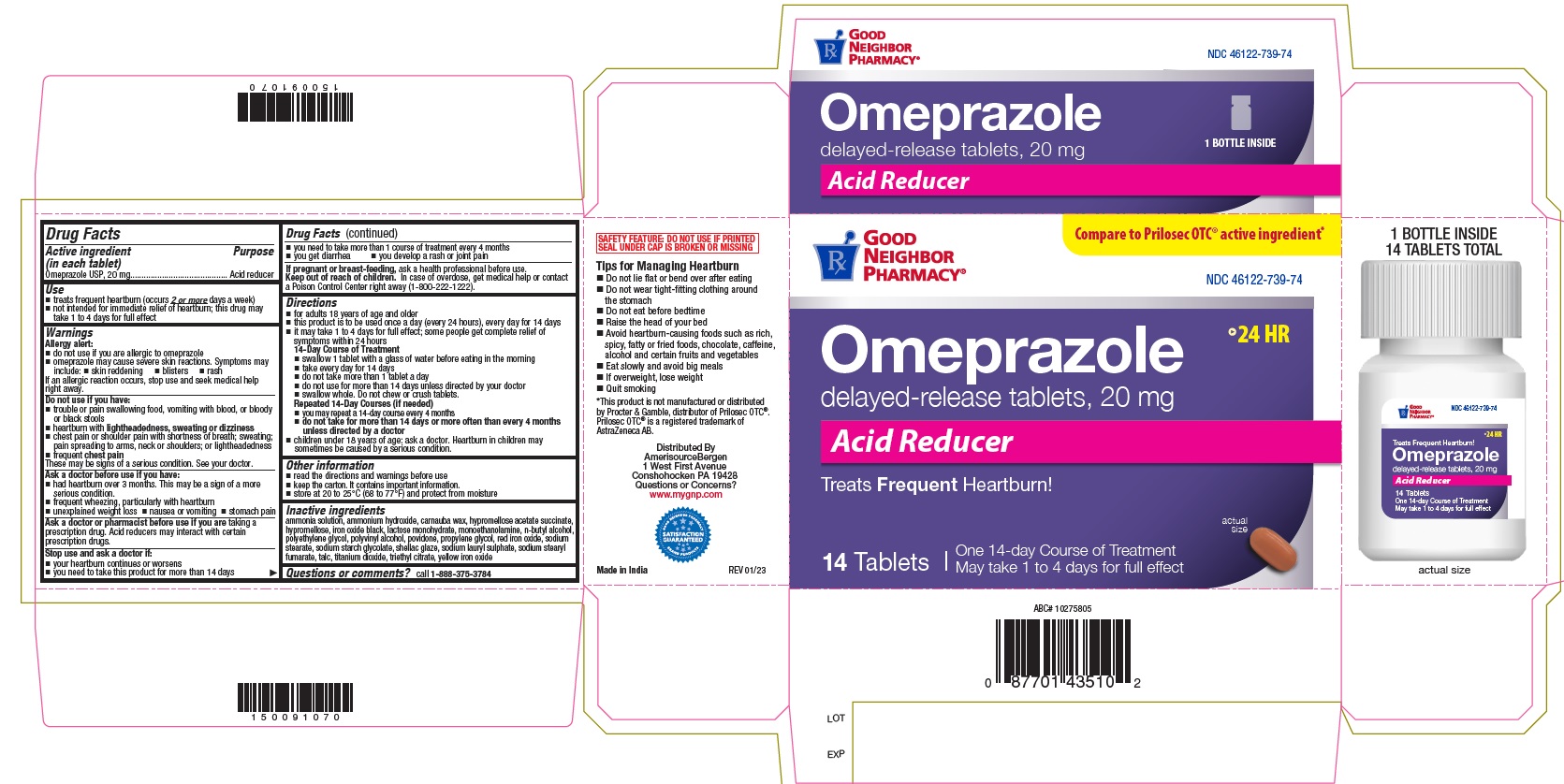
OMEPRAZOLE DR 20MG 1000 CAP
Generic: Omeprazole
OMEPRAZOLE DR 20MG 1000 CAP
Sign up to see pricing
Licensed pharmacies, clinics, doctor's offices, and veterinary practices get instant account approval
Sign Up — Instant ApprovalDrug Information
Identification
Omeprazole
Omeprazole
Xiromed, LLC
HUMAN PRESCRIPTION DRUG
Administration
CAPSULE, DELAYED RELEASE
ORAL
ANDA212977
Active Ingredients
| Ingredient | Strength |
|---|---|
| OMEPRAZOLE | 20 mg/1 |
Pharmacological Class
Data sourced from openFDA / DailyMed. For full prescribing information, consult the drug label.
Wholesale compliance resources
Drug Resources
Clinical Drug Information
Indications & Usage
1 INDICATIONS AND USAGE Omeprazole delayed-release capsules are a proton pump inhibitor (PPI) indicated for the: • Treatment of active duodenal ulcer in adults ( 1.1 ) • Eradication of Helicobacter pylori to reduce the risk of duodenal ulcer recurrence in adults ( 1.2 ) • Treatment of active benign gastric ulcer in adults ( 1.3 ) • Treatment of symptomatic gastroesophageal reflux disease (GERD) in patients 2 years of age and older ( 1.4 ) • Treatment of erosive esophagitis (EE) due to acid-mediated GERD in patients 2 years of age and older ( 1.5 ) • Maintenance of healing of EE due to acid-mediated GERD in patients 2 years of age and older ( 1.6 ) • Pathologic hypersecretory conditions in adults ( 1.7 ) 1.1 Treatment of Active Duodenal Ulcer Omeprazole delayed-release capsules are indicated for short-term treatment of active duodenal ulcer in adults. Most patients heal within four weeks. Some patients may require an additional four weeks of therapy. 1.2 Helicobacter pylori Eradication to Reduce the Risk of Duodenal Ulcer Recurrence Eradication of H. pylori has been shown to reduce the risk of duodenal ulcer recurrence. Triple Therapy Omeprazole delayed-release capsules in combination with clarithromycin and amoxicillin, are indicated for treatment of patients with H. pylori infection and duodenal ulcer disease (active or up to 1-year history) to eradicate H. pylori in adults. Dual Therapy Omeprazole delayed-release capsules in combination with clarithromycin are indicated for treatment of patients with H. pylori infection and duodenal ulcer disease to eradicate H. pylori in adults. Among patients who fail therapy, omeprazole delayed-release capsules with clarithromycin are more likely to be associated with the development of clarithromycin resistance as compared with triple therapy. In patients who fail therapy, susceptibility testing should be done. If resistance to clarithromycin is demonstrated or susceptibility testing is not possible, alternative antimicrobial therapy should be instituted [see Clinical Pharmacology ( 12.4 ) and the clarithromycin prescribing information, Microbiology section] . 1.3 Treatment of Active Benign Gastric Ulcer Omeprazole delayed-release capsules are indicated for short-term treatment (4 to 8 weeks) of active benign gastric ulcer in adults. 1.4 Treatment of Symptomatic Gastroesophageal Reflux Disease (GERD) Omeprazole delayed-release capsules are indicated for the treatment of heartburn and other symptoms associated with GERD for up to 4 weeks in patients 2 years of age and older. 1.5 Treatment of Erosive Esophagitis (EE) Due to Acid-Mediated GERD Pediatric Patients 2 years of Age to Adults Omeprazole delayed-release capsules are indicated for the short-term treatment (4 to 8 weeks) of EE due to acid-mediated GERD that has been diagnosed by endoscopy in patients 2 years of age and older. The efficacy of omeprazole delayed-release capsules are used for longer than 8 weeks in patients with EE has not been established. If a patient does not respond to 8 weeks of treatment, an additional 4 weeks of treatment may be given. If there is recurrence of EE or GERD symptoms (e.g., heartburn), additional 4 to 8 week courses of omeprazole delayed-release capsules may be considered. 1.6 Maintenance of Healing of EE Due to Acid-Mediated GERD Omeprazole delayed-release capsules are indicated for the maintenance healing of EE due to acid-mediated GERD in patients 2 years of age and older. Controlled studies do not extend beyond 12 months. 1.7 Pathological Hypersecretory Conditions Omeprazole delayed-release capsules are indicated for the long-term treatment of pathological hypersecretory conditions (e.g., Zollinger-Ellison syndrome, multiple endocrine adenomas and systemic mastocytosis) in adults.
Dosage & Administration
2 DOSAGE AND ADMINISTRATION Indication Recommended Adult ( 2.1 ) and Pediatric Dosage ( 2.2 ) Treatment of Active Duodenal Ulcer 20 mg once daily for 4 weeks; some patients may require an additional 4 weeks ( 2.1 ) H. pylori Eradication to Reduce the Risk of Duodenal Ulcer Recurrence Triple Therapy: Omeprazole 20 mg Each drug twice daily for 10 days ( 2.1 )* Amoxicillin 1000 mg Clarithromycin 500 mg Dual Therapy: Omeprazole 40 mg once daily for 14 days** Clarithromycin 500 mg three times daily for 14 days ( 2.1 ) Active Benign Gastric Ulcer 40 mg once daily for 4 to 8 weeks ( 2.1 ) Symptomatic GERD 20 mg once daily for up to 4 weeks ( 2.1 ) See full prescribing information for weight based dosing in pediatric patients 2 years of age and older ( 2.2 ) EE due to Acid-Mediated GERD 20 mg once daily for 4 to 8 weeks ( 2.1 ) *** See full prescribing information for weight based dosing in pediatric patients 2 years of age and older ( 2.2 ) Maintenance of Healing of EE due to Acid-Mediated GERD 20 mg once daily ( 2.1 ) **** See full prescribing information for weight based dosing in pediatric patients 2 years of age and older ( 2.2 ) Pathological Hypersecretory Conditions Starting dose is 60 mg once daily (varies with individual patient, see full prescribing information) as long as clinically indicated ( 2.1 ) *if ulcer present, continue omeprazole delayed-release capsules 20 mg once daily for an additional 18 days. **if ulcer present, continue omeprazole delayed-release capsules 20 mg once daily for an additional 14 days. ***an additional 4 weeks of treatment may be given if no response; if recurrence additional 4 to 8 week courses may be considered. ****studied for 12 months. Reduce the dosage to 10 mg once daily for patients with hepatic impairment (Child Pugh Class A, B, or C) and Asian patients ( 8.6 , 8.7 ) 2.1 Recommended Adult Dosage Regimen by Indication Table 1 shows the recommended dosage of omeprazole delayed-release capsules in adult patients by indication. Table 1 Recommended Dosage Regimen of Omeprazole Delayed-Release Capsules in Adults by Indication Indication Dosage of Omeprazole Delayed-Release Capsules Treatment Duration Treatment of Active Duodenal Ulcer 20 mg once daily 4 weeks* Helicobacter pylori Eradication to Reduce the Risk of Duodenal Ulcer Recurrence Triple Therapy Omeprazole 20 mg Amoxicillin 1000 mg Clarithromycin 500 mg Take all three drugs twice daily 10 days In patients with an ulcer present at the time of initiation of therapy, continue omeprazole 20 mg once daily for an additional 18 days for ulcer healing and symptom relief. Dual Therapy Omeprazole 40 mg once daily Clarithromycin 500 mg three times daily 14 days In patients with an ulcer present at the time of initiation of therapy, an additional 14 days of omeprazole 20 mg once daily is recommended for ulcer healing and symptom relief. Active Benign Gastric Ulcer 40 mg once daily 4 to 8 weeks Treatment of Symptomatic GERD 20 mg once daily Up to 4 weeks Treatment of EE due to Acid-Mediated GERD 20 mg once daily 4 to 8 weeks† Maintenance of Healing of EE due to Acid-Mediated GERD 20 mg once daily‡ Controlled studies do not extend beyond 12 months. Pathological Hypersecretory Conditions Starting dose is 60 mg once daily; adjust to patient needs Daily dosages of greater than 80 mg should be administered in divided doses. Dosages up to 120 mg three times daily have been administered. As long as clinically indicated. Some patients with Zollinger-Ellison syndrome have been treated continuously for more than 5 years. *Most patients heal within 4 weeks; some patients may require an additional 4 weeks of therapy to achieve healing. †The efficacy of omeprazole delayed-release capsules used for longer than 8 weeks in patients with EE has not been established. If a patient does not respond to 8 weeks of treatment, an additional 4 weeks of treatment may be given. If there is recurrence of EE or GERD symptoms (e.g., heartburn), additional 4 to 8 week courses of omeprazole delayed-release capsules may be considered. ‡Dosage reduction to 10 mg once daily is recommended for patients with hepatic impairment (Child-Pugh Class A, B or C) and Asian patients when used for the maintenance of healing of EE [see Use in Specific Populations ( 8.6 , 8.7 ) and Clinical Pharmacology ( 12.3 , 12.5 )]. 2.2 Recommended Pediatric Dosage Regimen by Indication Table 2 shows the recommended dosage of omeprazole delayed-release capsules in pediatric patients by indication. Table 2 Recommended Dosage Regimen of Omeprazole Delayed-release Capsules in Pediatric Patients by Indication Indication Omeprazole Delayed-Release Capsules Dosage Regimen and Duration Patient Age Weight-Based Dose (mg) Regimen and Duration Treatment of Symptomatic GERD 2 to 16 years 10 to less than 20 kg: 10 mg Once daily for up to 4 weeks 20 kg and greater: 20 mg Treatment of EE due to Acid-Mediated GERD 2 to 16 years 10 to less than 20 kg: 10 mg Once daily for 4 to 8 weeks* 20 kg and greater: 20 mg Maintenance of Healing of EE due to Acid-Mediated GERD 2 to 16 years 10 to less than 20 kg: 10 mg Once daily. Controlled studies do not extend beyond 12 months 20 kg and greater: 20 mg *The efficacy of omeprazole delayed-release capsules used for longer than 8 weeks in patients with EE has not been established. If a patient does not respond to 8 weeks of treatment, an additional 4 weeks of treatment may be given. If there is recurrence of EE or GERD symptoms (e.g., heartburn), additional 4 to 8 week courses of omeprazole delayed-release capsules may be considered. 2.3 Administration Instructions • Take omeprazole delayed-release capsules before meals. • Antacids may be used concomitantly with omeprazole delayed-release capsules. • Missed doses: If a dose is missed, administer as soon as possible. However, if the next scheduled dose is due, do not take the missed dose, and take the next dose on time. Do not take two doses at one time to make up for a missed dose. Omeprazole Delayed-Release Capsules • Swallow omeprazole delayed-release capsules whole; do not chew. • For patients unable to swallow an intact capsule, omeprazole delayed-release capsules can be opened and administered as follows: 1. Place one tablespoon of applesauce into a clean container (e.g., empty bowl). The applesauce used should not be hot and should be soft enough to be swallowed without chewing. 2. Open the capsule. 3. Carefully empty all of the pellets inside the capsule on the applesauce. 4. Mix the pellets with the applesauce. 5. Swallow applesauce and pellets immediately with a glass of cool water to ensure complete swallowing of the pellets. Do not chew or crush the pellets. Do not save the applesauce and pellets for future use.
Adverse Reactions
6 ADVERSE REACTIONS The following serious adverse reactions are described below and elsewhere in labeling: • Acute Tubulointerstitial Nephritis [ see Warnings and Precautions ( 5.2 )] • Clostridium difficile -Associated Diarrhea [see Warnings and Precautions ( 5.3 )] • Bone Fracture [see Warnings and Precautions ( 5.4 )] • Cutaneous and Systemic Lupus Erythematosus [see Warnings and Precautions ( 5.6 )] • Cyanocobalamin (Vitamin B-12) Deficiency [see Warnings and Precautions ( 5.8 )] • Hypomagnesemia [see Warnings and Precautions ( 5.9 )] • Fundic Gland Polyps [see Warnings and Precautions ( 5.13 )] Adults: Most common adverse reactions in adults (incidence ≥2%) are: • Headache, abdominal pain, nausea, diarrhea, vomiting, and flatulence. ( 6 ) Pediatric patients (2 to 16 years of age): • Safety profile similar to that in adults, except that respiratory system events and fever were the most frequently reported reactions in pediatric studies. ( 8.4 ) To report SUSPECTED ADVERSE REACTIONS, contact Xiromed, LLC. at 1-844-XIROMED (1-844-947-6633) or FDA at 1-800-FDA-1088 or www.fda.gov/medwatch 6.1 Clinical Trials Experience with Omeprazole Monotherapy Because clinical trials are conducted under widely varying conditions, adverse reaction rates observed in the clinical trials of a drug cannot be directly compared to rates in the clinical trials of another drug and may not reflect the rates observed in practice. The safety data described below reflects exposure to omeprazole delayed-release capsules in 3,096 patients from worldwide clinical trials (465 patients from US studies and 2,631 patients from international studies). Indications clinically studied in US trials included duodenal ulcer, resistant ulcer, and Zollinger-Ellison syndrome. The international clinical trials were double blind and open-label in design. The most common adverse reactions reported (i.e., with an incidence rate ≥2%) from omeprazole-treated patients enrolled in these studies included headache (7%), abdominal pain (5%), nausea (4%), diarrhea (4%), vomiting (3%), and flatulence (3%). Additional adverse reactions that were reported with an incidence ≥1% included acid regurgitation (2%), upper respiratory infection (2%), constipation (2%), dizziness (2%), rash (2%), asthenia (1%), back pain (1%), and cough (1%). The clinical trial safety profile in patients greater than 65 years of age was similar to that in patients 65 years of age or less. The clinical trial safety profile in pediatric patients who received omeprazole delayed-release capsules was similar to that in adult patients. Unique to the pediatric population, however, adverse reactions of the respiratory system were frequently reported in the 2 to 16 year age group, and accidental injuries were frequently reported in the 2 to 16 year age group (4%) [see Use in Specific Populations ( 8.4 ) ]. 6.2 Clinical Trials Experience with Omeprazole in Combination Therapy for H. pylori Eradication In clinical trials using either dual therapy with omeprazole and clarithromycin, or triple therapy with omeprazole, clarithromycin, and amoxicillin, no adverse reactions unique to these drug combinations were observed. Adverse reactions observed were limited to those previously reported with omeprazole, clarithromycin, or amoxicillin alone. Dual Therapy (omeprazole/clarithromycin) Adverse reactions observed in controlled clinical trials using combination therapy with omeprazole and clarithromycin (n=346) that differed from those previously described for omeprazole alone were taste perversion (15%), tongue discoloration (2%), rhinitis (2%), pharyngitis (1%) and flu-syndrome (1%). (For more information on clarithromycin, refer to the clarithromycin prescribing information, Adverse Reactions section). Triple Therapy (omeprazole/clarithromycin/amoxicillin) The most frequent adverse reactions observed in clinical trials using combination therapy with omeprazole, clarithromycin, and amoxicillin (n=274) were diarrhea (14%), taste perversion (10%), and headache (7%). None of these occurred at a higher frequency than that reported by patients taking antimicrobial agents alone. (For more information on clarithromycin or amoxicillin, refer to the respective prescribing information, Adverse Reactions sections). 6.3 Postmarketing Experience The following adverse reactions have been identified during post-approval use of omeprazole delayed-release capsules. Because these reactions are voluntarily reported from a population of uncertain size, it is not always possible to reliably estimate their actual frequency or establish a causal relationship to drug exposure. Body As a Whole Hypersensitivity reactions including anaphylaxis, anaphylactic shock, angioedema, bronchospasm, interstitial nephritis, urticaria, (see also Skin below); fever; pain; fatigue; malaise; systemic lupus erythematosus Cardiovascular Chest pain or angina, tachycardia, bradycardia, palpitations, elevated blood pressure, peripheral edema Endocrine Gynecomastia Gastrointestinal Pancreatitis (some fatal), anorexia, irritable colon, fecal discoloration, esophageal candidiasis, mucosal atrophy of the tongue, stomatitis, abdominal swelling, dry mouth, microscopic colitis, fundic gland polyps. Gastroduodenal carcinoids have been reported in patients with ZE syndrome on long-term treatment with omeprazole. This finding is believed to be a manifestation of the underlying condition, which is known to be associated with such tumors. Hepatic Liver disease including hepatic failure (some fatal), liver necrosis (some fatal), hepatic encephalopathy hepatocellular disease, cholestatic disease, mixed hepatitis, jaundice, and elevations of liver function tests [ALT, AST, GGT, alkaline phosphatase, and bilirubin] Infections and Infestations Clostridium difficile- associated diarrhea Metabolism and Nutritional Disorders Hypoglycemia, hypomagnesemia, with or without hypocalcemia and/or hypokalemia [ see Warnings and Precautions ( 5.8 )], hyponatremia, weight gain Musculoskeletal Muscle weakness, myalgia, muscle cramps, joint pain, leg pain, bone fracture Nervous System/Psychiatric Psychiatric and sleep disturbances including depression, agitation, aggression, hallucinations, confusion, insomnia, nervousness, apathy, somnolence, anxiety, and dream abnormalities; tremors, paresthesia; vertigo Respiratory Epistaxis, pharyngeal pain Skin Severe generalized skin reactions including toxic epidermal necrolysis (some fatal), Stevens-Johnson syndrome, cutaneous lupus erythematosus and erythema multiforme; photosensitivity; urticaria; rash; skin inflammation; pruritus; petechiae; purpura; alopecia; dry skin; hyperhidrosis Special Senses Tinnitus, taste perversion Ocular Optic atrophy, anterior ischemic optic neuropathy, optic neuritis, dry eye syndrome, ocular irritation, blurred vision, double vision Urogenital Interstitial nephritis, hematuria, proteinuria, elevated serum creatinine, microscopic pyuria, urinary tract infection, glycosuria, urinary frequency, testicular pain , erectile dysfunction Hematologic Agranulocytosis (some fatal), hemolytic anemia, pancytopenia, neutropenia, anemia, thrombocytopenia, leukopenia, leukocytosis
Information for Patients
17 PATIENT COUNSELING INFORMATION Advise the patient to read the FDA-approved patient labeling (Medication Guide and Instructions for Use). Adverse Reactions Advise patients to report to their healthcare provider if they experience any signs or symptoms consistent with: • Hypersensitivity reactions [see Contraindications ( 4 )]. • Acute Tubulointerstitial Nephritis [see Warnings and Precautions ( 5.2 )]. • Clostridium difficile -Associated Diarrhea [see Warnings and Precautions ( 5.3 )]. • Bone Fracture [see Warnings and Precautions ( 5.4 )]. • Cutaneous and Systemic Lupus Erythematosus [see Warnings and Precautions ( 5.6 )]. • Cyanocobalamin (Vitamin B-12) Deficiency [see Warnings and Precautions ( 5.8 )]. • Hypomagnesemia [see Warnings and Precautions ( 5.8 )]. Drug Interactions Advise patients to report to their healthcare provider if they start treatment with clopidogrel, St. John’s Wort or rifampin; or, if they take high-dose methotrexate [see Warnings and Precautions ( 5.7 , 5.10 , 5.12 )]. Administration • Take omeprazole delayed-release capsules before meals. • Antacids may be used concomitantly with omeprazole delayed-release capsules. • Missed doses: If a dose is missed, administer as soon as possible. However, if the next scheduled dose is due, do not take the missed dose, and take the next dose on time. Do not take two doses at one time to make up for a missed dose. • Swallow omeprazole delayed-release capsules whole; do not chew. • For patients unable to swallow an intact capsule, omeprazole delayed-release capsules can be opened and administered in applesauce, as described in the Medication Guide.
Clinical data sourced from openFDA drug labeling. For complete prescribing information, consult the full drug label.