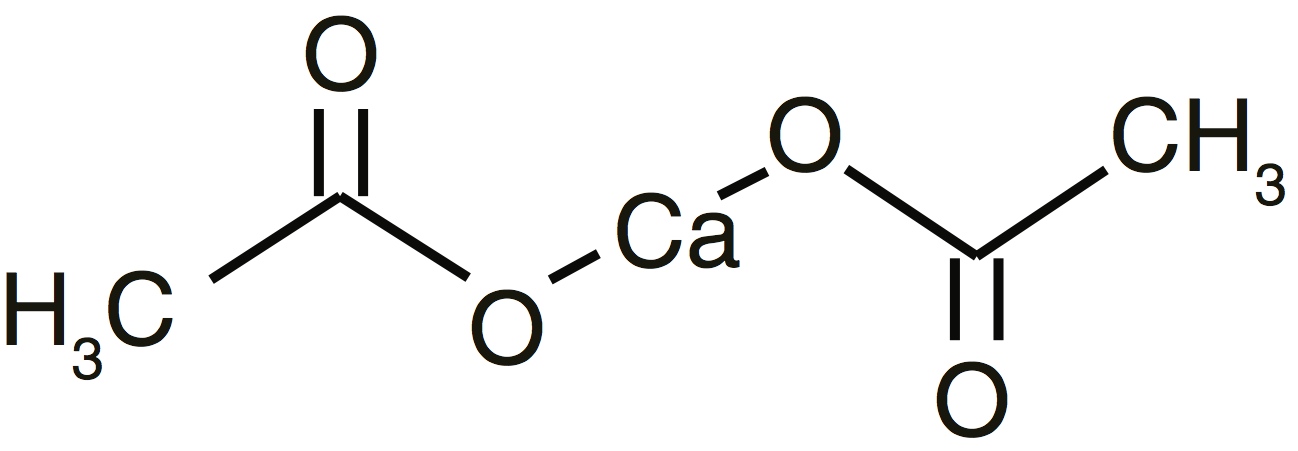
CALCIUM ACETATE 667MG 200CAPSULES
Generic: Calcium Acetate
CALCIUM ACETATE 667MG 200CAPSULES
Sign up to see pricing
Licensed pharmacies, clinics, doctor's offices, and veterinary practices get instant account approval
Sign Up — Instant ApprovalDrug Information
Identification
Calcium Acetate
Calcium Acetate
Chartwell RX, LLC.
HUMAN PRESCRIPTION DRUG
Administration
CAPSULE
ORAL
ANDA091312
Active Ingredients
| Ingredient | Strength |
|---|---|
| CALCIUM ACETATE | 667 mg/1 |
Pharmacological Class
Data sourced from openFDA / DailyMed. For full prescribing information, consult the drug label.
Wholesale compliance resources
Drug Resources
Clinical Drug Information
Indications & Usage
1 INDICATIONS AND USAGE Calcium acetate is a phosphate binder indicated to reduce serum phosphorus in patients with end stage renal disease (ESRD). Calcium acetate is a phosphate binder indicated for the reduction of serum phosphorus in patients with end stage renal disease. ( 1 )
Dosage & Administration
2 DOSAGE AND ADMINISTRATION The recommended initial dose of calcium acetate for the adult dialysis patient is 2 capsules with each meal. Increase the dose gradually to lower serum phosphorus levels to the target range, as long as hypercalcemia does not develop. Most patients require 3 to 4 capsules with each meal. Starting dose is 2 capsules with each meal. ( 2 ) Titrate the dose every 2 to 3 weeks until acceptable serum phosphorus level is reached. Most patients require 3 to 4 capsules with each meal. ( 2 )
Adverse Reactions
6 ADVERSE REACTIONS Hypercalcemia is discussed elsewhere [see WARNINGS AND PRECAUTIONS (5.1) ] The most common (> 10%) adverse reactions are hypercalcemia, nausea and vomiting. ( 6.1 ) In clinical studies, patients have occasionally experienced nausea during calcium acetate therapy. ( 6 ) To report SUSPECTED ADVERSE REACTIONS, contact Chartwell RX, LLC. at 845-232-1683 or FDA at 1-800-FDA-1088 or www.fda.gov/medwatch. 6.1 Clinical Trial Experience Because clinical trials are conducted under widely varying conditions, adverse reaction rates observed in the clinical trials of a drug cannot be directly compared to rates in the clinical trials of another drug and may not reflect the rates observed in practice. In clinical studies, calcium acetate has been generally well tolerated. Calcium acetate was studied in a 3-month, open-label, non-randomized study of 98 enrolled ESRD hemodialysis patients and an alternate liquid formulation of calcium acetate was studied in a two week double-blind, placebo-controlled, cross-over study with 69 enrolled ESRD hemodialysis patients. Adverse reactions (> 2% on treatment) from these trials are presented in Table 1. Table 1: Adverse Reactions in Patients with End-Stage Renal Disease Undergoing Hemodialysis Preferred Term Total adverse reactions reported for calcium acetate n=167 n (%) 3-mo, open-label study of calcium acetate n=98 n (%) Double-blind, placebo-controlled, cross-over study of calcium acetate n=69 Calcium acetate n (%) Placebo n (%) Nausea 6 (3.6) 6 (6.1) 0 (0.0) 0 (0.0) Vomiting 4 (2.4) 4 (4.1) 0 (0.0) 0 (0.0) Hypercalcemia 21 (12.6) 16 (16.3) 5 (7.2) 0 (0.0) Mild hypercalcemia may be asymptomatic or manifest itself as constipation, anorexia, nausea, and vomiting. More severe hypercalcemia is associated with confusion, delirium, stupor, and coma. Decreasing dialysate calcium concentration could reduce the incidence and severity of calcium acetate - induced hypercalcemia. Isolated cases pruritus have been reported, which may represent allergic reactions. 6.2 Postmarketing Experience Because these reactions are reported voluntarily from a population of uncertain size, it is not always possible to estimate their frequency or to establish a causal relationship to drug exposure. The following additional adverse reactions have been identified during post-approval of calcium acetate: dizziness, edema, and weakness.
Information for Patients
17 PATIENT COUNSELING INFORMATION Inform patients to take calcium acetate capsules with meals, adhere to their prescribed diets, and avoid the use of calcium supplements including nonprescription antacids. Inform the patients about the symptoms of hypercalcemia [see WARNINGS AND PRECAUTIONS (5.1) and ADVERSE REACTIONS (6.1) ] . Advise patients who are taking an oral medication where reduction in the bioavailability of that medication would have clinically significant effect on its safety or efficacy to take the drug one hour before or three hours after calcium acetate capsules.
Clinical data sourced from openFDA drug labeling. For complete prescribing information, consult the full drug label.