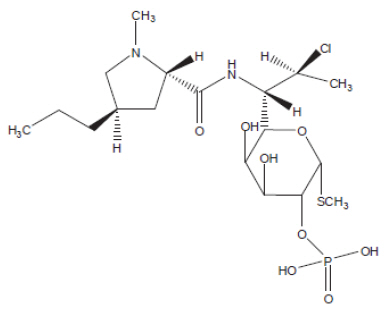
CLINDAMYCIN PHOSPHATE + BENZOYL PEROXIDE GEL €“ TOPICAL 1.2%/5% 45 G
Generic: Clindamycin Phosphate and Benzoyl Peroxide
CLINDAMYCIN PHOSPHATE + BENZOYL PEROXIDE GEL €“ TOPICAL 1.2%/5% 45 G
Sign up to see pricing
Licensed pharmacies, clinics, doctor's offices, and veterinary practices get instant account approval
Sign Up — Instant ApprovalDrug Information
Identification
Clindamycin Phosphate and Benzoyl Peroxide
Clindamycin Phosphate and Benzoyl Peroxide
Sun Pharmaceutical Industries, Inc.
HUMAN PRESCRIPTION DRUG
Administration
GEL
TOPICAL
ANDA206218
Active Ingredients
| Ingredient | Strength |
|---|---|
| BENZOYL PEROXIDE | 50 mg/g |
| CLINDAMYCIN PHOSPHATE | 10 mg/g |
Pharmacological Class
Data sourced from openFDA / DailyMed. For full prescribing information, consult the drug label.
Wholesale compliance resources
Clinical Drug Information
Indications & Usage
1 INDICATIONS AND USAGE Clindamycin phosphate and benzoyl peroxide gel is a combination of clindamycin phosphate (a lincosamide antibacterial) and benzoyl peroxide indicated for the topical treatment of inflammatory acne vulgaris. ( 1.1 ) Limitation of Use: Clindamycin phosphate and benzoyl peroxide gel has not been demonstrated to have any additional benefit when compared with benzoyl peroxide alone in the same vehicle when used for the treatment of non-inflammatory acne. ( 1.2 ) 1.1 Indication Clindamycin phosphate and benzoyl peroxide gel, 1.2%/5% is indicated for the topical treatment of inflammatory acne vulgaris in patients 12 years and older. 1.2 Limitations of Use Clindamycin phosphate and benzoyl peroxide gel has not been demonstrated to have any additional benefit when compared with benzoyl peroxide alone in the same vehicle when used for the treatment of non-inflammatory acne.
Dosage & Administration
2 DOSAGE AND ADMINISTRATION Apply a thin layer of clindamycin phosphate and benzoyl peroxide gel to the face once daily, in the evening or as directed by the physician. The skin should be gently washed, rinsed with warm water, and patted dry before applying clindamycin phosphate and benzoyl peroxide gel. Avoid the eyes, mouth, lips, mucous membranes, or areas of broken skin. Clindamycin phosphate and benzoyl peroxide gel is not for oral, ophthalmic, or intravaginal use. Apply a thin layer of clindamycin phosphate and benzoyl peroxide gel to the face once daily, in the evening. ( 2 ) Not for oral, ophthalmic, or intravaginal use. ( 2 )
Adverse Reactions
6 ADVERSE REACTIONS The following adverse reaction is described in more detail in the Warnings and Precautions section of the label: Colitis [see Warnings and Precautions (5.1) ] . The most common local adverse reactions (≥5%) are erythema, peeling, dryness, and burning. ( 6.1 ) To report SUSPECTED ADVERSE REACTIONS, contact Taro Pharmaceuticals U.S.A., Inc. at 1-866-923-4914 or FDA at 1-800-FDA-1088 or www.fda.gov/medwatch. 6.1 Clinical Trials Experience Because clinical trials are conducted under widely varying conditions, adverse reaction rates observed in the clinical trials of a drug cannot be directly compared with rates in the clinical trials of another drug and may not reflect the rates observed in practice. During clinical trials, 397 subjects used clindamycin phosphate and benzoyl peroxide gel once daily for 11 weeks for the treatment of moderate to moderately severe facial acne vulgaris. All subjects were graded for facial local skin reactions (erythema, peeling, burning, and dryness) on the following scale: 0 = absent, 1 = mild, 2 = moderate and 3 = severe. The percentage of subjects that had symptoms present before treatment (at baseline) and during treatment are presented in Table 1. Table 1: Local Skin Reactions with Use of Clindamycin Phosphate and Benzoyl Peroxide Gel Combined Results from Five Trials (n = 397) Symptoms % of Subjects Using Clindamycin Phosphate and Benzoyl Peroxide Gel with Symptom Present Before Treatment (Baseline) During Treatment Mild Moderate Severe Mild Moderate Severe (Percentages derived by number of subjects receiving clindamycin phosphate and benzoyl peroxide with symptom score/number of enrolled subjects receiving clindamycin phosphate and benzoyl peroxide gel). Erythema 28% 3% 0 26% 5% 0 Peeling 6% <1% 0 17% 2% 0 Burning 3% <1% 0 5% <1% 0 Dryness 6% <1% 0 15% 1% 0 6.2 Postmarketing Experience The following adverse reactions have been identified during postapproval use of clindamycin phosphate and benzoyl peroxide gel. Because these reactions are reported voluntarily from a population of uncertain size, it is not always possible to reliably estimate their frequency or establish a causal relationship to drug exposure. Anaphylaxis, as well as allergic reactions leading to hospitalization, has been reported in postmarketing use with clindamycin phosphate and benzoyl peroxide gel. Urticaria, application site reactions, including discoloration have been reported.
Information for Patients
17 PATIENT COUNSELING INFORMATION See FDA-approved patient labeling (Patient Information) . Patients who develop allergic reactions such as severe swelling or shortness of breath should discontinue use and contact their physician immediately. Clindamycin phosphate and benzoyl peroxide gel may cause irritation such as erythema, scaling, itching, or burning, especially when used in combination with other topical acne therapies. Excessive or prolonged exposure to sunlight should be limited. To minimize exposure to sunlight, a hat or other clothing should be worn. Sunscreen may also be used. Clindamycin phosphate and benzoyl peroxide gel may bleach hair or colored fabric. Clindamycin phosphate and benzoyl peroxide gel may cause skin and facial hair to temporarily change color (yellow/orange) when used with topical sulfone products.
Clinical data sourced from openFDA drug labeling. For complete prescribing information, consult the full drug label.