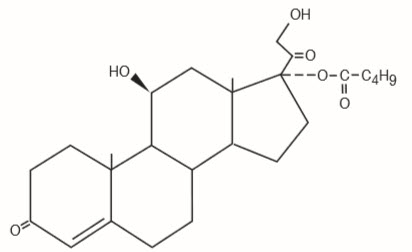
HYDROCORTISONE VALERATE CREAM USP, 0.002 15 G
Generic: Hydrocortisone Valerate
HYDROCORTISONE VALERATE CREAM USP, 0.002 15 G
Sign up to see pricing
Licensed pharmacies, clinics, doctor's offices, and veterinary practices get instant account approval
Sign Up — Instant ApprovalDrug Information
Identification
Hydrocortisone Valerate
Hydrocortisone Valerate
Sun Pharmaceutical Industries, Inc.
HUMAN PRESCRIPTION DRUG
Administration
CREAM
TOPICAL
ANDA075042
Active Ingredients
| Ingredient | Strength |
|---|---|
| HYDROCORTISONE VALERATE | 2 mg/g |
Pharmacological Class
Data sourced from openFDA / DailyMed. For full prescribing information, consult the drug label.
Wholesale compliance resources
Clinical Drug Information
Indications & Usage
INDICATIONS AND USAGE Hydrocortisone valerate cream, 0.2% and hydrocortisone valerate ointment, 0.2% are medium potency corticosteroids indicated for the relief of the inflammatory and pruritic manifestations of corticosteroid responsive dermatoses in adult patients.
Dosage & Administration
DOSAGE AND ADMINISTRATION Hydrocortisone valerate cream USP, 0.2% or hydrocortisone valerate ointment USP, 0.2% should be applied to the affected area as a thin film two or three times daily depending on the severity of the condition. As with other corticosteroids, therapy should be discontinued when control is achieved. If no improvement is seen within 2 weeks, reassessment of the diagnosis may be necessary. Hydrocortisone valerate cream USP, 0.2% or hydrocortisone valerate ointment USP, 0.2% should not be used with occlusive dressings unless directed by a physician. Hydrocortisone valerate cream USP, 0.2% or hydrocortisone valerate ointment USP, 0.2% should not be applied in the diaper area if the patient requires diapers or plastic pants as these garments may constitute occlusive dressing.
Adverse Reactions
ADVERSE REACTIONS Hydrocortisone Valerate Cream, 0.2% The following local adverse reactions have been reported with topical corticosteroids, and they may occur more frequently with the use of occlusive dressings. These reactions are listed in an approximate decreasing order of occurrence: burning, itching, irritation, dryness, folliculitis, hypertrichosis, acneiform eruptions, hypopigmentation, perioral dermatitis, allergic contact dermatitis, maceration of the skin, secondary infection, skin atrophy, striae, and miliaria. In controlled clinical studies involving pediatric patients one month to 2 years of age (n=29), the incidence of adverse experiences, regardless of relationship to the use of hydrocortisone valerate cream, 0.2%, was approximately 21%. Reported reactions included stinging (10%), eczema (7%), fungal infection (3%), and gastrointestinal disorder (3%). In controlled clinical studies involving pediatric patients 2 to 12 years of age (n=153), the incidence of adverse experiences, regardless of relationship to the use of hydrocortisone valerate cream, 0.2%, was approximately 10%. Reported reactions included stinging (3%), burning skin (2%), infection (Body as a Whole) (2%). Skin irritation, eczema, pruritus, application site reaction, rash, rash maculopapular, and dry skin were all reported at incidences of approximately 1%. Hydrocortisone Valerate Ointment, 0.2% In controlled clinical trials, the total incidence of adverse reactions associated with the use of hydrocortisone valerate ointment, 0.2% was approximately 12%. These included worsening of condition (2%), transient itching (2%), irritation (1%) and redness (1%). In controlled clinical studies involving pediatric atopic dermatitis patients 2 through 12 years of age (n=64), the incidence of adverse experiences was approximately 28.1%, which is higher than that seen in adult patients. Reported reactions included eczema (12.5%), pruritis (6%), stinging (2%), and dry skin (2%). Patients were not specifically evaluated for signs of atrophy (thinning, telangiectasia, erythema). No studies were performed to assess adrenal suppression and/or growth suppression. The following additional local adverse reactions have been reported with topical corticosteroids, and they may occur more frequently with the use of occlusive dressings. These reactions are listed in an approximate decreasing order of occurrence: burning, dryness, folliculitis, acneiform eruptions, hypopigmentation, perioral dermatitis, allergic contact dermatitis, secondary infection, skin atrophy, striae, and miliaria.
Information for Patients
Information for Patients Patients using topical corticosteroids should receive the following information and instructions: This medication is to be used as directed by the physician. It is for external use only. Avoid contact with the eyes. This medication should not be used for any disorder other than that for which it was prescribed. The treated skin area should not be bandaged, otherwise covered or wrapped, so as to be occlusive unless directed by the physician. Patients should report to their physician any signs of local adverse reactions. Hydrocortisone valerate cream, 0.2% or hydrocortisone valerate ointment, 0.2% should not be applied in the diaper areas as diapers or plastic pants may constitute occlusive dressings (see DOSAGE AND ADMINISTRATION ). This medication should not be used on the face, underarms, or groin areas unless directed by the physician. As with other corticosteroids, therapy should be discontinued when control is achieved. If no improvement is seen within 2 weeks, contact the physician.
Clinical data sourced from openFDA drug labeling. For complete prescribing information, consult the full drug label.