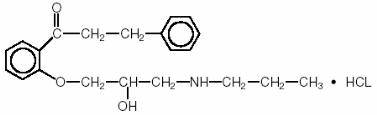
PROPAFENONE HCL ER 425MG 60 CAP
Generic: propafenone hydrochloride
PROPAFENONE HCL ER 425MG 60 CAP
Sign up to see pricing
Licensed pharmacies, clinics, doctor's offices, and veterinary practices get instant account approval
Sign Up — Instant ApprovalDrug Information
Identification
propafenone hydrochloride
propafenone hydrochloride
Northstar Rx LLC
HUMAN PRESCRIPTION DRUG
Administration
CAPSULE, EXTENDED RELEASE
ORAL
ANDA205268
Active Ingredients
| Ingredient | Strength |
|---|---|
| PROPAFENONE HYDROCHLORIDE | 425 mg/1 |
Pharmacological Class
Data sourced from openFDA / DailyMed. For full prescribing information, consult the drug label.
Wholesale compliance resources
Clinical Drug Information
Indications & Usage
1 INDICATIONS AND USAGE Propafenone hydrochloride extended-release capsules are indicated to prolong the time to recurrence of symptomatic atrial fibrillation (AF) in patients with episodic (most likely paroxysmal or persistent) AF who do not have structural heart disease. Usage Considerations: • The use of propafenone hydrochloride extended-release capsules in patients with permanent AF or in patients exclusively with atrial flutter or paroxysmal supraventricular tachycardia (PSVT) has not been evaluated. Do not use propafenone hydrochloride extended-release capsules to control ventricular rate during AF. • Some patients with atrial flutter treated with propafenone have developed 1:1 conduction, producing an increase in ventricular rate. Concomitant treatment with drugs that increase the functional atrioventricular (AV) nodal refractory period is recommended. • The effect of propafenone on mortality has not been determined [see Boxed Warning ] . Propafenone hydrochloride extended-release capsules are an antiarrhythmic indicated to prolong the time to recurrence of symptomatic atrial fibrillation (AF) in patients with episodic (most likely paroxysmal or persistent) AF who do not have structural heart disease. ( 1 ) Usage Considerations: • Use in patients with permanent atrial fibrillation or with atrial flutter or paroxysmal supraventricular tachycardia (PSVT) has not been evaluated. Do not use to control ventricular rate during atrial fibrillation. ( 1 ) • In patients with atrial fibrillation and atrial flutter, use propafenone hydrochloride extended-release capsules with drugs that increase the atrioventricular nodal refractory period. ( 1 ) • The effect of propafenone on mortality has not been determined. ( 1 )
Dosage & Administration
2 DOSAGE AND ADMINISTRATION Propafenone hydrochloride extended-release capsules can be taken with or without food. Do not crush or further divide the contents of the capsule. The dose of propafenone hydrochloride extended-release capsules must be individually titrated on the basis of response and tolerance. Initiate therapy with propafenone hydrochloride extended-release capsules 225 mg given every 12 hours. Dosage may be increased at a minimum of 5-day intervals to 325 mg given every 12 hours. If additional therapeutic effect is needed, the dose of propafenone hydrochloride extended-release capsules may be increased to 425 mg given every 12 hours. In patients with hepatic impairment or those with significant widening of the QRS complex or second- or third-degree AV block, consider reducing the dose. The combination of cytochrome P450 3A4 (CYP3A4) inhibition and either cytochrome P450 2D6 (CYP2D6) deficiency or CYP2D6 inhibition with the simultaneous administration of propafenone may significantly increase the concentration of propafenone and thereby increase the risk of proarrhythmia and other adverse events. Therefore, avoid simultaneous use of propafenone hydrochloride extended-release capsules with both a CYP2D6 inhibitor and a CYP3A4 inhibitor [see Warnings and Precautions ( 5.4 ), Drug Interactions ( 7.1 )]. • Initiate therapy with 225 mg given every 12 hours. ( 2 ) • Dosage may be increased at a minimum of 5-day intervals to 325 mg every 12 hours and, if necessary, to 425 mg every 12 hours, if necessary, to 425 mg every 12 hours. ( 2 ) • Consider reducing the dose in patients with hepatic impairment, significant widening of the QRS complex, or second- or third-degree AV block. ( 2 )
Adverse Reactions
6 ADVERSE REACTIONS The most commonly reported adverse events with propafenone (greater than 5% and greater than placebo) excluding those not reasonably associated with the use of the drug included the following: dizziness, palpitations, chest pain, dyspnea, taste disturbance, nausea, fatigue, anxiety, constipation, upper respiratory tract infection, edema, and influenza. ( 6.1 ) To report SUSPECTED ADVERSE REACTIONS, contact NorthStar RxLLC at 1-800-206-7821 or FDA at 1-800-FDA-1088 or www.fda.gov/medwatch. 6.1 Clinical Trials Experience Because clinical trials are conducted under widely varying conditions, adverse reaction rates observed in the clinical trials of a drug cannot be directly compared with rates in the clinical trials of another drug and may not reflect the rates observed in practice. The data described below reflect exposure to propafenone hydrochloride extended-release capsules 225 mg twice daily in 126 patients, to propafenone hydrochloride extended-release capsules 325 mg twice daily in 135 patients, to propafenone hydrochloride extended-release capsules 425 mg twice daily in 136 patients, and to placebo in 126 patients for up to 39 weeks (mean: 20 weeks) in a placebo-controlled trial (RAFT) conducted in the U.S. The most commonly reported adverse events with propafenone (greater than 5% and greater than placebo), excluding those not reasonably associated with the use of the drug or because they were associated with the condition being treated, were dizziness, palpitations, chest pain, dyspnea, taste disturbance, nausea, fatigue, anxiety, constipation, upper respiratory tract infection, edema, and influenza. The frequency of discontinuation due to adverse events was 17%, and the rate was highest during the first 14 days of treatment. Cardiac-related adverse events occurring in greater than or equal to 2% of the patients in any of the RAFT propafenone extended-release treatment groups and more common with propafenone than with placebo, excluding those that are common in the population and those not plausibly related to drug therapy, included the following: angina pectoris, atrial flutter, AV block first-degree, bradycardia, congestive cardiac failure, cardiac murmur, edema, dyspnea, rales, wheezing, and cardioactive drug level above therapeutic. Propafenone prolongs the PR and QRS intervals in patients with atrial and ventricular arrhythmias. Prolongation of the QRS interval makes it difficult to interpret the effect of propafenone on the QT interval [see Clinical Pharmacology ( 12.2 )] . Non-cardiac related adverse events occurring in greater than or equal to 2% of the patients in any of the RAFT propafenone extended-release treatment groups and more common with propafenone than with placebo, excluding those that are common in the population and those not plausibly related to drug therapy, included the following: blurred vision, constipation, diarrhea, dry mouth, flatulence, nausea, vomiting, fatigue, weakness, upper respiratory tract infection, blood alkaline phosphatase increased, hematuria, muscle weakness, dizziness (excluding vertigo), headache, taste disturbance, tremor, somnolence, anxiety, depression, ecchymosis. No clinically important differences in incidence of adverse reactions were noted by age or gender. Too few non-Caucasian patients were enrolled to assess adverse events according to race. Adverse events occurring in 2% or more of the patients in any of the ERAFT [see Clinical Studies ( 14 )] propafenone extended-release treatment groups and not listed above include the following: bundle branch block left, bundle branch block right, conduction disorders, sinus bradycardia, and hypotension. Other adverse events reported with propafenone clinical trials not already listed elsewhere in the prescribing information include the following adverse events by body and preferred term. Blood and Lymphatic System Anemia, lymphadenopathy, spleen disorder, thrombocytopenia. Cardiac Unstable angina, atrial hypertrophy, cardiac arrest, coronary artery disease, extrasystoles, myocardial infarction, nodal arrhythmia, palpitations, pericarditis, sinoatrial block, sinus arrest, sinus arrhythmia, supraventricular extrasystoles, ventricular extrasystoles, ventricular hypertrophy. Ear and Labyrinth Hearing impaired, tinnitus, vertigo. Eye Eye hemorrhage, eye inflammation, eyelid ptosis, miosis, retinal disorder, visual acuity reduced. Gastrointestinal Abdominal distension, abdominal pain, duodenitis, dyspepsia, dysphagia, eructation, gastritis, gastroesophageal reflux disease, gingival bleeding, glossitis, glossodynia, gum pain, halitosis, intestinal obstruction, melena, mouth ulceration, pancreatitis, peptic ulcer, rectal bleeding, sore throat. General Disorders and Administration Site Conditions Chest pain, feeling hot, hemorrhage, malaise, pain, pyrexia. Hepatobiliary Hepatomegaly. Investigations Abnormal heart sounds, abnormal pulse, carotid bruit, decreased blood chloride, decreased blood pressure, decreased blood sodium, decreased hemoglobin, decreased neutrophil count, decreased platelet count, decreased prothrombin level, decreased red blood cell count, decreased weight, glycosuria present, increased alanine aminotransferase, increased aspartate aminotransferase, increased blood bilirubin, increased blood cholesterol, increased blood creatinine, increased blood glucose, increased blood lactate dehydrogenase, increased blood pressure, increased blood prolactin, increased blood triglycerides, increased blood urea, increased blood uric acid, increased eosinophil count, increased gamma-glutamyltransferase, increased monocyte count, increased prostatic specific antigen, increased prothrombin level, increased weight, increased white blood cell count, ketonuria present, proteinuria present. Metabolism and Nutrition Anorexia, dehydration, diabetes mellitus, gout, hypercholesterolemia, hyperglycemia, hyperlipidemia, hypokalemia. Musculoskeletal, Connective Tissue and Bone Arthritis, bursitis, collagen-vascular disease, costochondritis, joint disorder, muscle cramps, muscle spasms, myalgia, neck pain, pain in jaw, sciatica, tendonitis. Nervous System Amnesia, ataxia, balance impaired, brain damage, cerebrovascular accident, dementia, gait abnormal, hypertonia, hypothesia, insomnia, paralysis, paresthesia, peripheral neuropathy, speech disorder, syncope, tongue hypoesthesia. Psychiatric Decreased libido, emotional disturbance, mental disorder, neurosis, nightmare, sleep disorder. Renal and Urinary Dysuria, nocturia, oliguria, pyuria, renal failure, urinary casts, urinary frequency, urinary incontinence, urinary retention, urine abnormal. Reproductive System and Breast Breast pain, impotence, prostatism. Respiratory, Thoracic and Mediastinal Atelectasis, breath sounds decreased, chronic obstructive airways disease, cough, epistaxis, hemoptysis, lung disorder, pleural effusion, pulmonary congestion, rales, respiratory failure, rhinitis, throat tightness. Skin and Subcutaneous Tissue Alopecia, dermatitis, dry skin, erythema, nail abnormality, petechiae, pruritus, sweating increased, urticaria. Vascular Arterial embolism limb, deep limb venous thrombosis, flushing, hematoma, hypertension, hypertensive crisis, hypotension, labile blood pressure, pallor, peripheral coldness, peripheral vascular disease, thrombosis.
Information for Patients
17 PATIENT COUNSELING INFORMATION Advise the patient to read the FDA-approved patient labeling (Patient Information). • Instruct patients to notify their healthcare providers of any change in over-the-counter, prescription, and supplement use. • Instruct patients to report symptoms that may be associated with altered electrolyte balance, such as excessive or prolonged diarrhea, sweating, vomiting, or loss of appetite or thirst. • Instruct patients not to double the next dose if a dose is missed. The next dose should be taken at the usual time. Manufactured for: Northstar Rx LLC Memphis, TN 38141. Manufactured by: Glenmark Pharmaceuticals Limited Pithampur, Madhya Pradesh 454775, India 10/2021 PHARMACIST-DETACH HERE AND GIVE INSTRUCTIONS TO PATIENT
Clinical data sourced from openFDA drug labeling. For complete prescribing information, consult the full drug label.