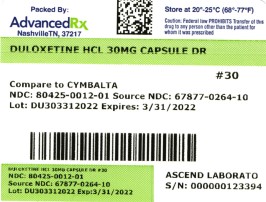
DULOXETINE HCL DR 30MG 30 CAP
Generic: Duloxetine
DULOXETINE HCL DR 30MG 30 CAP
Sign up to see pricing
Licensed pharmacies, clinics, doctor's offices, and veterinary practices get instant account approval
Sign Up — Instant ApprovalDrug Information
Identification
Duloxetine
Duloxetine
Ascend Laboratories, LLC
HUMAN PRESCRIPTION DRUG
Administration
CAPSULE, DELAYED RELEASE
ORAL
ANDA203197
Active Ingredients
| Ingredient | Strength |
|---|---|
| DULOXETINE HYDROCHLORIDE | 30 mg/1 |
Pharmacological Class
Data sourced from openFDA / DailyMed. For full prescribing information, consult the drug label.
Wholesale compliance resources
Drug Resources
Clinical Drug Information
Indications & Usage
1 INDICATIONS AND USAGE Duloxetine is indicated for the treatment of: Major depressive disorder in adults Generalized anxiety disorder in adults and pediatric patients 7 years of age and older Diabetic peripheral neuropathic pain in adults Fibromyalgia in adults and pediatric patients 13 years of age and older Chronic musculoskeletal pain in adults Duloxetine hydrochloride is a serotonin and norepinephrine reuptake inhibitor (SNRI) indicated for the treatment of the following conditions: Major depressive disorder (MDD) in adults ( 1 ) Generalized anxiety disorder (GAD) in adults and pediatric patients 7 years of age and older ( 1 ) Diabetic peripheral neuropathic pain (DPNP) in adults ( 1 ) Fibromyalgia (FM) in adults and pediatric patients 13 years of age and older ( 1 ) Chronic musculoskeletal pain in adults ( 1 )
Dosage & Administration
2 DOSAGE AND ADMINISTRATION Take duloxetine delayed-release capsules once daily, with or without food. Swallow whole; do not crush, chew, or open capsule ( 2.1 ) Indication Starting Dose Target Dose Maximum Dose MDD (2.2) 40 mg/day to 60 mg/day Acute Treatment: 40 mg/day (20 mg twice daily) to 60 mg/day (once daily or as 30 mg twice daily); Maintenance Treatment: 60 mg/day 120 mg/day GAD (2.3) Adults Geriatric Pediatrics (7 to 17 years of age) 60 mg/day 30 mg/day 30 mg/day 60 mg/day (once daily) 60 mg/day (once daily) 30 to 60 mg/day (once daily) 120 mg/day 120 mg/day 120 mg/day DPNP (2.4) 60 mg/day 60 mg/day (once daily) 60 mg/day FM (2.5) Adults and Pediatrics (13 to 17 years of age) 30 mg/day 60 mg/day (once daily) 60 mg/day Chronic Musculoskeletal Pain (2.6) 30 mg/day 60 mg/day (once daily) 60 mg/day Discontinuing duloxetine delayed-release capsules: Gradually reduce dosage to avoid discontinuation symptoms ( 2.8 , 5.7 ) 2.1 Important Administration Instructions Administer duloxetine delayed-release capsules orally (with or without meals) and swallow whole. Do not chew or crush, and do not open the delayed-release capsule and sprinkle its contents on food or mix with liquids because these actions might affect the enteric coating. If a dose of duloxetine delayed-release capsules is missed, take the missed dose as soon as it is remembered. If it is almost time for the next dose, skip the missed dose and take the next dose at the regular time. Do not take two doses of duloxetine delayed-release capsules at the same time. 2.2 Dosage for Treatment of Major Depressive Disorder in Adults The recommended starting dosage in adults with MDD is 40 mg/day (given as 20 mg twice daily) to 60 mg/day (given either once daily or as 30 mg twice daily). For some patients, it may be desirable to start at 30 mg once daily for 1 week, to allow patients to adjust to duloxetine before increasing to 60 mg once daily. While a 120 mg/day dose was shown to be effective, there is no evidence that doses greater than 60 mg/day confer any additional benefits. Periodically reassess to determine the need for maintenance treatment and the appropriate dosage for such treatment. 2.3 Dosage for Treatment of Generalized Anxiety Disorder Recommended Dosage in Adults Less than 65 Years of Age For most adults less than 65 years of age with GAD, initiate duloxetine capsules 60 mg once daily. For some patients, it may be desirable to start at 30 mg once daily for 1 week, to allow patients to adjust to duloxetine capsules before increasing to 60 mg once daily. While a 120 mg once daily dosage was shown to be effective, there is no evidence that doses greater than 60 mg/day confer additional benefit. Nevertheless, if a decision is made to increase the dosage beyond 60 mg once daily, increase dosage in increments of 30 mg once daily. Periodically reassess to determine the continued need for maintenance treatment and the appropriate dosage for such treatment. Recommended Dosage in Geriatric Patients In geriatric patients with GAD, initiate duloxetine capsules at a dosage of 30 mg once daily for 2 weeks before considering an increase to the target dose of 60 mg/day. Thereafter, patients may benefit from doses above 60 mg once daily. If a decision is made to increase the dose beyond 60 mg once daily, increase dose in increments of 30 mg once daily. The maximum dose studied was 120 mg per day. Recommended Dosage in Pediatric Patients 7 to 17 Years of Age Initiate duloxetine in pediatric patients 7 to 17 years of age with GAD at a dosage of 30 mg once daily for 2 weeks before considering an increase to 60 mg once daily. The recommended dosage range is 30 to 60 mg once daily. Some patients may benefit from dosages above 60 mg once daily. If a decision is made to increase the dose beyond 60 mg once daily, increase dosage in increments of 30 mg once daily. The maximum dose studied was 120 mg per day. 2.4 Dosage for Treatment of Diabetic Peripheral Neuropathic Pain in Adults Administer 60 mg once daily in adults with diabetic peripheral neuropathic pain. There is no evidence that doses higher than 60 mg once daily confer additional significant benefit and the higher dosage is clearly less well tolerated. For patients for whom tolerability is a concern, a lower starting dose may be considered. Since diabetes is frequently complicated by renal disease, consider a lower starting dosage and gradual increase in dosage for patients with renal impairment [see Dosage and Administration ( 2.7 ) and Use in Specific Populations ( 8.10 )]. 2.5 Dosage for Treatment of Fibromyalgia Recommended Dosage in Adults The recommended duloxetine delayed-release capsules dosage is 60 mg once daily in adults with fibromyalgia. Begin treatment at 30 mg once daily for 1 week, to allow patients to adjust to duloxetine delayed-release capsules before increasing to 60 mg once daily. Some patients may respond to the starting dosage. There is no evidence that dosages greater than 60 mg/day confer additional benefit, even in patients who do not respond to a 60 mg/day dosage, and higher dosages were associated with a higher rate of adverse reactions. Recommended Dosage in Pediatric Patients 13 to 17 Years of Age The recommended starting duloxetine delayed-release capsules dosage in pediatric patients 13-17 years of age with fibromyalgia is 30 mg once daily. The dosage may be increased to 60 mg once daily based on response and tolerability. 2.6 Dosage for Treatment of Chronic Musculoskeletal Pain in Adults The recommended duloxetine delayed-release capsules dosage is 60 mg once daily in adults with chronic musculoskeletal pain. Begin treatment at 30 mg once daily for one week, to allow patients to adjust to duloxetine delayed-release capsules before increasing to 60 mg once daily. There is no evidence that higher dosages confer additional benefit, even in patients who do not respond to a 60 mg once daily dosage, and higher dosages are associated with a higher rate of adverse reactions [see Clinical Studies ( 14.6 )] . 2.7 Dosage in Patients with Hepatic Impairment or Severe Renal Impairment Avoid use in patients with chronic liver disease or cirrhosis [see Warnings and Precautions ( 5.14 ) and Use in Specific Populations ( 8.9 )] . Avoid use in patients with severe renal impairment, GFR <30 mL/minute [see Warnings and Precautions (5.14) and Use in Specific Populations ( 8.10 )] . 2.8 Discontinuing Duloxetine Adverse reactions after discontinuation of duloxetine, after abrupt or tapered discontinuation, include: dizziness, headache, nausea, diarrhea, paresthesia, irritability, vomiting, insomnia, anxiety, hyperhidrosis, and fatigue. A gradual reduction in dosage rather than abrupt cessation is recommended whenever possible [see Warnings and Precautions (5.7) ] . 2.9 Switching a Patient to or from a Monoamine Oxidase Inhibitor (MAOI) Intended to Treat Psychiatric Disorders At least 14 days should elapse between discontinuation of an MAOI intended to treat psychiatric disorders and initiation of therapy with duloxetine. Conversely, at least 5 days should be allowed after stopping duloxetine before starting an MAOI intended to treat psychiatric disorders [see Contraindications (4) ] . 2.10 Use of Duloxetine with Other MAOIs such as Linezolid or Methylene Blue Do not start duloxetine in a patient who is being treated with linezolid or intravenous methylene blue because there is an increased risk of serotonin syndrome. In a patient who requires more urgent treatment of a psychiatric condition, other interventions, including hospitalization, should be considered [see Contraindications (4)] . In some cases, a patient already receiving duloxetine therapy may require urgent treatment with linezolid or intravenous methylene blue. If acceptable alternatives to linezolid or intravenous methylene blue treatment are not available and the potential benefits of linezolid or intravenous methylene blue treatment are judged to outweigh the risks of serotonin syndrome in a particular patient, duloxetine should be stopped promptly, and linezolid or intravenous methylene blue can be administered. The patient should be monitored for symptoms of serotonin syndrome for 5 days or until 24 hours after the last dose of linezolid or intravenous methylene blue, whichever comes first. Therapy with duloxetine may be resumed 24 hours after the last dose of linezolid or intravenous methylene blue [see Warnings and Precautions (5.4) ] . The risk of administering methylene blue by non-intravenous routes (such as oral tablets or by local injection) or in intravenous doses much lower than 1 mg/kg with duloxetine is unclear. The clinician should, nevertheless, be aware of the possibility of emergent symptoms of serotonin syndrome with such use [see Warnings and Precautions (5.4) ] .
Adverse Reactions
6 ADVERSE REACTIONS The following serious adverse reactions are described below and elsewhere in the labeling: Suicidal Thoughts and Behaviors in Children, Adolescents, and Young Adults [see Boxed Warning and Warnings and Precautions ( 5.1 )] Hepatotoxicity [see Warnings and Precautions ( 5.2 )] Orthostatic Hypotension, Falls and Syncope [see Warnings and Precautions ( 5.3 )] Serotonin Syndrome [see Warnings and Precautions ( 5.4 )] Increased Risk of Bleeding [see Warnings and Precautions ( 5.5 )] Severe Skin Reactions [see Warnings and Precautions ( 5.6 )] Discontinuation Syndrome [see Warnings and Precautions ( 5.7 )] Activation of Mania/Hypomania [see Warnings and Precautions ( 5.8 )] Angle-Closure Glaucoma [see Warnings and Precautions ( 5.9 )] Seizures [see Warnings and Precautions ( 5.10 )] Increases in Blood Pressure [see Warnings and Precautions ( 5.11 )] Clinically Important Drug Interactions [see Warnings and Precautions ( 5.12 )] Hyponatremia [see Warnings and Precautions ( 5.13 )] Urinary Hesitation and Retention [see Warnings and Precautions ( 5.15 )] Sexual Dysfunction [see Warnings and Precautions ( 5.16 )] Most common adverse reactions (≥5% and at least twice the incidence of placebo-treated patients): ( 6.1 ) Adults : nausea, dry mouth, somnolence, constipation, decreased appetite, and hyperhidrosis Pediatric Patients : decreased weight, decreased appetite, nausea, vomiting, fatigue, and diarrhea To report SUSPECTED ADVERSE REACTIONS, contact Ascend Laboratories, LLC at 1-877-272-7901 or FDA at 1-800-FDA-1088 or www.fda.gov/medwatch. 6.1 Clinical Trials Experience Because clinical trials are conducted under widely varying conditions, adverse reaction rates observed in the clinical trials of a drug cannot be directly compared to rates in the clinical trials of another drug and may not reflect the rates observed in practice. The stated frequencies of adverse reactions represent the proportion of patients who experienced, at least once, one treatment-emergent adverse reaction of the type listed. A reaction was considered treatment-emergent if it occurred for the first time or worsened while receiving therapy following baseline evaluation. Adverse Reactions in Adults Adult Clinical Trial Database The data described below reflect exposure to duloxetine delayed-release capsules in placebo-controlled adult trials for MDD (N=3779), GAD (N=1018), OA (N=503), CLBP (N=600), DPNP (N=906), and FM (N=1294). The age range in this pooled population was 17 to 89 years of age. In this pooled population, 66%, 61%, 61%, 43%, and 94% of adult patients were female; and 82%, 73%, 85%, 74%, and 86% of adult patients were Caucasian in the MDD, GAD, OA and CLBP, DPNP, and FM populations, respectively. Most patients received duloxetine dosages of a total of 60 to 120 mg per day [see Clinical Studies ( 14 )] . The data below do not include results of the trial that evaluated the efficacy of duloxetine for the treatment of GAD in patients ≥65 years old (Study GAD-5) [see Clinical Studies ( 14.3 )] ; however, the adverse reactions observed in this geriatric population were generally similar to adverse reactions in the overall adult population. Adverse Reactions Leading to Treatment Discontinuation in Adult Placebo-Controlled Trials Major Depressive Disorder Approximately 8.4% (319/3779) of duloxetine-treated patients in placebo-controlled adult trials for MDD discontinued treatment due to an adverse reaction, compared with 4.6% (117/2536) of placebo-treated patients. Nausea (duloxetine 1.1%, placebo 0.4%) was the only adverse reaction reported as a reason for discontinuation and considered to be drug-related (i.e., discontinuation occurring in at least 1% of the duloxetine-treated patients and at a rate of at least twice that of placebo-treated patients). Generalized Anxiety Disorder Approximately 13.7% (139/1018) of the duloxetine-treated patients in placebo-controlled adult trials for GAD discontinued treatment due to an adverse reaction, compared with 5% (38/767) for placebo-treated patients. Common adverse reactions reported as a reason for discontinuation and considered to be drug-related (as defined above) included nausea (duloxetine 3.3%, placebo 0.4%), and dizziness (duloxetine 1.3%, placebo 0.4%). Diabetic Peripheral Neuropathic Pain Approximately 12.9% (117/906) of the duloxetine-treated patients in placebo-controlled adult trials for DPNP discontinued treatment due to an adverse reaction, compared with 5.1% (23/448) for placebo-treated patients. Common adverse reactions reported as a reason for discontinuation and considered to be drug-related (as defined above) included nausea (duloxetine 3.5%, placebo 0.7%), dizziness (duloxetine 1.2%, placebo 0.4%), and somnolence (duloxetine 1.1%, placebo 0%). Fibromyalgia Approximately 17.5% (227/1294) of the duloxetine-treated patients in 3- to 6-month placebo-controlled adult trials for FM discontinued treatment due to an adverse reaction, compared with 10.1% (96/955) for placebo-treated patients. Adverse reactions reported as a reason for discontinuation and considered to be drug-related (as defined above) included nausea (duloxetine 2.0%, placebo 0.5%), headache (duloxetine 1.2%, placebo 0.3%), somnolence (duloxetine 1.1%, placebo 0%), and fatigue (duloxetine 1.1%, placebo 0.1%). Chronic Pain due to Osteoarthritis Approximately 15.7% (79/503) of the duloxetine-treated patients in 13-week, placebo-controlled adult trials for chronic pain due to OA discontinued treatment due to an adverse reaction, compared with 7.3% (37/508) for placebo-treated patients. Adverse reactions reported as a reason for discontinuation and considered to be drug-related (as defined above) included nausea (duloxetine 2.2%, placebo 1%). Chronic Low Back Pain Approximately 16.5% (99/600) of the duloxetine-treated patients in 13-week, placebo-controlled adult trials for CLBP discontinued treatment due to an adverse reaction, compared with 6.3% (28/441) for placebo-treated patients. Adverse reactions reported as a reason for discontinuation and considered to be drug-related (as defined above) included nausea (duloxetine 3%, placebo 0.7%), and somnolence (duloxetine 1%, placebo 0%). Most Common Adverse Reactions in Adult Trials The most commonly observed adverse reactions in duloxetine -treated patients (as defined above) were: • Diabetic Peripheral Neuropathic Pain: nausea, somnolence, decreased appetite, constipation, hyperhidrosis, and dry mouth. • Fibromyalgia: nausea, dry mouth, constipation, somnolence, decreased appetite, hyperhidrosis, and agitation. • Chronic Pain due to Osteoarthritis: nausea, fatigue, constipation, dry mouth, insomnia, somnolence, and dizziness. • Chronic Low Back Pain: nausea, dry mouth, insomnia, somnolence, constipation, dizziness, and fatigue. The most commonly observed adverse reactions in duloxetine-treated patients in all the pooled adult populations (i.e., MDD, GAD, DPNP, FM, OA, and CLBP) (incidence of at least 5% and at least twice the incidence in placebo-treated patients) were nausea, dry mouth, somnolence, constipation, decreased appetite, and hyperhidrosis. Table 2 displays the incidence of adverse reactions in placebo-controlled trials for approved adult populations (i.e., MDD, GAD, DPNP, FM, OA, and CLBP) that occurred in 5% or more of duloxetine delayed-release capsules-treated patients and with an incidence greater than placebo-treated patients. Table 2: Adverse Reactions: Incidence of 5% or More and Greater than Placebo in Placebo-Controlled Trials of Approved Adult Populations a Adverse Reaction Percentage of Patients Reporting Reaction Duloxetine (N=8100) Placebo (N=5655) Nausea c 23 8 Headache 14 12 Dry mouth 13 5 Somnolence e 10 3 Fatigue b,c 9 5 Insomnia d 9 5 Constipation c 9 4 Dizziness c 9 5 Diarrhea 9 6 Decreased appetite c 7 2 Hyperhidrosis c 6 1 Abdominal pain f 5 4 a Includes adults with MDD, GAD, DPNP, FM, and chronic musculoskeletal pain. The inclusion of an event in the table is determined based on the percentages before rounding; however, the percentages displayed in the table are rounded to the nearest integer. b Also includes asthenia. c Events for which there was a significant dose-dependent relationship in fixed-dose studies, excluding three MDD studies which did not have a placebo lead-in period or dose titration. d Also includes initial insomnia, middle insomnia, and early morning awakening. e Also includes hypersomnia and sedation. f Also includes abdominal discomfort, abdominal pain lower, abdominal pain upper, abdominal tenderness, and gastrointestinal pain. Adverse Reactions in Pooled MDD and GAD Trials in Adults Table 3 displays the incidence of adverse reactions in MDD and GAD placebo-controlled adult trials that occurred in 2% or more of duloxetine-treated patients and with an incidence greater than placebo-treated patients. Table 3: Adverse Reactions: Incidence of 2% or More and Greater than Placebo in MDD and GAD Placebo-Controlled Trials in Adults a,b System Organ Class / Adverse Reaction Percentage of Patients Reporting Reaction Duloxetine (N=4797) Placebo (N=3303) Cardiac Disorders Palpitations 2 1 Eye Disorders Vision blurred 3 1 Gastrointestinal Disorders Nausea c Dry mouth Constipation c Diarrhea Abdominal pain d Vomiting 23 14 9 9 5 4 8 6 4 6 4 2 General Disorders and Administration Site Conditions Fatigue e 9 5 Metabolism and Nutrition Disorders Decreased appetite c 6 2 Nervous System Disorders Headache Dizziness c Somnolence f Tremor 14 9 9 3 14 5 3 1 Psychiatric Disorders Insomnia g Agitation h Anxiety 9 4 3 5 2 2 Reproductive System and Breast Disorders Erectile dysfunction Ejaculation delayed c Libido decreased i Orgasm abnormal j 4 2 3 2 1 1 1 <1 Respiratory, Thoracic, and Mediastinal Disorders Yawning 2 <1 Skin and Subcutaneous Tissue Disorders Hyperhidrosis 6 2 a The inclusion of an event in the table is determined based on the percentages before rounding; however, the percentages displayed in the table are rounded to the nearest integer. b For GAD, there were no adverse reactions that were significantly different between treatments in adults ≥65 years that were also not significant in the adults less than 65 years. c Events for which there was a significant dose-dependent relationship in fixed-dose studies, excluding three MDD studies which did not have a placebo lead-in period or dose titration. d Includes abdominal pain upper, abdominal pain lower, abdominal tenderness, abdominal discomfort, and gastrointestinal pain. e Includes asthenia. f Includes hypersomnia and sedation. g Includes initial insomnia, middle insomnia, and early morning awakening. h Includes feeling jittery, nervousness, restlessness, tension and psychomotor hyperactivity. i Includes loss of libido. j Includes anorgasmia. Adverse Reactions in the DPNP, FM, OA, and CLBP Adult Trials Table 4 displays the incidence of adverse reactions that occurred in 2% or more of duloxetine-treated patients (determined prior to rounding) in the premarketing acute phase of DPNP, FM, OA, and CLBP placebo-controlled adult trials and with an incidence greater than placebo-treated patients. Table 4: Adverse Reactions: Incidence of 2% or More and Greater than Placebo in DPNP, FM, OA, and CLBP Placebo-ControlledTrials a System Organ Class / Adverse Reaction Percentage of Patients Reporting Reaction Duloxetine (N=3303) Placebo (N=2352) Gastrointestinal Disorders Nausea Dry Mouth b Constipation b Diarrhea Abdominal Pain c Vomiting Dyspepsia 23 11 10 9 5 3 2 7 3 3 5 4 2 1 General Disorders and Administration Site Conditions Fatigue d 11 5 Infections and Infestations Nasopharyngitis Upper Respiratory Tract Infection Influenza 4 3 2 4 3 2 Metabolism and Nutrition Disorders Decreased Appetite b 8 1 Musculoskeletal and Connective Tissue Musculoskeletal Pain e Muscle Spasms 3 2 3 2 Nervous System Disorders Headache Somnolence b,f Dizziness Paraesthesia g Tremor b 13 11 9 2 2 8 3 5 2 less than 1 Psychiatric Disorders Insomnia b, h Agitation i 10 3 5 1 Reproductive System and Breast Disorders Erectile Dysfunction b Ejaculation Disorder j 4 2 less than 1 less than 1 Respiratory, Thoracic, and Mediastinal Disorders Cough 2 2 Skin and Subcutaneous Tissue Disorders Hyperhidrosis 6 1 Vascular Disorders Flushing k Blood pressure increased l 3 2 1 1 a The inclusion of an event in the table is determined based on the percentages before rounding; however, the percentages displayed in the table are rounded to the nearest integer. b Incidence of 120 mg/day is significantly greater than the incidence for 60 mg/day. c Includes abdominal discomfort, lower abdominal pain, upper abdominal pain, abdominal tenderness and gastrointestinal pain. d Includes asthenia. e Includes myalgia and neck pain. f Includes hypersomnia and sedation. g Includes hypoaesthesia, facial hypoaesthesia, genital hypoaesthesia and oral paraesthesia. h Includes initial insomnia, middle insomnia, and early morning awakening. i Includes feeling jittery, nervousness, restlessness, tension and psychomotor hyperactivity. j Includes ejaculation failure. k Includes hot flush. l Includes increased diastolic blood pressure, increased systolic blood pressure, diastolic hypertension, essential hypertension, hypertension, hypertensive crisis, labile hypertension, orthostatic hypertension, secondary hypertension, and systolic hypertension. Effects on Male and Female Sexual Function in Adults with MDD Changes in sexual desire, sexual performance and sexual satisfaction often occur as manifestations of psychiatric disorders or diabetes, but they may also be a consequence of pharmacologic treatment. Because adverse sexual reactions are presumed to be voluntarily underreported, the Arizona Sexual Experience Scale (ASEX), a validated measure designed to identify sexual adverse reactions, was used prospectively in 4 MDD placebo-controlled adult trials (Studies MDD-1, MDD-2, MDD-3, and MDD-4) [see Clinical Studies (14.2)]. The ASEX scale includes five questions that pertain to the following aspects of sexual function: 1) sex drive, 2) ease of arousal, 3) ability to achieve erection (men) or lubrication (women), 4) ease of reaching orgasm, and 5) orgasm satisfaction. Positive numbers signify a worsening of sexual function from baseline. Negative numbers signify an improvement from a baseline level of dysfunction, which is commonly seen in depressed patients. In these trials, duloxetine-treated male patients experienced significantly more sexual dysfunction, as measured by the total score on the ASEX and the ability to reach orgasm, than placebo-treated male patients (see Table 5). Duloxetine- treated female patients did not experience more sexual dysfunction than placebo-treated female patients as measured by ASEX total score. Healthcare providers should routinely inquire about possible sexual adverse reactions in duloxetine-treated patients. Table 5: Mean Change in ASEX Scores by Gender in MDD Placebo-Controlled Adult Trials Male Patients a Female Patients a Duloxetine (n=175) Placebo (n=83) Duloxetine (n=241) Placebo (n=126) ASEX Total (Items 1-5) 0.56 b -1.07 -1.15 -1.07 Item 1 — Sex drive -0.07 -0.12 -0.32 -0.24 Item 2 — Arousal 0.01 -0.26 -0.21 -0.18 Item 3 — Ability to achieve erection (men); Lubrication (women) 0.03 -0.25 -0.17 -0.18 Item 4 — Ease of reaching orgasm 0.40 c -0.24 -0.09 -0.13 Item 5 — Orgasm satisfaction 0.09 -0.13 -0.11 -0.17 a n=Number of patients with non-missing change score for ASEX total. b p=0.013 versus placebo. c p<0.001 versus placebo. Vital Sign Changes in Adults In placebo-controlled clinical trials across approved adult populations for change from baseline to endpoint, duloxetine-treated patients had mean increases of 0.23 mm Hg in systolic blood pressure (SBP) and 0.73 mm Hg in diastolic blood pressure (DBP) compared to mean decreases of 1.09 mm Hg in SBP and 0.55 mm Hg in DBP in placebo-treated patients. There was no significant difference in the frequency of sustained (3 consecutive visits) elevated blood pressure [see Warnings and Precautions (5.3, 5.11)] . Duloxetine treatment, for up to 26 weeks in placebo-controlled trials across approved adult populations, typically caused a small increase in heart rate for change from baseline to endpoint compared to placebo of up to 1.37 beats per minute (increase of 1.20 beats per minute in duloxetine-treated patients, decrease of 0.17 beats per minute in placebo-treated patients). Laboratory Changes in Adults Duloxetine treatment in placebo-controlled clinical trials across approved adult populations, was associated with small mean increases from baseline to endpoint in ALT, AST, CPK, and alkaline phosphatase; infrequent, modest, transient, abnormal values were observed for these analytes in duloxetine-treated patients when compared with placebo-treated patients [see Warnings and Precautions (5.2)] . High bicarbonate, cholesterol, and abnormal (high or low) potassium, were observed more frequently in duloxetine-treated patients compared to placebo-treated patients. Other Adverse Reactions Observed During the Clinical Trial Evaluation of Duloxetine in Adults Following is a list of adverse reactions reported by patients treated with duloxetine in clinical adult trials. In clinical trials of all approved adult populations, 34,756 patients were treated with duloxetine. Of these, 27% (9337) took duloxetine for at least 6 months, and 12% (4317) took duloxetine for at least one year. The following listing is not intended to include reactions (1) already listed in previous tables or elsewhere in labeling, (2) for which a drug cause was remote, (3) which were so general as to be uninformative, (4) which were not considered to have significant clinical implications, or (5) which occurred at a rate equal to or less than placebo. Reactions are categorized by body system according to the following definitions: frequent adverse reactions are those occurring in at least 1/100 patients; infrequent adverse reactions are those occurring in 1/100 to 1/1000 patients; rare reactions are those occurring in fewer than 1/1000 patients. Cardiac Disorders — Frequent: palpitations; Infrequent: myocardial infarction, tachycardia, and Takotsubo cardiomyopathy. Ear and Labyrinth Disorders — Frequent: vertigo; Infrequent: ear pain and tinnitus. Endocrine Disorders — Infrequent: hypothyroidism. Eye Disorders — Frequent: vision blurred; Infrequent: diplopia, dry eye, and visual impairment. Gastrointestinal Disorders — Frequent: flatulence; Infrequent: dysphagia, eructation, gastritis, gastrointestinal hemorrhage, halitosis, and stomatitis; Rare: gastric ulcer. General Disorders and Administration Site Conditions — Frequent: chills/rigors; Infrequent: falls, feeling abnormal, feeling hot and/or cold, malaise, and thirst; Rare: gait disturbance. Infections and Infestations — Infrequent: gastroenteritis and laryngitis. Investigations — Frequent: weight increased, weight decreased; Infrequent: blood cholesterol increased. Metabolism and Nutrition Disorders — Infrequent: dehydration and hyperlipidemia; Rare: dyslipidemia. Musculoskeletal and Connective Tissue Disorders — Frequent: musculoskeletal pain; Infrequent: muscle tightness and muscle twitching. Nervous System Disorders — Frequent: dysgeusia, lethargy, and paraesthesia/hypoesthesia; Infrequent: disturbance in attention, dyskinesia, myoclonus, and poor quality sleep; Rare: dysarthria. Psychiatric Disorders — Frequent: abnormal dreams and sleep disorder; Infrequent: apathy, bruxism, disorientation/confusional state, irritability, mood swings, and suicide attempt; Rare: completed suicide. Renal and Urinary Disorders — Frequent: urinary frequency; Infrequent: dysuria, micturition urgency, nocturia, polyuria, and urine odor abnormal. Reproductive System and Breast Disorders — Frequent: anorgasmia/orgasm abnormal; Infrequent: menopausal symptoms, sexual dysfunction, and testicular pain; Rare: menstrual disorder. Respiratory, Thoracic and Mediastinal Disorders — Frequent: yawning, oropharyngeal pain; Infrequent: throat tightness. Skin and Subcutaneous Tissue Disorders — Frequent: pruritus; Infrequent: cold sweat, dermatitis contact, erythema, increased tendency to bruise, night sweats, and photosensitivity reaction; Rare: ecchymosis. Vascular Disorders — Frequent: hot flush; Infrequent: flushing, orthostatic hypotension, and peripheral coldness. Adverse Reactions Observed in Placebo-Controlled Clinical Trials in Pediatric Patients Pediatric Clinical Trial Database The data described below reflect exposure to duloxetine (N=567) in pediatric patients aged 7 to 18 years of age from two 10-week, placebo-controlled trials in patients with MDD (N=341) (Studies MDD-6 and MDD-7), one 10-week placebo- controlled trial in GAD (N=135) (Study GAD-6), and a 13-week trial in fibromyalgia (N=91). Duloxetine is not approved for the treatment of MDD in pediatric patients [see Use in Specific Populations (8.4)] . Of the duloxetine-treated patients in these studies, 36% were 7 to 11 years of age (64% were between 12 to 18 years old), 55% were female, and 69% were Caucasian. Patients received 30 to 120 mg of duloxetine per day during placebo-controlled acute treatment studies. In the pediatric MDD, GAD, and fibromyalgia trials up to 40 weeks long, there were 988 duloxetine-treated pediatric patients aged 7 to 17 years of age (most patients received 30-120 mg per day) – 35% were 7 to 11 years of age (65% were 12 to 17 years old) and 56% were female. Most Common Adverse Reactions in Pediatric Trials The most common adverse reactions (≥5% in duloxetine-treated patients and at least twice the incidence of placebo- treated patients) in all pooled pediatric populations (MDD, GAD, and fibromyalgia) were decreased weight, decreased appetite, nausea, vomiting, fatigue, and diarrhea. Adverse Reactions in Pediatric Patients Aged 7 to 17 Years Old with MDD and GAD The adverse reaction profile observed in clinical trials in pediatric patients aged 7 to 18 years old with MDD and GAD was consistent with the adverse reaction profile observed in adult clinical trials. The most common (≥5% and twice placebo) adverse reactions observed in these pediatric clinical trials included: nausea, diarrhea, decreased weight, and dizziness. Table 6 provides the incidence of adverse reactions in MDD and GAD pediatric placebo-controlled trials that occurred in greater than 2% of patients treated with duloxetine and with an incidence greater than patients treated with placebo. Duloxetine is not approved in the treatment of MDD in pediatric patients [see Use in Specific Populations (8.4)]. Table 6: Adverse Reactions: Incidence of 2% or More and Greater than Placebo in Three 10-week Pediatric Placebo-Controlled Trials in MDD and GAD a System Organ Class/Adverse Reaction Percentage of Pediatric Patients Reporting Reaction Duloxetine (N=476) Placebo (N=362) Gastrointestinal Disorders Nausea Abdominal Pain b Vomiting Diarrhea Dry Mouth 18 13 9 6 2 8 10 4 3 1 General Disorders and Administration Site Conditions Fatigue c 7 5 Investigations Decreased Weight d 14 6 Metabolism and Nutrition Disorders Decreased Appetite 10 5 Nervous System Disorders Headache Somnolence e Dizziness 18 11 8 13 6 4 Psychiatric Disorders Insomnia f 7 4 Respiratory, Thoracic, and Mediastinal Disorders Oropharyngeal Pain Cough 4 3 2 1 a Duloxetine is not approved for the treatment of pediatric MDD [see Use in Specific Populations (8.4)]. The inclusion of an event in the table is determined based on the percentages before rounding; however, the percentages displayed in the table are rounded to the nearest integer. b Also includes abdominal pain upper, abdominal pain lower, abdominal tenderness, abdominal discomfort, and gastrointestinal pain. c Also includes asthenia. d Frequency based on weight measurement meeting potentially clinically significant threshold of ≥3.5% weight loss (N=467 duloxetine; N=354 Placebo). e Also includes hypersomnia and sedation. f Also includes initial insomnia, insomnia, middle insomnia, and terminal insomnia. Other adverse reactions that occurred at an incidence of less than 2% and were reported by more duloxetine-treated patients than placebo-treated patients in pediatric MDD and GAD clinical trials included: abnormal dreams (including nightmare), anxiety, flushing (including hot flush), hyperhidrosis, palpitations, pulse increased, and tremor (Duloxetine delayed-release capsules is not approved to treat pediatric patients with MDD). The most commonly reported symptoms following discontinuation of duloxetine delayed-release capsules in pediatric MDD and GAD clinical trials included headache, dizziness, insomnia, and abdominal pain [see Warnings and Precautions (5.7)] . Growth (Height and Weight) in Pediatric Patients 7 to 17 Years Old with GAD and MDD Decreased appetite and weight loss have been observed in association with the use of SSRIs and SNRIs. Duloxetine - treated pediatric patients in clinical trials experienced a 0.1 kg mean decrease in weight at 10 weeks, compared with a mean weight gain of approximately 0.9 kg in placebo-treated pediatric patients. The proportion of patients who experienced a clinically significant decrease in weight (≥3.5%) was greater in the duloxetine group than in the placebo group (16% and 6%, respectively). Subsequently, over the 4- to 6-month uncontrolled extension periods, duloxetine- treated patients on average trended toward recovery to their expected baseline weight percentile based on population data from age- and sex-matched peers. In studies up to 9 months, duloxetine-treated pediatric patients experienced an increase in height of 1.7 cm on average (2.2 cm increase in patients 7 to 11 years of age and 1.3 cm increase in patients 12 to 17 years of age). While height increase was observed during these studies, a mean decrease of 1% in height percentile was observed (decrease of 2% in patients 7 to 11 years of age and increase of 0.3% in patients 12 to 17 years of age). Weight and height should be monitored regularly in pediatric patients treated with duloxetine [see Use in Specific Populations (8.4)] . Adverse Reactions in Pediatric Patients Aged 13 to 17 Years Old with Fibromyalgia Table 7 provides the incidence of adverse reactions in a fibromyalgia pediatric placebo-controlled trial (Study FM-4) that occurred in greater than 5% of patients treated with duloxetine and with an incidence greater than patients treated with placebo [see Clinical Studies (14.5)] . Table 7: Adverse Reactions: Incidence of 5% or More and Greater than Placebo in a 13-week Placebo-Controlled Trial in Pediatric Patients 13 to 17 Years Old with Fibromyalgia (Study FM-4) a Duloxetine (N=91) Placebo (N=93) Nausea 25% 15% Decreased appetite 15% 3% Vomiting 15% 5% Decreased weight b 15% 5% Headache 14% 11% Nasopharyngitis 9% 2% Somnolence 9% 3% Upper respiratory tract infection 7% 2% Viral gastroenteritis 5% 0% Fatigue 5% 2% a The inclusion of an event in the table is determined based on the percentages before rounding; however, the percentages displayed in the table are rounded to the nearest integer. b Frequency based on weight measurement meeting potentially clinically significant threshold of ≥3.5% weight loss (N=89 duloxetine; N=92 Placebo). 6.2 Postmarketing Experience The following adverse reactions have been identified during post approval use of duloxetine. Because these reactions are reported voluntarily from a population of uncertain size, it is not always possible to reliably estimate their frequency or establish a causal relationship to drug exposure. Adverse reactions reported since market introduction that were temporally related to duloxetine therapy and not mentioned elsewhere in labeling include: acute pancreatitis, anaphylactic reaction, aggression and anger (particularly early in treatment or after treatment discontinuation), angioneurotic edema, angle-closure glaucoma, colitis (microscopic or unspecified), cutaneous vasculitis (sometimes associated with systemic involvement),extrapyramidal disorder, galactorrhea, gynecological bleeding, hallucinations, hyperglycemia, hyperprolactinemia, hypersensitivity, hypertensive crisis, muscle spasm, rash, restless legs syndrome, seizures upon treatment discontinuation, supraventricular arrhythmia, tinnitus (upon treatment discontinuation), trismus, and urticaria.
Information for Patients
17 PATIENT COUNSELING INFORMATION Advise the patient to read the FDA-approved patient labeling (Medication Guide). Suicidal Thoughts and Behaviors — Advise patients, their families, and their caregivers to look for the emergence of suicidal ideation and behavior, especially during treatment and when the dose is adjusted up or down and instruct them to report such symptoms to their healthcare provider [see Boxed Warning and Warnings and Precautions ( 5.1 )] . Administration — Advise patients to swallow duloxetine capsules whole and to not chew, crush, or open the capsule (do not sprinkle contents on food or mixed with liquids) because these actions might affect the enteric coating. Hepatotoxicity — Inform patients that severe liver problems, sometimes fatal, have been reported in patients treated with duloxetine. Instruct patients to talk to their healthcare provider if they develop itching, right upper belly pain, dark urine, or yellow skin/eyes while taking duloxetine, which may be signs of liver problems. Instruct patients to talk to their healthcare provider about their alcohol consumption. Use of duloxetine with heavy alcohol intake may be associated with severe liver injury [see Warnings and Precautions ( 5.2 )] . Alcohol — Although duloxetine does not increase the impairment of mental and motor skills caused by alcohol, use of duloxetine concomitantly with heavy alcohol intake may be associated with severe liver injury [see Warnings and Precautions ( 5.2 ) and Drug Interactions ( 7.15 )] . Orthostatic Hypotension, Falls and Syncope — Advise patients of the risk of orthostatic hypotension, falls and syncope, especially during the period of initial use and subsequent dose escalation, and in association with the use of concomitant drugs that might potentiate the orthostatic effect of duloxetine [see Warnings and Precautions ( 5.3 )] . Serotonin Syndrome — Caution patients about the risk of serotonin syndrome with the concomitant use of duloxetine and other serotonergic agents including triptans, tricyclic antidepressants, opioids, lithium, buspirone, tryptophan, amphetamines, and St. John’s Wort [see Contraindications ( 4 ), Warnings and Precautions ( 5.4 ), and Drug Interactions ( 7.14 )] . Advise patients of the signs and symptoms associated with serotonin syndrome that may include mental status changes (e.g., agitation, hallucinations, delirium, and coma), autonomic instability (e.g., tachycardia, labile blood pressure, dizziness, diaphoresis, flushing, hyperthermia), neuromuscular changes (e.g., tremor, rigidity, myoclonus, hyperreflexia, incoordination), seizures, and/or gastrointestinal symptoms (e.g., nausea, vomiting, diarrhea). Caution patients to seek medical care immediately if they experience these symptoms. Increased Risk of Bleeding — Caution patients about the concomitant use of duloxetine and NSAIDs, aspirin, warfarin, or other drugs that affect coagulation since combined use of psychotropic drugs that interfere with serotonin reuptake and these agents has been associated with an increased risk of bleeding [see Warnings and Precautions ( 5.5 ) and Use in Specific Populations ( 8.1 )] . Severe Skin Reactions — Caution patients that duloxetine may cause serious skin reactions. This may need to be treated in a hospital and may be life-threatening. Counsel patients to call their doctor right away or get emergency help if they have skin blisters, peeling rash, sores in their mouth, hives, or any other allergic reactions [see Warnings and Precautions ( 5.6 )] . Discontinuation of Treatment — Instruct patients that discontinuation of duloxetine may be associated with symptoms such as dizziness, headache, nausea, diarrhea, paresthesia, irritability, vomiting, insomnia, anxiety, hyperhidrosis, and fatigue, and should be advised not to alter their dosing regimen, or stop taking duloxetine without consulting their healthcare provider [see Warnings and Precautions ( 5.7 )] . Activation of Mania or Hypomania — Adequately screen patients with depressive symptoms for risk of bipolar disorder (e.g. family history of suicide, bipolar disorder, and depression) prior to initiating treatment with duloxetine. Advise patients to report any signs or symptoms of a manic reaction such as greatly increased energy, severe trouble sleeping, racing thoughts, reckless behavior, talking more or faster than usual, unusually grand ideas, and excessive happiness or irritability [see Warnings and Precautions ( 5.8 )] . Angle-Closure Glaucoma — Advise patients that taking duloxetine can cause mild pupillary dilation, which in susceptible individuals, can lead to an episode of angle-closure glaucoma. Pre-existing glaucoma is almost always open-angle glaucoma because angle-closure glaucoma, when diagnosed, can be treated definitively with iridectomy. Open-angle glaucoma is not a risk factor for angle-closure glaucoma. Patients may wish to be examined to determine whether they are susceptible to angle-closure, and have a prophylactic procedure (e.g., iridectomy), if they are susceptible [see Warnings and Precautions ( 5.9 )] . Seizures — Advise patients to inform their healthcare provider if they have a history of seizure disorder [see Warnings and Precautions ( 5.10 )] . Effects on Blood Pressure — Caution patients that duloxetine may cause an increase in blood pressure [see Warnings and Precautions ( 5.11 )] . Concomitant Medications — Advise patients to inform their healthcare provider if they are taking, or plan to take, any prescription or over-the-counter medications, since there is a potential for interactions [see Dosage and Administration ( 2.9 , 2.10 ), Contraindications ( 4 ), Warnings and Precautions ( 5.4 , 5.12 ), and Drug Interactions ( 7 )] . Hyponatremia — Advise patients that hyponatremia has been reported as a result of treatment with SNRIs and SSRIs, including duloxetine. Advise patients of the signs and symptoms of hyponatremia [see Warnings and Precautions ( 5.13 )] . Concomitant Illnesses — Advise patients to inform their healthcare provider about all of their medical conditions [see Warnings and Precautions ( 5.14 )] . Urinary Hesitation and Retention — Duloxetine is in a class of medicines that may affect urination. Instruct patients to consult with their healthcare provider if they develop any problems with urine flow [see Warnings and Precautions ( 5.15 )] . Sexual Dysfunction — Advise patients that use of duloxetine may cause symptoms of sexual dysfunction in both male and female patients. Inform patients that they should discuss any changes in sexual function and potential management strategies with their healthcare provider [see Warnings and Precautions ( 5.16 )]. Pregnancy Advise women to notify their healthcare provider if they become pregnant or intend to become pregnant during treatment with duloxetine. Advise pregnant women or patients who intend to become pregnant that duloxetine may increase the risk of neonatal complications requiring prolonged hospitalization, respiratory support, and tube feeding. Advise pregnant women that there is a risk of relapse with discontinuation of antidepressants. Advise patients that there is a pregnancy exposure registry that monitors pregnancy outcomes in women exposed to duloxetine during pregnancy [see Use in Specific Populations ( 8.1 )] . Lactation ― Advise breastfeeding women using duloxetine to monitor infants for sedation, poor feeding and poor weight gain and to seek medical care if they notice these signs [see Use in Specific Populations ( 8.2 )] . Interference with Psychomotor Performance — Duloxetine may be associated with sedation and dizziness. Therefore, caution patients about operating hazardous machinery including automobiles, until they are reasonably certain that duloxetine therapy does not affect their ability to engage in such activities. Manufactured by: Alkem Laboratories Ltd., Mumbai-400 013, INDIA. Distributed by: Ascend Laboratories, LLC Bedminster, NJ 07921 For Medication Guide, please visit: www.ascendlaboratories.com/mg/duloxetinedrcaps.pdf
Clinical data sourced from openFDA drug labeling. For complete prescribing information, consult the full drug label.