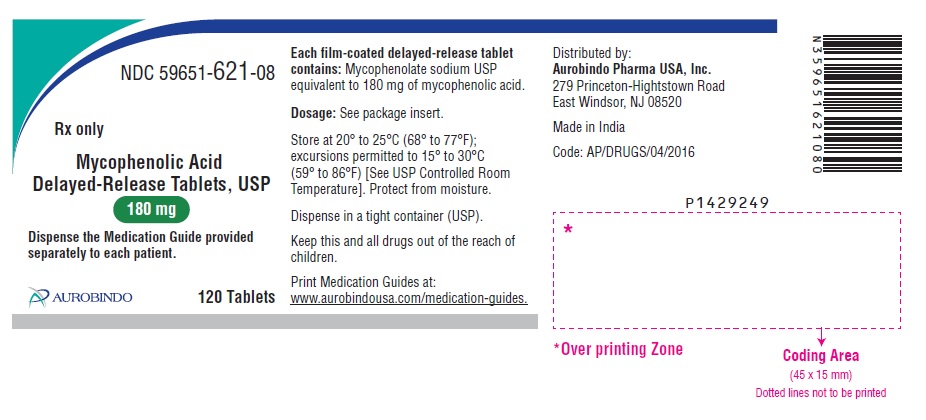
MYCOPHENOLIC ACID DR 360MG 120 TABS
Generic: mycophenolic acid
MYCOPHENOLIC ACID DR 360MG 120 TABS
Sign up to see pricing
Licensed pharmacies, clinics, doctor's offices, and veterinary practices get instant account approval
Sign Up — Instant ApprovalDrug Information
Identification
mycophenolic acid
mycophenolic acid
Upsher-Smith Laboratories, LLC
HUMAN PRESCRIPTION DRUG
Administration
TABLET, DELAYED RELEASE
ORAL
ANDA214289
Active Ingredients
| Ingredient | Strength |
|---|---|
| MYCOPHENOLATE SODIUM | 360 mg/1 |
Pharmacological Class
Data sourced from openFDA / DailyMed. For full prescribing information, consult the drug label.
Wholesale compliance resources
Drug Resources
Clinical Drug Information
Indications & Usage
1 INDICATIONS AND USAGE Mycophenolic acid delayed-release tablets are an antimetabolite immunosuppressant indicated for prophylaxis of organ rejection in adult patients receiving kidney transplants and in pediatric patients at least 5 years of age and older who are at least 6 months post kidney transplant. ( 1.1 ) Use in combination with cyclosporine and corticosteroids. ( 1.1 ) Limitations of Use: Mycophenolic acid delayed release tablets and mycophenolate mofetil tablets and capsules should not be used interchangeably. ( 1.2 ) 1.1 Prophylaxis of Organ Rejection in Kidney Transplant Mycophenolic acid delayed-release tablets are indicated for the prophylaxis of organ rejection in adult patients receiving a kidney transplant. Mycophenolic acid delayed-release tablets are indicated for the prophylaxis of organ rejection in pediatric patients 5 years of age and older who are at least 6 months post kidney transplant. Mycophenolic acid delayed-release tablets are to be used in combination with cyclosporine and corticosteroids. 1.2 Limitations of Use Mycophenolic acid delayed-release tablets and mycophenolate mofetil (MMF) tablets and capsules should not be used interchangeably without physician supervision because the rate of absorption following the administration of these two products is not equivalent.
Dosage & Administration
2 DOSAGE AND ADMINISTRATION In adults: 720 mg by mouth, twice daily (1,440 mg total daily dose) on an empty stomach, 1 hour before or 2 hours after food intake. ( 2.1 ) In children: 5 years of age and older (who are at least 6 months post kidney transplant), 400 mg/m 2 by mouth, twice daily (up to a maximum of 720 mg twice daily). ( 2.2 ) Do not crush, chew, or cut tablet prior to ingestion. ( 2.3 ) 2.1 Dosage in Adult Kidney Transplant Patients The recommended dose of mycophenolic acid delayed-release tablets is 720 mg administered twice daily (1,440 mg total daily dose). 2.2 Dosage in Pediatric Kidney Transplant Patients The recommended dose of mycophenolic acid delayed-release tablets in conversion (at least 6 months post-transplant) pediatric patients age 5 years and older is 400 mg/m 2 body surface area (BSA) administered twice daily (up to a maximum dose of 720 mg administered twice daily). 2.3 Administration Mycophenolic acid delayed-release tablets should be taken on an empty stomach, 1 hour before or 2 hours after food intake [ see Clinical Pharmacology (12.3) ]. Mycophenolic acid delayed-release tablets should not be crushed, chewed, or cut prior to ingesting. The tablets should be swallowed whole in order to maintain the integrity of the enteric coating. Pediatric patients with a BSA of 1.19 m 2 to 1.58 m 2 may be dosed either with three mycophenolic acid delayed-release 180 mg tablets, or one 180 mg tablet plus one 360 mg tablet twice daily (1,080 mg daily dose). Patients with a BSA of >1.58 m 2 may be dosed either with four mycophenolic acid delayed-release 180 mg tablets, or two mycophenolic acid delayed-release 360 mg tablets twice daily (1,440 mg daily dose). Pediatric doses for patients with BSA <1.19 m 2 cannot be accurately administered using currently available formulations of mycophenolic acid delayed-release tablets.
Adverse Reactions
6 ADVERSE REACTIONS The following adverse reactions are discussed in greater detail in other sections of the label. Embryo-Fetal Toxicity [ see Boxed Warning, Warnings and Precautions (5.1) ] Lymphomas and Other Malignancies [ see Boxed Warning, Warnings and Precautions (5.3) ] Serious Infections [ see Boxed Warning, Warnings and Precautions (5.4) ] New or Reactivated Viral Infections [ see Warnings and Precautions (5.5) ] Blood Dyscrasias, Including Pure Red Cell Aplasia [ see Warnings and Precautions (5.6) ] Serious GI Tract Complications [ see Warnings and Precautions (5.7) ] Acute Inflammatory Syndrome Associated with Mycophenolate Products [ see Warnings and Precautions (5.8) ] Rare Hereditary Deficiencies [ see Warnings and Precautions (5.10) ] Most common adverse reactions (≥20%): anemia, leukopenia, constipation, nausea, diarrhea, vomiting, dyspepsia, urinary tract infection, CMV infection, insomnia, and postoperative pain. ( 6.2 ) To report SUSPECTED ADVERSE REACTIONS, contact TWi Pharmaceuticals, Inc. at 1-844-518-2989 or FDA at 1-800-FDA-1088 or www.fda.gov/medwatch . 6.1 Clinical Studies Experience Because clinical trials are conducted under widely varying conditions, adverse reaction rates observed in the clinical trials of a drug cannot be directly compared to rates in the clinical trials of another drug and may not reflect the rates observed in practice. The data described below derive from two randomized, comparative, active-controlled, double-blind, double-dummy trials in prevention of acute rejection in de novo and converted stable kidney transplant patients. In the de novo trial, patients were administered either mycophenolic acid delayed-release tablets 1.44 grams per day (N = 213) or MMF 2 grams per day (N = 210) within 48 hours post-transplant for 12 months in combination with cyclosporine, USP MODIFIED and corticosteroids. Forty-one percent of patients also received antibody therapy as induction treatment. In the conversion trial, renal transplant patients who were at least 6 months post-transplant and receiving 2 grams per day MMF in combination with cyclosporine USP MODIFIED, with or without corticosteroids for at least two weeks prior to entry in the trial were randomized to mycophenolic acid delayed-release tablets 1.44 grams per day (N=159) or MMF 2 grams per day (N = 163) for 12 months. The average age of patients in both studies was 47 years and 48 years ( de novo study and conversion study, respectively), ranging from 22 to 75 years. Approximately 66% of patients were male; 82% were white, 12% were black, and 6% other races. About 40% of patients were from the United States and 60% from other countries. In the de novo trial, the overall incidence of discontinuation due to adverse reactions was 18% (39/213) and 17% (35/210) in the mycophenolic acid delayed-release tablets and MMF arms, respectively. The most common adverse reactions leading to discontinuation in the mycophenolic acid delayed-release tablets arm were graft loss (2%), diarrhea (2%), vomiting (1%), renal impairment (1%), CMV infection (1%), and leukopenia (1%). The overall incidence of patients reporting dose reduction at least once during the 0- to 12-month study period was 59% and 60% in the mycophenolic acid delayed-release tablets and MMF arms, respectively. The most frequent reasons for dose reduction in the mycophenolic acid delayed-release tablets arm were adverse reactions (44%), dose reductions according to protocol guidelines (17%), dosing errors (11%) and missing data (2%). The most common adverse reactions (≥20%) associated with the administration of mycophenolic acid delayed-release tablets were anemia, leukopenia, constipation, nausea, diarrhea, vomiting, dyspepsia, urinary tract infection, CMV infection, insomnia, and postoperative pain. The adverse reactions reported in ≥10% of patients in the de novo trial are presented in Table 2 below. Table 2: Adverse Reactions (%) Reported in ≥10% of de novo Kidney Transplant Patients in Either Treatment Group **The trial was not designed to support comparative claims for mycophenolic acid delayed-release tablets for the adverse reactions reported in this table. de novo Renal Trial ** System Organ Class Adverse drug reactions Mycophenolic Acid Delayed-Release Tablets 1.44 grams per day (n=213) (%) mycophenolate mofetil (MMF) 2 grams per day (n=210) (%) Blood and Lymphatic System Disorders Anemia 22 22 Leukopenia 19 21 Gastrointestinal System Disorders Constipation 38 40 Nausea 29 27 Diarrhea 24 25 Vomiting 23 20 Dyspepsia 23 19 Abdominal pain upper 14 14 Flatulence 10 13 General and Administrative Site Disorders Edema 17 18 Edema lower limb 16 17 Pyrexia 13 19 Investigations Increased blood creatinine 15 10 Infections and Infestations Urinary tract infection 29 33 CMV infection 20 18 Metabolism and Nutrition Disorders Hypocalcemia 11 15 Hyperuricemia 13 13 Hyperlipidemia 12 10 Hypokalemia 13 9 Hypophosphatemia 11 9 Musculoskeletal, Connective Tissue and Bone Disorders Back pain 12 6 Arthralgia 7 11 Nervous System Disorder Insomnia 24 24 Tremor 12 14 Headache 13 11 Vascular Disorders Hypertension 18 18 Table 3 summarizes the incidence of opportunistic infections in de novo transplant patients. Table 3: Viral and Fungal Infections (%) Reported Over 0 to 12 Months de novo Renal Trial Mycophenolic Acid Delayed-Release Tablets 1.44 grams per day (n=213) (%) mycophenolate mofetil (MMF) 2 grams per day (n=210) (%) Any Cytomegalovirus 22 21 - Cytomegalovirus Disease 5 4 Herpes Simplex 8 6 Herpes Zoster 5 4 Any Fungal Infection 11 12 - Candida NOS 6 6 - Candida albicans 2 4 Lymphoma developed in 2 de novo patients (1%), (1 diagnosed 9 days after treatment initiation) and in 2 conversion patients (1%) receiving mycophenolic acid delayed-release tablets with other immunosuppressive agents in the 12-month controlled clinical trials. Nonmelanoma skin carcinoma occurred in 1% de novo and 12% conversion patients. Other types of malignancy occurred in 1% de novo and 1% conversion patients [ see Warnings and Precautions (5.3) ]. The adverse reactions reported in less than 10% of de novo or conversion patients treated with mycophenolic acid delayed-release tablets in combination with cyclosporine and corticosteroids are listed in Table 4. Table 4: Adverse Reactions Reported in <10% of Patients Treated With Mycophenolic Acid Delayed-Release Tablets in Combination with Cyclosporine* and Corticosteroids *USP MODIFIED. Blood and Lymphatic Disorders Lymphocele, thrombocytopenia Cardiac Disorder Tachycardia Eye Disorder Vision blurred Gastrointestinal Disorders Abdominal pain, abdominal distension, gastroesophageal reflux disease, gingival hyperplasia General Disorders and Administration-Site Conditions Fatigue, peripheral edema Infections and Infestations Nasopharyngitis, herpes simplex, upper respiratory infection, oral candidiasis, herpes zoster, sinusitis, influenza, wound infection, implant infection, pneumonia, sepsis Investigations Hemoglobin decrease, liver function tests abnormal Metabolism and Nutrition Disorders Hypercholesterolemia, hyperkalemia, hypomagnesemia, diabetes mellitus, hyperglycemia Musculoskeletal and Connective Tissue Disorders Arthralgia, pain in limb, peripheral swelling, muscle cramps, myalgia Nervous System Disorders Dizziness (excluding vertigo) Psychiatric Disorders Anxiety Renal and Urinary Disorders Renal tubular necrosis, renal impairment, hematuria, urinary retention Respiratory, Thoracic and Mediastinal Disorders Cough, dyspnea, dyspnea exertional Skin and Subcutaneous Tissue Disorders Acne, pruritus, rash Vascular Disorders Hypertension aggravated, hypotension The following additional adverse reactions have been associated with the exposure to MPA when administered as a sodium salt or as mofetil ester: Gastrointestinal: Intestinal perforation, gastrointestinal hemorrhage, gastric ulcers, duodenal ulcers [ see Warnings and Precautions (5.7) ], colitis (including CMV colitis), pancreatitis, esophagitis, and ileus. Infections: Serious life-threatening infections, such as meningitis and infectious endocarditis, tuberculosis, and atypical mycobacterial infection [ see Warnings and Precautions (5.4) ]. Respiratory: Interstitial lung disorders, including fatal pulmonary fibrosis. 6.2 Postmarketing Experience The following adverse reactions have been identified during post-approval use of mycophenolic acid delayed-release tablets or other MPA derivatives. Because these reactions are reported voluntarily from a population of uncertain size, it is not always possible to reliably estimate their frequency or establish a causal relationship to drug exposure: Congenital malformations, including ear, facial, cardiac and nervous system malformations and an increased incidence of first trimester pregnancy loss have been reported following exposure to MMF during pregnancy [see Boxed Warning, Warnings and Precautions (5.1) ]. Infections [see Warnings and Precautions (5.4, 5.5) ] Cases of progressive multifocal leukoencephalopathy (PML), sometimes fatal. Polyomavirus associated nephropathy (PVAN), especially due to BK virus infection, associated with serious outcomes, including deteriorating renal function and renal graft loss. Viral reactivation in patients infected with HBV or HCV. Cases of pure red cell aplasia (PRCA) have been reported in patients treated with MPA derivatives in combination with other immunosuppressive agents [see Warnings and Precautions (5.6) ]. The following additional adverse reactions have been identified during post-approval use of mycophenolic acid delayed-release tablets: agranulocytosis, asthenia, osteomyelitis, lymphadenopathy, lymphopenia, wheezing, dry mouth, gastritis, peritonitis, anorexia, alopecia, pulmonary edema, Kaposi’s sarcoma, de novo purine synthesis inhibitors-associated acute inflammatory syndrome.
Information for Patients
17 PATIENT COUNSELING INFORMATION Advise the patient to read the FDA-approved patient labeling (Medication Guide). Embryo-Fetal Toxicity Pregnancy loss and malformations Inform pregnant women and females of reproductive potential that use of mycophenolic acid delayed-release tablets in pregnancy is associated with an increased risk of first trimester pregnancy loss and an increased risk of congenital malformations. Advise patients that they must use an acceptable form of contraception [see Warnings and Precautions (5.1), Use in Specific Populations (8.1, 8.3)] . Encourage pregnant women to enroll in the Mycophenolate Pregnancy Registry (1-800-617-8191). This registry monitors pregnancy outcomes in women exposed to mycophenolate [see Use in Specific Populations (8.1)] . Contraception Discuss pregnancy testing, pregnancy prevention and planning with females of reproductive potential [see Use in Specific Populations (8.3) ]. Females of reproductive potential must use acceptable form of birth control during the entire mycophenolic acid delayed-release tablets therapy and for 6 weeks after stopping mycophenolic acid delayed-release tablets, unless the patient chooses to avoid heterosexual sexual intercourse completely (abstinence). Mycophenolic acid delayed-release tablets may reduce effectiveness of oral contraceptives. Use of additional barrier contraceptive methods is recommended [see Use in Specific Populations (8.3)] . For patients who are considering pregnancy, discuss appropriate alternative immunosuppressants with less potential for embryo-fetal toxicity. Risks and benefits of mycophenolic acid delayed-release tablets should be discussed with the patient [see Use in Specific Populations (8.3)] . Advise sexually active male patients and/or their partners to use effective contraception during the treatment of the male patient and for at least 90 days after cessation of treatment. This recommendation is based on findings of animal studies. Development of Lymphoma and Other Malignancies Inform patients they are at increased risk of developing lymphomas and other malignancies, particularly of the skin, due to immunosuppression [see Warnings and Precautions (5.3)] . Advise patients to limit exposure to sunlight and ultraviolet (UV) light by wearing protective clothing and use a broad-spectrum sunscreen with a high protection factor [see Warnings and Precautions (5.3)] . Increased Risk of Infection Inform patients they are at increased risk of developing a variety of infections, including opportunistic infections, due to immunosuppression and to contact their physician if they develop any symptoms of infection as explained in the Medication Guide [ see Warnings and Precautions (5.4, 5.5) ]. Blood Dyscrasias Inform patients they are at increased risk for developing blood dyscrasias (e.g., neutropenia or anemia) and to immediately contact their healthcare provider if they experience any evidence of infection, unexpected bruising, bleeding, or any other manifestation of bone marrow suppression [ see Warnings and Precautions (5.6) ]. Gastrointestinal Tract Complications Inform patients that mycophenolic acid delayed-release tablets can cause gastrointestinal tract complications, including bleeding, intestinal perforations, and gastric or duodenal ulcers. Advise the patient to contact their healthcare provider if they have symptoms of gastrointestinal bleeding or sudden onset or persistent abdominal pain [ see Warnings and Precautions (5.7) ]. Acute Inflammatory Syndrome Inform patients that acute inflammatory reactions have been reported in some patients who received mycophenolate products. Some reactions were severe, requiring hospitalization. Advise patients to contact their physician if they develop fever, joint stiffness, joint pain or muscle pains [ see Warnings and Precautions (5.8) ]. Immunizations Inform patients that mycophenolic acid delayed-release tablets can interfere with the usual response to immunizations and that they should avoid live vaccines. Before seeking vaccines on their own, advise patients to discuss first with their physician [ see Warnings and Precautions (5.9) ]. Administration Instructions Advise patients to swallow mycophenolic acid delayed-release tablets whole, and not to crush, chew, or cut the tablets. Inform patients to take mycophenolic acid delayed-release tablets on an empty stomach, 1 hour before or 2 hours after food intake. Blood Donation Advise patients not to donate blood during therapy and for at least 6 weeks following discontinuation of mycophenolic acid delayed-release tablets [see Warnings and Precautions (5.11)] . Semen Donation Advise males of childbearing potential not to donate semen during therapy and for 90 days following discontinuation of mycophenolic acid delayed-release tablets [see Warnings and Precautions (5.12)] . Drug Interactions Patients should be advised to report to their doctor the use of any other medications while taking mycophenolic acid delayed-release tablets. The simultaneous administration of any of the following drugs with mycophenolic acid delayed-release tablets may result in clinically significant adverse reactions: Antacids with magnesium and aluminum hydroxides [see Drug Interactions (7.1)], Clinical Pharmacology (12.3)] Azathioprine [see Drug Interactions (7.2)] Cholestyramine [see Drug Interactions (7.3), Clinical Pharmacology (12.3)] Hormonal Contraceptives (e.g., birth control pill, transdermal patch, vaginal ring, injection, and implant) [see Warnings and Precautions (5.2), Drug Interactions (7.8)] Manufacture for: TWi Pharmaceuticals, Inc. Paramus, NJ 07652 Manufactured by: TWi Pharmaceuticals, Inc. Taoyuan City, 320023, Taiwan Rev. 03/2022 LA-3060-01
Clinical data sourced from openFDA drug labeling. For complete prescribing information, consult the full drug label.