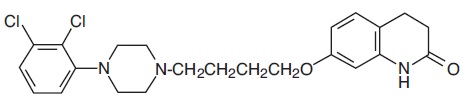
ARIPIPRAZOLE 5MG 30TAB
Generic: Aripiprazole
ARIPIPRAZOLE 5MG 30TAB
Sign up to see pricing
Licensed pharmacies, clinics, doctor's offices, and veterinary practices get instant account approval
Sign Up — Instant ApprovalDrug Information
Identification
Aripiprazole
Aripiprazole
Camber Pharmaceuticals, Inc.
HUMAN PRESCRIPTION DRUG
Administration
TABLET
ORAL
ANDA205064
Active Ingredients
| Ingredient | Strength |
|---|---|
| ARIPIPRAZOLE | 5 mg/1 |
Pharmacological Class
Data sourced from openFDA / DailyMed. For full prescribing information, consult the drug label.
Wholesale compliance resources
Drug Resources
Clinical Drug Information
Indications & Usage
1 INDICATIONS AND USAGE Aripiprazole oral tablets are indicated for the treatment of: Schizophrenia Treatment of Tourette’s Disorder Aripiprazole tablets are an atypical antipsychotic. The oral formulations are indicated for: Schizophrenia ( 14.1 ) Treatment of Tourette’s disorder ( 14.5 )
Dosage & Administration
2 DOSAGE AND ADMINISTRATION Initial Dose Recommended Dose Maximum Dose Schizophrenia – adults (2.1) 10 to 15 mg/day 10 to 15 mg/day 30 mg/day Schizophrenia – adolescents (2.1) 2 mg/day 10 mg/day 30 mg/day Tourette’s disorder – (2.5) Patients 50kg 2 mg/day 10 mg/day 20 mg/day • Oral formulations: Administer once daily without regard to meals ( 2 ) • Known CYP2D6 poor metabolizers: Half of the usual dose ( 2.7 ) 2.1 Schizophrenia Adults The recommended starting and target dose for aripiprazole tablets is 10 or 15 mg/day administered on a once-a-day schedule without regard to meals. Aripiprazole tablets have been systematically evaluated and shown to be effective in a dose range of 10 to 30 mg/day, when administered as the tablet formulation; however, doses higher than 10 or 15 mg/day were not more effective than 10 or 15 mg/day. Dosage increases should generally not be made before 2 weeks, the time needed to achieve steady-state [see Clinical Studies ( 14.1 )] . Maintenance Treatment: Maintenance of efficacy in schizophrenia was demonstrated in a trial involving patients with schizophrenia who had been symptomatically stable on other antipsychotic medications for periods of 3 months or longer. These patients were discontinued from those medications and randomized to either aripiprazole tablets 15 mg/day or placebo, and observed for relapse [see Clinical Studies ( 14.1 )] . Patients should be periodically reassessed to determine the continued need for maintenance treatment. Adolescents The recommended target dose of aripiprazole tablets is 10 mg/day. Aripiprazole was studied in adolescent patients 13 to 17 years of age with schizophrenia at daily doses of 10 mg and 30 mg. The starting daily dose of the tablet formulation in these patients was 2 mg, which was titrated to 5 mg after 2 days and to the target dose of 10 mg after 2 additional days. Subsequent dose increases should be administered in 5 mg increments. The 30 mg/day dose was not shown to be more efficacious than the 10 mg/day dose. Aripiprazole tablets can be administered without regard to meals [see Clinical Studies ( 14.1 )] . Patients should be periodically reassessed to determine the need for maintenance treatment. Switching from Other Antipsychotics There are no systematically collected data to specifically address switching patients with schizophrenia from other antipsychotics to aripiprazole tablets or concerning concomitant administration with other antipsychotics. While immediate discontinuation of the previous antipsychotic treatment may be acceptable for some patients with schizophrenia, more gradual discontinuation may be most appropriate for others. In all cases, the period of overlapping antipsychotic administration should be minimized. 2.5 Tourette’s Disorder Pediatric Patients (6 to 18 years) The recommended dosage range for Tourette’s Disorder is 5 to 20 mg/day. For patients weighing less than 50 kg, dosing should be initiated at 2 mg/day with a target dose of 5 mg/day after 2 days. The dose can be increased to 10 mg/day in patients who do not achieve optimal control of tics. Dosage adjustments should occur gradually at intervals of no less than one week. For patients weighing 50 kg or more, dosing should be initiated at 2 mg/day for 2 days, and then increased to 5 mg/day for 5 days, with a target dose of 10 mg/day on Day 8. The dose can be increased up to 20 mg/day for patients who do not achieve optimal control of tics. Dosage adjustments should occur gradually in increments of 5 mg/day at intervals of no less than one week [see Clinical Studies (14.5)]. Patients should be periodically reassessed to determine the continued need for maintenance treatment. 2.7 Dosage Adjustments for Cytochrome P450 Considerations Dosage adjustments are recommended in patients who are known CYP2D6 poor metabolizers and in patients taking concomitant CYP3A4 inhibitors or CYP2D6 inhibitors or strong CYP3A4 inducers (see Table 2). When the coadministered drug is withdrawn from the combination therapy, aripiprazole tablets dosage should then be adjusted to its original level. When the coadministered CYP3A4 inducer is withdrawn, aripiprazole tablets dosage should be reduced to the original level over 1 to 2 weeks. Patients who may be receiving a combination of strong, moderate, and weak inhibitors of CYP3A4 and CYP2D6 (e.g., a strong CYP3A4 inhibitor and a moderate CYP2D6 inhibitor or a moderate CYP3A4 inhibitor with a moderate CYP2D6 inhibitor), the dosing may be reduced to one-quarter (25%) of the usual dose initially and then adjusted to achieve a favorable clinical response. Table 2: Dose Adjustments for Aripiprazole Tablets in Patients who are known CYP2D6 Poor Metabolizers and Patients Taking Concomitant CYP2D6 Inhibitors, 3A4 Inhibitors, and/or CYP3A4 Inducers Factors Dosage Adjustments for Aripiprazole Tablets Known CYP2D6 Poor Metabolizers Administer half of usual dose Known CYP2D6 Poor Metabolizers taking concomitant strong CYP3A4 inhibitors (e.g., itraconazole, clarithromycin) Administer a quarter of usual dose Strong CYP2D6 (e.g., quinidine, fluoxetine, paroxetine) or CYP3A4 inhibitors (e.g., itraconazole, clarithromycin) Administer half of usual dose StrongCYP2D6 and CYP3A4 inhibitors Administer a quarter of usual dose Strong CYP3A4 inducers (e.g., carbamazepine, rifampin) Double usual dose over 1 to 2 weeks 2.8 Dosing of Oral Solution The oral solution can be substituted for tablets on a mg-per-mg basis up to the 25 mg dose level. Patients receiving 30 mg tablets should receive 25 mg of the solution [see Clinical Pharmacology ( 12.3 )] .
Adverse Reactions
6 ADVERSE REACTIONS Because clinical trials are conducted under widely varying conditions, adverse reaction rates observed in the clinical trials of a drug cannot be directly compared to rates in the clinical trials of another drug and may not reflect the rates observed in practice. The following adverse reactions are discussed in more detail in other sections of the labeling: • Increased Mortality in Elderly Patients with Dementia-Related Psychosis [see Boxed Warning and Warnings and Precautions ( 5.1 )] • Cerebrovascular Adverse Events, Including Stroke [see Warnings and Precautions ( 5.2 )] • Suicidal Thoughts and Behaviors in Children, Adolescents, and Young Adults [see Boxed Warning and Warnings Precautions ( 5.3 )] • Neuroleptic Malignant Syndrome (NMS) [see Warnings and Precautions ( 5.4 )] • Tardive Dyskinesia [see Warnings and Precautions ( 5.5 )] • Metabolic Changes [see Warnings and Precautions ( 5.6 )] • Pathological Gambling and Other Compulsive Behaviors [see Warnings and Precautions ( 5.7 )] • Orthostatic Hypotension [see Warnings and Precautions ( 5.8 )] • Falls [see Warnings and Precautions ( 5.9 )] • Leukopenia, Neutropenia, and Agranulocytosis [see Warnings and Precautions ( 5.10 )] • Seizures/Convulsions [see Warnings and Precautions ( 5.11 )] • Potential for Cognitive and Motor Impairment [see Warnings and Precautions ( 5.12 )] • Body Temperature Regulation [see Warnings and Precautions ( 5.13 )] • Suicide [see Warnings and Precautions ( 5.14 )] • Dysphagia [see Warnings and Precautions ( 5.15 )] The most common adverse reactions in adult patients in clinical trials (≥10%) were nausea, vomiting, constipation, headache, dizziness, akathisia, anxiety, insomnia, and restlessness. The most common adverse reactions in the pediatric clinical trials (≥10%) were somnolence, headache, vomiting, extrapyramidal disorder, fatigue, increased appetite, insomnia, nausea, nasopharyngitis, and weight increased. Aripiprazole has been evaluated for safety in 13,543 adult patients who participated in multiple-dose, clinical trials in schizophrenia, other indications, Dementia of the Alzheimer’s type, Parkinson’s disease, and alcoholism, and who had approximately 7,619 patient-years of exposure to oral aripiprazole. A total of 3,390 patients were treated with oral aripiprazole for at least 180 days and 1,933 patients treated with oral aripiprazole had at least one year of exposure. Aripiprazole has been evaluated for safety in 1,686 patients (6 to 18 years) who participated in multiple-dose, clinical trials in schizophrenia, other indications or Tourette’s disorder and who had approximately 1,342 patient-years of exposure to oral aripiprazole. A total of 959 pediatric patients were treated with oral aripiprazole for at least 180 days and 556 pediatric patients treated with oral aripiprazole had at least one year of exposure. The conditions and duration of treatment with aripiprazole included (in overlapping categories) double-blind, comparative and noncomparative open-label studies, inpatient and outpatient studies, fixed- and flexible-dose studies, and short- and longer-term exposure. Commonly observed adverse reactions (incidence ≥5% and at least twice that for placebo) were ( 6.1 ): Adult patients with schizophrenia: akathisia Pediatric patients (13 to 17 years) with schizophrenia: extrapyramidal disorder, somnolence, and tremor Pediatric patients (6 to 18 years) with Tourette’s disorder: sedation, somnolence, nausea, headache, nasopharyngitis, fatigue, increased appetite To report SUSPECTED ADVERSE REACTIONS, contact Hetero Labs Limited at 1-866-495-1995 or FDA at 1-800-FDA-1088 or www.fda.gov/medwatch. 6.1 Clinical Trials Experience Adult Patients with Schizophrenia The following findings are based on a pool of five placebo-controlled trials (four 4 week and one 6 week) in which oral aripiprazole was administered in doses ranging from 2 to 30 mg/day. Commonly Observed Adverse Reactions The only commonly observed adverse reaction associated with the use of aripiprazole in patients with schizophrenia (incidence of 5% or greater and aripiprazole incidence at least twice that for placebo) was akathisia (aripiprazole tablets 8%; placebo 4%). Less Common Adverse Reactions in Adults Table 17 enumerates the pooled incidence, rounded to the nearest percent, of adverse reactions that occurred during acute therapy (up to 6 weeks in schizophrenia and up to 3 weeks in another indication), including only those reactions that occurred in 2% or more of patients treated with aripiprazole (doses ≥2 mg/day) and for which the incidence in patients treated with aripiprazole was greater than the incidence in patients treated with placebo in the combined dataset. Table 17: Adverse Reactions in Short-Term, Placebo-Controlled Trials in Adult Patients Treated with Oral Aripiprazole Tablets Percentage of Patients Reporting Reaction * System Organ Class Aripiprazole Tablets Placebo Preferred Term ( n=1,843) (n=1,166) Eye Disorders Blurred Vision 3 1 Gastrointestinal Disorders Nausea 15 11 Constipation 11 7 Vomiting 11 6 Dyspepsia 9 7 Dry Mouth 5 4 Toothache Abdominal Discomfort 4 3 3 2 Stomach Discomfort 3 2 General Disorders and Administration Site Conditions Fatigue 6 4 Pain 3 2 Musculoskeletal and Connective Tissue Disorders Musculoskeletal Stiffness 4 3 Pain in Extremity 4 2 Myalgia 2 1 Muscle Spasms 2 1 Nervous System Disorders Headache 27 23 Dizziness 10 7 Akathisia 10 4 Sedation 7 4 Extrapyramidal Disorder 5 3 Tremor 5 3 Somnolence 5 3 Psychiatric Disorders Agitation 19 17 Insomnia 18 13 Anxiety 17 13 Restlessness 5 3 Respiratory, Thoracic, and Mediastinal Disorders Pharyngolaryngeal Pain 3 2 Cough 3 2 *Adverse reactions reported by at least 2% of patients treated with oral aripiprazole, except adverse reactions which had an incidence equal to or less than placebo. An examination of population subgroups did not reveal any clear evidence of differential adverse reaction incidence on the basis of age, gender, or race. Pediatric Patients (13 to 17 years) with Schizophrenia The following findings are based on one 6-week, placebo-controlled trial in which oral aripiprazole was administered in doses ranging from 2 to 30 mg/day. Adverse Reactions Associated with Discontinuation of Treatment The incidence of discontinuation due to adverse reactions between aripiprazole-treated and placebo-treated pediatric patients (13 to 17 years) was 5% and 2%, respectively. Commonly Observed Adverse Reactions Commonly observed adverse reactions associated with the use of aripiprazole in adolescent patients with schizophrenia (incidence of 5% or greater and aripiprazole incidence at least twice that for placebo) were extrapyramidal disorder, somnolence, and tremor. Pediatric Patients (6 to 18 years) with Tourette's Disorder The following findings are based on one 8 week and one 10 week, placebo-controlled trials in which oral aripiprazole was administered in doses of 2 to 20 mg/day. Adverse Reactions Associated with Discontinuation of Treatment The incidence of discontinuation due to adverse reactions between aripiprazole-treated and placebo-treated pediatric patients (6 to 18 years) was 7% and 1%, respectively. Commonly Observed Adverse Reactions Commonly observed adverse reactions associated with the use of aripiprazole in pediatric patients with Tourette's disorder (incidence of 5% or greater and aripiprazole incidence at least twice that for placebo) are shown in Table 21. Table 21: Commonly Observed Adverse Reactions in Short-Term, Placebo-Controlled Trials of Pediatric Patients (6 to 18 years) with Tourette's Disorder Treated with Oral Aripiprazole Preferred Term Percentage of Patients Reporting Reaction * Aripiprazole Tablets (n=121) Placebo (n=72) Sedation 13 6 Somnolence 13 1 Nausea 11 4 Headache 10 3 Nasopharyngitis 9 0 Fatigue 8 0 Increased Appetite 7 1 Less Common Adverse Reactions in Pediatric Patients (6 to 18 years) with Schizophrenia, or Other Indications Table 22 enumerates the pooled incidence, rounded to the nearest percent, of adverse reactions that occurred during acute therapy (up to 6 weeks in schizophrenia, up to 4 weeks in one indication, up to 8 weeks in another indication, and up to 10 weeks in Tourette’s discorder), including only those reactions that occurred in 2% or more of pediatric patients treated with aripiprazole (doses ≥2 mg/day) and for which the incidence in patients treated with aripiprazole was greater than the incidence in patients treated with placebo. Table 22: Adverse Reactions in Short-Term, Placebo-Controlled Trials of Pediatric Patients (6 to 18 years) Treated with Oral Aripiprazole Tablets Percentage of Patients Reporting Reaction * System Organ Class Aripiprazole Tablets Placebo Preferred Term (n=732) (n=370) Eye Disorders Blurred Vision 3 0 Gastrointestinal Disorders Abdominal Discomfort 2 1 Vomiting 8 7 Nausea 8 4 Diarrhea 4 3 Salivary Hypersecretion 4 1 Abdominal Pain Upper 3 2 Constipation 2 2 General Disorders and Administration Site Conditions Fatigue 10 2 Pyrexia 4 1 Irritability 2 1 Asthenia 2 1 Infections and Infestations Nasopharyngitis 6 3 Investigations Weight Increased 3 1 Metabolism and Nutrition Disorders Increased Appetite 7 3 Decreased Appetite 5 4 Musculoskeletal and Connective Tissue Disorders Musculoskeletal Stiffness 2 1 Muscle Rigidity 2 1 Nervous System Disorders Somnolence 16 4 Headache 12 10 Sedation 9 2 Tremor 9 1 Extrapyramidal Disorder 6 1 Akathisia 6 4 Drooling 3 0 Lethargy 3 0 Dizziness 3 2 Dystonia 2 1 Respiratory, Thoracic, and Mediastinal Disorders Epistaxis 2 1 Skin and Subcutaneous Tissue Disorders Rash 2 1 *Adverse reactions reported by at least 2% of pediatric patients treated with oral aripiprazole, except adverse reactions which had an incidence equal to or less than placebo. Dose-Related Adverse Reactions Schizophrenia Dose response relationships for the incidence of treatment-emergent adverse events were evaluated from four trials in adult patients with schizophrenia comparing various fixed doses (2, 5, 10, 15, 20, and 30 mg/day) of oral aripiprazole to placebo. This analysis, stratified by study, indicated that the only adverse reaction to have a possible dose response relationship, and then most prominent only with 30 mg, was somnolence [including sedation]; (incidences were placebo, 7.1%; 10 mg, 8.5%; 15 mg, 8.7%; 20 mg, 7.5%; 30 mg, 12.6%). In the study of pediatric patients (13 to 17 years of age) with schizophrenia, three common adverse reactions appeared to have a possible dose response relationship: extrapyramidal disorder (incidences were placebo, 5%; 10 mg, 13%; 30 mg, 21.6%); somnolence (incidences were placebo, 6%; 10 mg, 11%; 30 mg, 21.6%); and tremor (incidences were placebo, 2%; 10 mg, 2%; 30 mg, 11.8%). Tourette’s Disorder In a study of pediatric patients (7 to 17 years of age) with Tourette’s disorder, no common adverse reaction(s) had a dose response relationship. Extrapyramidal Symptoms Schizophrenia In short-term, placebo-controlled trials in schizophrenia in adults, the incidence of reported EPS-related events, excluding events related to akathisia, for aripiprazole-treated patients was 13% vs. 12% for placebo; and the incidence of akathisia-related events for aripiprazole-treated patients was 8% vs. 4% for placebo. In the short-term, placebo-controlled trial of schizophrenia in pediatric patients (13 to 17 years), the incidence of reported EPS-related events, excluding events related to akathisia, for aripiprazole-treated patients was 25% vs. 7% for placebo; and the incidence of akathisia-related events for aripiprazole-treated patients was 9% vs. 6% for placebo. Objectively collected data from those trials was collected on the Simpson Angus Rating Scale (for EPS), the Barnes Akathisia Scale (for akathisia), and the Assessments of Involuntary Movement Scales (for dyskinesias). In the adult schizophrenia trials, the objectively collected data did not show a difference between aripiprazole tablets and placebo, with the exception of the Barnes Akathisia Scale (aripiprazole, 0.08; placebo, –0.05). In the pediatric (13 to 17 years) schizophrenia trial, the objectively collected data did not show a difference between aripiprazole tablets and placebo, with the exception of the Simpson Angus Rating Scale (aripiprazole tablets, 0.24; placebo, –0.29). Similarly, in a long-term (26 week), placebo-controlled trial of schizophrenia in adults, objectively collected data on the Simpson Angus Rating Scale (for EPS), the Barnes Akathisia Scale (for akathisia), and the Assessments of Involuntary Movement Scales (for dyskinesias) did not show a difference between aripiprazole tablets and placebo. Tourette’s Disorder In the short-term, placebo-controlled trials in Tourette’s disorder in pediatric patients (6 to 18 years), the incidence of reported EPS-related events, excluding events related to akathisia, for aripiprazole-treated patients was 7% vs. 6% for placebo and the incidence of akathisia-related events for aripiprazole-treated patients was 4% vs. 6% for placebo. In the pediatric (6 to 18 years) short-term Tourette’s disorder trials, changes in the Simpson Angus Rating Scale, Barnes Akathisia Scale and Assessments of Involuntary Movement Scale were not clinically meaningfully different for aripiprazole and placebo. Dystonia Symptoms of dystonia, prolonged abnormal contractions of muscle groups, may occur in susceptible individuals during the first few days of treatment. Dystonic symptoms include spasm of the neck muscles, sometimes progressing to tightness of the throat, swallowing difficulty, difficulty breathing, and/or protrusion of the tongue. While these symptoms can occur at low doses, they occur more frequently and with greater severity with high potency and at higher doses of first generation antipsychotic drugs. An elevated risk of acute dystonia is observed in males and younger age groups. Additional Findings Observed in Clinical Trials Adverse Reactions in Long-Term, Double-Blind, Placebo-Controlled Trials The adverse reactions reported in a 26 week, double-blind trial comparing oral aripiprazole tablets and placebo in patients with schizophrenia were generally consistent with those reported in the short-term, placebo-controlled trials, except for a higher incidence of tremor [8% (12/153) for aripiprazole tablets vs. 2% (3/153) for placebo]. In this study, the majority of the cases of tremor were of mild intensity (8/12 mild and 4/12 moderate), occurred early in therapy (9/12 ≤49 days), and were of limited duration (7/12 ≤10 days). Tremor infrequently led to discontinuation (<1%) of aripiprazole. In addition, in a long-term (52 week), active-controlled study, the incidence of tremor was 5% (40/859) for aripiprazole. Other Adverse Reactions Observed During Clinical Trial Evaluation of Aripiprazole The following listing does not include reactions: 1) already listed in previous tables or elsewhere in labeling, 2) for which a drug cause was remote, 3) which were so general as to be uninformative, 4) which were not considered to have significant clinical implications, or 5) which occurred at a rate equal to or less than placebo. Reactions are categorized by body system according to the following definitions: frequent adverse reactions are those occurring in at least 1/100 patients; infrequent adverse reactions are those occurring in 1/100 to 1/1,000 patients; rare reactions are those occurring in fewer than 1/1,000 patients: Adults - Oral Administration • Blood and Lymphatic System Disorders: rare - thrombocytopenia • Cardiac Disorders: infrequent – bradycardia, palpitations, rare – atrial flutter, cardio-respiratory arrest, atrioventricular block, atrial fibrillation, angina pectoris, myocardial ischemia, myocardial infarction, cardiopulmonary failure • Eye Disorders: infrequent – photophobia; rare - diplopia • Gastrointestinal Disorders: infrequent - gastroesophageal reflux disease • General Disorders and Administration Site Conditions: frequent - asthenia; infrequent – peripheral edema, chest pain; rare – face edema • Hepatobiliary Disorders:rare - hepatitis, jaundice • Immune System Disorders: rare - hypersensitivity • Injury, Poisoning, and Procedural Complications: Infrequent – fall; rare – heat stroke • Investigations: frequent - blood prolactin decreased, weight decreased, infrequent - hepatic enzyme increased, blood glucose increased, blood lactate dehydrogenase increased, gamma glutamyl transferase increased; rare – blood prolactin increased, blood urea increased, blood creatinine increased, blood bilirubin increased, electrocardiogram QT prolonged, glycosylated hemoglobin increased • Metabolism and Nutrition Disorders: frequent – anorexia; rare - hypokalemia, hyponatremia, hypoglycemia • Musculoskeletal and Connective Tissue Disorders: infrequent - muscular weakness, muscle tightness; rare – rhabdomyolysis, mobility decreased • Nervous System Disorders: infrequent - parkinsonism, memory impairment, cogwheel rigidity, hypokinesia, bradykinesia; rare – akinesia, myoclonus, coordination abnormal, speech disorder, Grand Mal convulsion; < 1/10,000 patients - choreoathetosis • Psychiatric Disorders: infrequent – aggression, loss of libido, delirium; rare – libido increased, anorgasmia, tic, homicidal ideation, catatonia, sleep walking • Renal and Urinary Disorders: rare - urinary retention, nocturia • Reproductive System and Breast Disorders:infrequent - erectile dysfunction; rare – gynaecomastia, menstruation irregular, amenorrhea, breast pain, priapism • Respiratory, Thoracic, and Mediastinal Disorders: infrequent - nasal congestion, dyspnea • Skin and Subcutaneous Tissue Disorders:infrequent - rash, hyperhidrosis, pruritus, photosensitivity reaction, alopecia; rare -urticaria • Vascular Disorders: infrequent – hypotension, hypertension Pediatric Patients - Oral Administration Most adverse events observed in the pooled database of 1,686 pediatric patients, aged 6 to 18 years, were also observed in the adult population. Additional adverse reactions observed in the pediatric population are listed below. • Eye Disorders : infrequent - oculogyric crisis • Gastrointestinal Disorders: infrequent - tongue dry, tongue spasm • Investigations: frequent - blood insulin increased • Nervous System Disorders: infrequent - sleep talking • Renal and Urinary Disorders frequent – enuresis • Skin and Subcutaneous Tissue Disorders: infrequent - hirsutism 6.2 Postmarketing Experience The following adverse reactions have been identified during post-approval use of aripiprazole. Because these reactions are reported voluntarily from a population of uncertain size, it is not always possible to reliably estimate their frequency or establish a causal relationship to drug exposure: occurrences of allergic reaction (anaphylactic reaction, angioedema, laryngospasm, pruritus/urticaria, or oropharyngeal spasm), blood glucose fluctuation, Drug reaction with Eosinophilia and Systemic Symptoms (DRESS) hiccups, oculogyric crisis, and pathological gambling.
Information for Patients
17 PATIENT COUNSELING INFORMATION Advise the patient to read the FDA-approved patient labeling ( Medication Guide). Discuss the following issues with patients prescribed aripiprazole tablets: Clinical Worsening of Depression and Suicide Risk Patients, their families, and their caregivers should be encouraged to be alert to the emergence of anxiety, agitation, panic attacks, insomnia, irritability, hostility, aggressiveness, impulsivity, akathisia (psychomotor restlessness), hypomania, mania, other unusual changes in behavior, worsening of depression, and suicidal ideation, especially early during antidepressant treatment and when the dose is adjusted up or down. Families and caregivers of patients should be advised to look for the emergence of such symptoms on a day-to-day basis, since changes may be abrupt. Such symptoms should be reported to the patient’s prescriber or health professional, especially if they are severe, abrupt in onset, or were not part of the patient’s presenting symptoms. Symptoms such as these may be associated with an increased risk for suicidal thinking and behavior and indicate a need for very close monitoring and possibly changes in the medication [see Warnings and Precautions (5.3) ] . Prescribers or other health professionals should inform patients, their families, and their caregivers about the benefits and risks associated with treatment with aripiprazole tablets and should counsel them in its appropriate use. A patient Medication Guide including information about “Antidepressant Medicines, Depression and other Serious Mental Illness, and Suicidal Thoughts or Actions” is available for aripiprazole tablets. The prescriber or health professional should instruct patients, their families, and their caregivers to read the Medication Guide and should assist them in understanding its contents. Patients should be given the opportunity to discuss the contents of the Medication Guide and to obtain answers to any questions they may have. It should be noted that aripiprazole tablets are not approved as a single agent for treatment of depression and has not been evaluated in pediatric major depressive disorder. Pathological Gambling and Other Compulsive Behaviors Advise patients and their caregivers of the possibility that they may experience compulsive urges to shop, intense urges to gamble, compulsive sexual urges, binge eating and/or other compulsive urges and the inability to control these urges while taking aripiprazole. In some cases, but not all, the urges were reported to have stopped when the dose was reduced or stopped [see Warnings and Precautions (5.7) ]. Interference with Cognitive and Motor Performance Because aripiprazole tablets may have the potential to impair judgment, thinking, or motor skills, patients should be cautioned about operating hazardous machinery, including automobiles, until they are reasonably certain that aripiprazole therapy does not affect them adversely [see Warnings and Precautions (5.12 )] . Concomitant Medication Patients should be advised to inform their physicians if they are taking, or plan to take, any prescription or over-the-counter drugs, since there is a potential for interactions [see Drug Interactions (7) ] . Heat Exposure and Dehydration Patients should be advised regarding appropriate care in avoiding overheating and dehydration [see Warnings and Precautions (5.13 )] . Pregnancy Advise patients to notify their healthcare provider if they become pregnant or intend to become pregnant during treatment with aripiprazole. Advise patients that aripiprazole may cause extrapyramidal and/or withdrawal symptoms (agitation, hypertonia, hypotonia, tremor, somnolence, respiratory distress, and feeding disorder) in a neonate. Advise patients that there is a pregnancy registry that monitors pregnancy outcomes in women exposed to Aripiprazole during pregnancy [see Use in Specific Populations (8.1) ]. Manufactured by: Manufactured for: Camber Pharmaceuticals, Inc., Piscataway, NJ 08854 By: HETERO TM Hetero Labs Limited, Unit V, Polepally, Jadcherla, Mahabubnagar - 509 301, India. Revised: 05/2023 camber-logo
Clinical data sourced from openFDA drug labeling. For complete prescribing information, consult the full drug label.