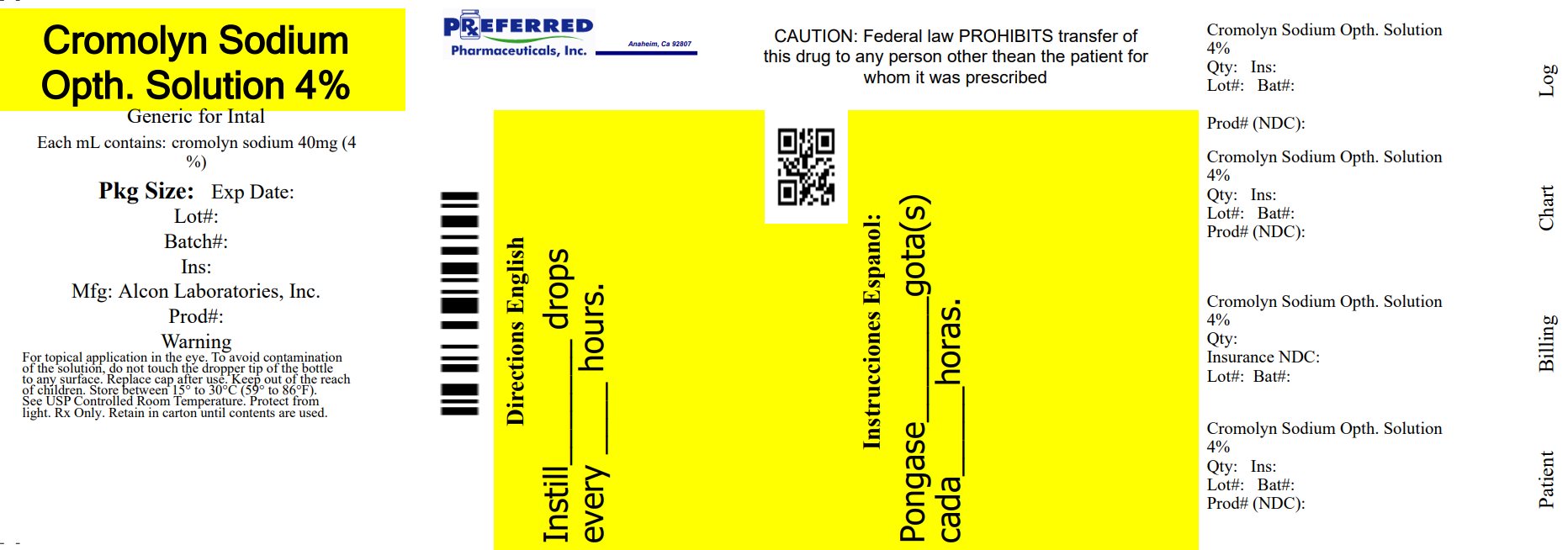
CROMOLYN SODIUM 100MG AMP 96X5ML
Generic: CROMOLYN SODIUM
CROMOLYN SODIUM 100MG AMP 96X5ML
Sign up to see pricing
Licensed pharmacies, clinics, doctor's offices, and veterinary practices get instant account approval
Sign Up — Instant ApprovalDrug Information
Identification
CROMOLYN SODIUM
CROMOLYN SODIUM
Omnivium Pharmaceuticals LLC
HUMAN PRESCRIPTION DRUG
Administration
SOLUTION, CONCENTRATE
ORAL
ANDA209264
Active Ingredients
| Ingredient | Strength |
|---|---|
| CROMOLYN SODIUM | 100 mg/5mL |
Pharmacological Class
Data sourced from openFDA / DailyMed. For full prescribing information, consult the drug label.
Wholesale compliance resources
Drug Resources
Clinical Drug Information
Indications & Usage
INDICATIONS AND USAGE: Cromolyn Sodium Oral Solution (Concentrate) is indicated in the management of patients with mastocytosis. Use of this product has been associated with improvement in diarrhea, flushing, headaches, vomiting, urticaria, abdominal pain, nausea, and itching in some patients.
Warnings
WARNINGS: The recommended dosage should be decreased in patients with decreased renal or hepatic function. Severe anaphylactic reactions may occur rarely in association with cromolyn sodium administration.
Dosage & Administration
DOSAGE AND ADMINISTRATION: NOT FOR INHALATION OR INJECTION. SEE DIRECTIONS FOR USE . The usual starting dose is as follows: Adults and Adolescents (13 Years and Older): Two ampules four times daily, taken one-half hour before meals and at bedtime. Children 2-12 Years: One ampule four times daily, taken one-half hour before meals and at bedtime. Pediatric Patients Under 2 Years: Not recommended. If satisfactory control of symptoms is not achieved within two to three weeks, the dosage may be increased but should not exceed 40 mg/kg/day. Patients should be advised that the effect of Cromolyn Sodium Oral Solution (Concentrate) therapy is dependent upon its administration at regular intervals, as directed. Maintenance Dose: Once a therapeutic response has been achieved, the dose may be reduced to the minimum required to maintain the patient with a lower degree of symptomatology. To prevent relapses, the dosage should be maintained. Administration: Cromolyn Sodium Oral Solution (Concentrate) should be administered as a solution at least 1/2 hour before meals and at bedtime after preparation according to the following directions: Break open ampule(s) and squeeze liquid contents of ampule(s) into a glass of water. Stir solution. Drink all of the liquid.
Adverse Reactions
ADVERSE REACTIONS: Most of the adverse events reported in mastocytosis patients have been transient and could represent symptoms of the disease. The most frequently reported adverse events in mastocytosis patients who have received Cromolyn Sodium Oral Solution (Concentrate) during clinical studies were headache and diarrhea, each of which occurred in 4 of the 87 patients. Pruritus, nausea, and myalgia were each reported in 3 patients and abdominal pain, rash, and irritability in 2 patients each. One report of malaise was also recorded. To report SUSPECTED ADVERSE REACTIONS, contact Omnivium Pharmaceuticals LLC at 1-888-514-4727 or FDA at 1-800-FDA-1088 or www.fda.gov/medwatch. Other Adverse Events: Additional adverse events have been reported during studies in other clinical conditions and from worldwide postmarketing experience. In most cases the available information is incomplete and attribution to the drug cannot be determined. The majority of these reports involve the gastrointestinal system and include: diarrhea, nausea, abdominal pain, constipation, dyspepsia, flatulence, glossitis, stomatitis, vomiting, dysphagia, esophagospasm. Other less commonly reported events (the majority representing only a single report) include the following: Skin: pruritus, rash, urticaria/angioedema, erythema/ burning, photosensitivity Musculoskeletal: arthralgia, myalgia, stiffness/weakness of legs Neurologic: headache, dizziness, hypoesthesia, paresthesia, migraine, convulsions, flushing Psychiatric: psychosis, anxiety, depression, hallucinations, behavior change, insomnia, nervousness Heart Rate: tachycardia, premature ventricular contractions (PVCs), palpitations Respiratory: pharyngitis, dyspnea Miscellaneous: fatigue, edema, unpleasant taste, chest pain, postprandial lightheadedness and lethargy, dysuria, urinary frequency, purpura, hepatic function test abnormal, polycythemia, neutropenia, pancytopenia, tinnitus, lupus erythematosus (LE) syndrome
Clinical data sourced from openFDA drug labeling. For complete prescribing information, consult the full drug label.