LEUPROLIDE ACE 14MG 2.8ML MDV 14-DAY KIT
Generic: LEUPROLIDE ACETATE
LEUPROLIDE ACE 14MG 2.8ML MDV 14-DAY KIT
Sign up to see pricing
Licensed pharmacies, clinics, doctor's offices, and veterinary practices get instant account approval
Sign Up — Instant ApprovalDrug Information
Identification
LEUPROLIDE ACETATE
LEUPROLIDE ACETATE
Eugia US LLC
HUMAN PRESCRIPTION DRUG
Administration
KIT
ANDA212963
Data sourced from openFDA / DailyMed. For full prescribing information, consult the drug label.
Wholesale compliance resources
Drug Resources
Clinical Drug Information
Indications & Usage
INDICATIONS AND USAGE Leuprolide acetate injection is indicated in the palliative treatment of advanced prostatic cancer.
Warnings
WARNINGS Initially, leuprolide acetate injection, like other LH-RH agonists, causes increases in serum levels of testosterone. Transient worsening of symptoms, or the occurrence of additional signs and symptoms of prostate cancer, may develop during the first few weeks of leuprolide acetate injection treatment. Patients may experience a temporary increase in bone pain, which can be managed symptomatically. As with other LH-RH agonists, ureteral obstruction and spinal cord compression have been observed, which may contribute to paralysis with or without fatal complications. Safe use of leuprolide acetate in pregnancy has not been established clinically. Leuprolide acetate injection may cause fetal harm. Periodic monitoring of serum testosterone and prostate-specific antigen (PSA) levels is recommended, especially if the anticipated clinical or biochemical response to treatment has not been achieved. It should be noted that results of testosterone determinations are dependent on assay methodology. It is advisable to be aware of the type and precision of the assay methodology to make appropriate clinical and therapeutic decisions. Severe Cutaneous Adverse Reactions Leuprolide acetate can cause severe cutaneous adverse reactions (SCARs), including Stevens-Johnson syndrome/toxic epidermal necrolysis (SJS/TEN), drug reaction with eosinophilia and systemic symptoms (DRESS), and acute generalized exanthematous pustulosis (AGEP). SCARs, including SJS/TEN, DRESS, and AGEP, occurred in patients receiving leuprolide acetate; including cases with visceral involvement and/or requiring skin grafts [see Adverse Reactions ]. Monitor patients for the development of SCARs. If a SCAR is suspected, interrupt leuprolide acetate until the etiology of the reaction has been determined. Consultation with a dermatologist is recommended. If a SCAR is confirmed, or for other grade 4 skin reactions, permanently discontinue leuprolide acetate.
Dosage & Administration
DOSAGE AND ADMINISTRATION The recommended dose is 1 mg (0.2 mL or 20 unit mark) administered as a single daily subcutaneous injection. As with other drugs administered chronically by subcutaneous injection, the injection site should be varied periodically. Each 0.2 mL contains 1 mg of leuprolide acetate, sodium chloride for tonicity adjustment, 1.8 mg of benzyl alcohol as preservative and water for injection. The pH may have been adjusted with sodium hydroxide and/or glacial acetic acid. Follow the pictorial directions on the reverse side of this package insert for administration. NOTE: As with all parenteral products, inspect the solution for discoloration and particulate matter before each use.
Adverse Reactions
ADVERSE REACTIONS Clinical Trials In the majority of patients testosterone levels increased above baseline during the first week, declining thereafter to baseline levels or below by the end of the second week of treatment. This transient increase was occasionally associated with a temporary worsening of signs and symptoms, usually manifested by an increase in bone pain (see WARNINGS section). Cases of temporary worsening of existing hematuria and urinary tract obstruction have occurred during the first week. Temporary weakness and paresthesia of the lower limbs have been reported. Potential exacerbations of signs and symptoms during the first few weeks of treatment is a concern in patients with vertebral metastases and/or urinary obstruction which, if aggravated, may lead to neurological problems or increase the obstruction. In a comparative trial of leuprolide acetate injection versus DES, in 5% or more of the patients receiving either drug, the following adverse reactions were reported to have a possible or probable relationship to drug as ascribed by the treating physician. Often, causality is difficult to assess in patients with metastatic prostate cancer. Reactions considered not drug related are excluded. Leuprolide acetate Injection (N=98) DES (N=101) Number of Reports Cardiovascular System Congestive heart failure 1 5 ECG changes/ischemia 19 22 High blood pressure 8 5 Murmur 3 8 Peripheral edema 12 30 Phlebitis/thrombosis 2 10 Gastrointestinal System Anorexia 6 5 Constipation 7 9 Nausea/vomiting 5 17 Endocrine System *Decreased testicular size 7 11 *Gynecomastia/breast tenderness or pain 7 63 *Hot flashes 55 12 *Impotence 4 12 Hemic and Lymphatic System Anemia 5 5 Musculoskeletal System Bone pain 5 2 Myalgia 3 9 Central/Peripheral Nervous System Dizziness/lightheadedness 5 7 General pain 13 13 Headache 7 4 Insomnia/sleep disorders 7 5 Respiratory System Dyspnea 2 8 Sinus congestion 5 6 Integumentary System Dermatitis 5 8 Urogenital System Frequency/urgency 6 8 Hematuria 6 4 Urinary tract infection 3 7 Miscellaneous Asthenia 10 10 * Physiologic effect of decreased testosterone. In this same study, the following adverse reactions were reported in less than 5% of the patients on leuprolide acetate injection. Cardiovascular System —Angina, Cardiac arrhythmias, Myocardial infarction, Pulmonary emboli; Gastrointestinal System —Diarrhea, Dysphagia, Gastrointestinal bleeding, Gastrointestinal disturbance, Peptic ulcer, Rectal polyps; Endocrine System —Libido decrease, Thyroid enlargement; Musculoskeletal System —Joint pain; Central/Peripheral Nervous System —Anxiety, Blurred vision, Lethargy, Memory disorder, Mood swings, Nervousness, Numbness, Paresthesia, Peripheral neuropathy, Syncope/blackouts, Taste disorders; Respiratory System —Cough, Pleural rub, Pneumonia, Pulmonary fibrosis; Integumentary System — Carcinoma of skin/ear, Dry skin, Ecchymosis, Hair loss, Itching, Local skin reactions, Pigmentation, Skin lesions; Urogenital System —Bladder spasms, Dysuria, Incontinence, Testicular pain, Urinary obstruction; Miscellaneous —Depression, Diabetes, Fatigue, Fever/chills, Hypoglycemia, Increased BUN, Increased calcium, Increased creatinine, Infection/inflammation, Ophthalmologic disorders, Swelling (temporal bone). In an additional clinical trial and from long-term observation of both studies, the following additional adverse reactions were reported for patients receiving leuprolide acetate injection. Cardiovascular System —Bradycardia, Carotid bruit, Extrasystole, Palpitations, Perivascular cuffing (eyes), Ruptured aortic aneurysm, Stroke, Tachycardia, Transient ischemic attack; Gastrointestinal System —Flatus, Dryness of mouth and throat, Hepatitis, Hepatomegaly, Occult blood (rectal exam), Rectal fistula/erythema; Endocrine System —Libido increase, Thyroid nodule; Musculoskeletal System —Ankylosing spondylosis, Arthritis, Blurred disc margins, Bone fracture, Muscle stiffness, Muscle tenderness, Pelvic fibrosis, Spasms/cramps; Central/Peripheral Nervous System —Auditory hallucinations/tinnitus, Decreased hearing, Decreased reflexes, Euphoria, Hyperreflexia, Loss of smell, Motor deficiency; Respiratory System —Chest tightness, Decreased breathing sounds, Hemoptysis, Pleuritic chest pain, Pulmonary infiltrate, Rales/rhonchi, Rhinitis, Strep throat, Wheezing/bronchitis; Integumentary System —Boil (pubic), Bruises, Hives, Keratosis, Mole, Shingles, Spiders; Urogenital System — Blisters on penis, Inguinal hernia, Penile swelling, Post void residual, Prostatic pain, Pyuria; Miscellaneous —Abdominal distention, Facial swelling/edema, Feet burning, Flu, Eyelid growth, Hypoproteinemia, Accidental injury, Knee effusion, Mass, Pallid, Sallow, Weakness. Postmarketing During postmarketing surveillance which includes other dosage forms and other patient populations, the following adverse reactions were reported. Symptoms consistent with an anaphylactoid or asthmatic process have been rarely (incidence rate of about 0.002%) reported. Symptoms consistent with fibromyalgia (e.g., joint and muscle pain, headaches, sleep disorders, gastrointestinal distress, and shortness of breath) have been reported individually and collectively. Cardiovascular System - Hypotension, Myocardial infarction, Pulmonary embolism; Endocrine System - Diabetes; Gastrointestinal System - Hepatic dysfunction; Hepato-biliary disorder – Serious drug-induced liver injury; Hemic and Lymphatic System - Decreased WBC; Skin and Subcutaneous Tissue Disorders - Rash, Urticaria, Photosensitivity, Hair growth, SJS/TEN, DRESS, AGEP, Dermatitis exfoliative, Bullous dermatitis, Erythema multiforme; Central/Peripheral Nervous System - Convulsion, Peripheral neuropathy, Spinal fracture/paralysis, Hearing disorder; Miscellaneous - Hard nodule in throat, Weight gain, Increased uric acid; Musculoskeletal System - Tenosynovitis-like symptoms; Respiratory System - Respiratory disorders, Interstitial lung disease; Urogenital System – Prostate pain; General disorders and administration site conditions – injection site reactions including induration, abscess, and necrosis; Changes in Bone Density: Decreased bone density has been reported in the medical literature in men who have had orchiectomy or who have been treated with an LH-RH agonist analog. In a clinical trial, 25 men with prostate cancer, 12 of whom had been treated previously with leuprolide acetate for at least six months, underwent bone density studies as a result of pain. The leuprolide-treated group had lower bone density scores than the nontreated control group. It can be anticipated that long periods of medical castration in men will have effects on bone density. Pituitary apoplexy: During post-marketing surveillance, rare cases of pituitary apoplexy (a clinical syndrome secondary to infarction of the pituitary gland) have been reported after the administration of gonadotropin-releasing hormone agonists. In a majority of these cases, a pituitary adenoma was diagnosed, with a majority of pituitary apoplexy cases occurring within 2 weeks of the first dose, and some within the first hour. In these cases, pituitary apoplexy has presented as sudden headache, vomiting, visual changes, ophthalmoplegia, altered mental status, and sometimes cardiovascular collapse. Immediate medical attention has been required. Psychiatric disorders – Suicidal ideation and attempt; See other leuprolide acetate for depot suspension and leuprolide acetate injection package inserts for other events reported in the same and different patient populations.
Information for Patients
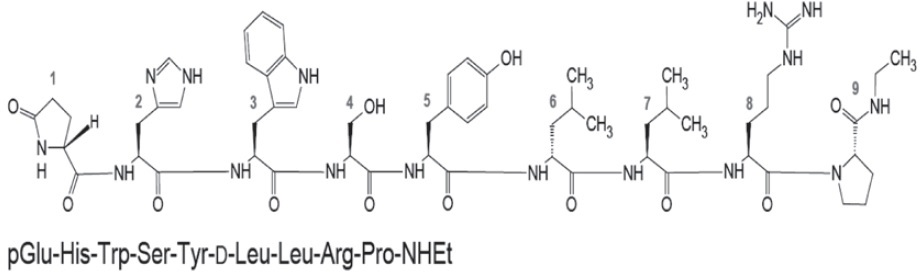
Information for Patients See INFORMATION FOR PATIENTS which appears after the REFERENCE section. INFORMATION FOR PATIENTS Be sure to consult your physician with any questions you may have or for information about leuprolide acetate injection and its use. WHAT IS LEUPROLIDE ACETATE INJECTION? Leuprolide acetate injection is chemically similar to gonadotropin releasing hormone (GnRH or LH-RH) a hormone which occurs naturally in your body. Normally, your body releases small amounts of LH-RH and this leads to events which stimulate the production of sex hormones. However, when you inject leuprolide acetate injection, the normal events that lead to sex hormone production are interrupted and testosterone is no longer produced by the testes. Leuprolide acetate injection must be injected because, like insulin which is injected by diabetics, leuprolide acetate is inactive when taken by mouth. If you were to discontinue the drug for any reason, your body would begin making testosterone again. DIRECTIONS FOR USING LEUPROLIDE ACETATE INJECTION Wash hands thoroughly with soap and water. When using a new vial of leuprolide acetate injection, flip off the plastic cover to expose the grey rubber stopper. Wipe metal ring and rubber stopper with an alcohol wipe each time you use leuprolide acetate injection. Check the liquid in the vial for particulate matter and discoloration prior to use. DO NOT USE if the liquid is not clear or has particles and replace with a new vial. Remove needle cap and inject the needle in the center of the rubber stopper on the leuprolide acetate injection vial. Take cover off needle. Push the needle through the center of the rubber stopper on the leuprolide acetate injection vial. Push the plunger all the way in to inject air into the vial. Keep the needle in the vial and turn the vial upside down. Check to make sure the tip of the needle is in the liquid. Slowly pull back on the plunger, until the syringe fills to the 0.2 mL or 20 unit mark. Toward the end of a two-week period, the amount of leuprolide acetate injection left in the vial will be small. Take special care to hold the vial straight and to keep the needle tip in liquid while pulling back on the plunger. Keeping the needle in the vial and the vial upside down, check for air bubbles in the syringe. If you see any, push the plunger slowly in to push the air bubble back into the vial. Keep the tip of the needle in the liquid and pull the plunger back again to fill to the 0.2 mL or 20 unit mark. Do this again if necessary to eliminate air bubbles. To protect your skin, inject each daily dose at a different injection site. Choose an injection site. Cleanse the injection site with another alcohol wipe. Hold the syringe in one hand. Hold the skin taut, or pull up a little flesh with the other hand, as you were instructed. Holding the syringe as you would a pencil, inject the needle all the way into the skin at a 90° angle. Push the plunger to administer the injection. Hold an alcohol wipe down on your skin where the needle is inserted and withdraw the needle at the same angle it was inserted. Use the disposable syringe only once and dispose of it properly as you were instructed. Needles thrown into a garbage bag could accidentally stick someone. NEVER LEAVE SYRINGES, NEEDLES OR DRUGS WHERE CHILDREN CAN REACH THEM. SOME SPECIAL ADVICE You may experience hot flashes when using leuprolide acetate injection. During the first few weeks of treatment you may experience increased bone pain, increased difficulty in urinating, and less commonly but most importantly, you may experience the onset or aggravation of nerve symptoms. In any of these events, discuss the symptoms with your doctor. Like other treatment options, leuprolide acetate injection may cause impotence. Notify your doctor if you develop new or worsened symptoms after beginning leuprolide acetate injection treatment. You may experience some irritation at the injection site, such as burning, itching or swelling. These reactions are usually mild and go away. If they do not, tell your doctor. If you have experienced an allergic reaction to other drugs like leuprolide acetate injection, you should not use this drug. Do not stop taking your injections because you feel better. You need an injection every day to make sure leuprolide acetate injection keeps working for you. If you need to use an alternate to the syringe supplied with leuprolide acetate injection, low-dose insulin syringes should be utilized. When the drug level gets low, take special care to hold the vial straight up and down and to keep the needle tip in liquid while pulling back on the plunger. Do not try to get every last drop out of the vial. This will increase the possibility of drawing air into the syringe and getting an incomplete dose. Some extra drug has been provided so that you can withdraw the recommended number of doses. Tell your pharmacist when you will need leuprolide acetate injection so it will be at the pharmacy when you need it. Store below 25°C (77°F). Do not store near a radiator or other very warm place. Do not freeze. Protect from light; store vial in carton until use. Do not leave your drug or hypodermic syringes where anyone can pick them up. Keep this and all other medications out of reach of children.
Clinical data sourced from openFDA drug labeling. For complete prescribing information, consult the full drug label.