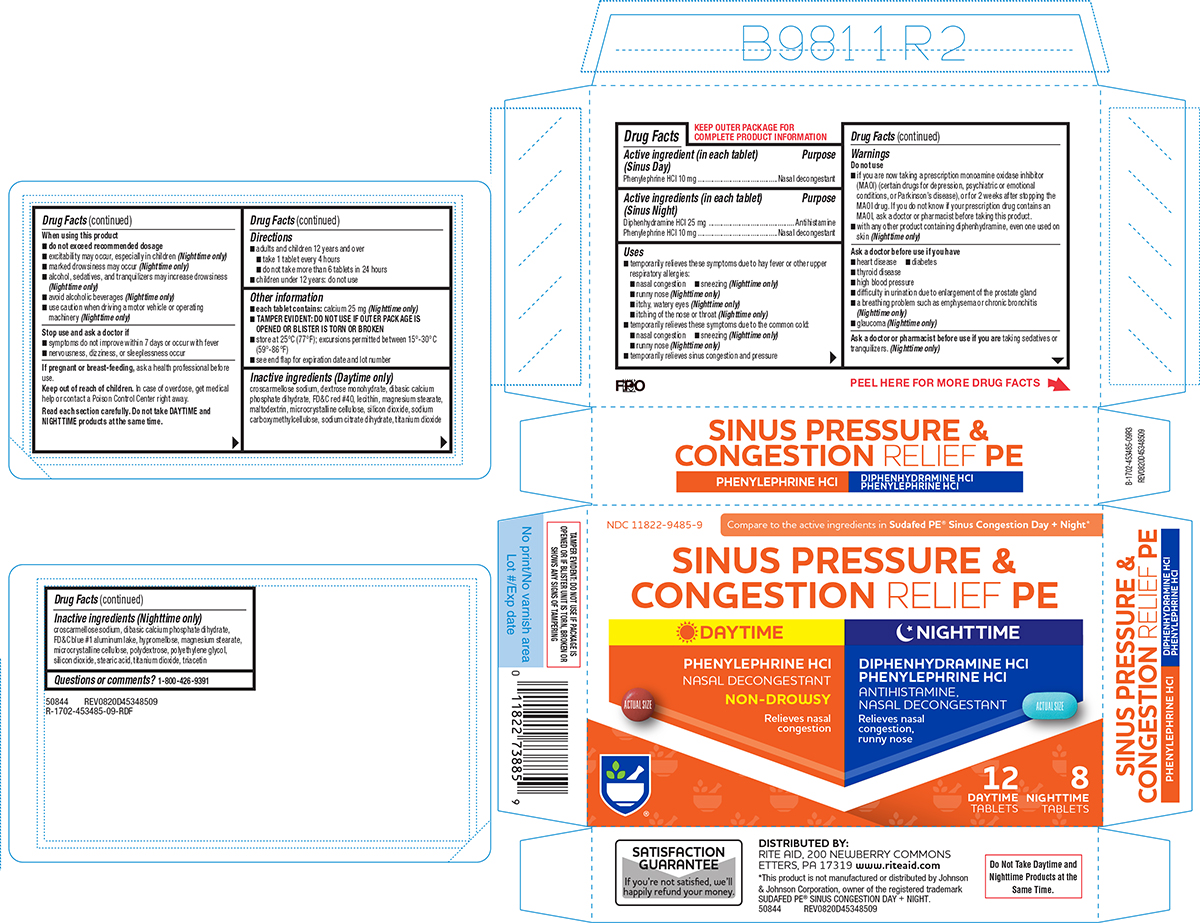
DIPHENHYDRAMINE HCL INJ 50MG 5X1ML VIAL
Generic: Diphenhydramine Hydrochloride
DIPHENHYDRAMINE HCL INJ 50MG 5X1ML VIAL
Sign up to see pricing
Licensed pharmacies, clinics, doctor's offices, and veterinary practices get instant account approval
Sign Up — Instant ApprovalDrug Information
Identification
Diphenhydramine Hydrochloride
Diphenhydramine Hydrochloride
Armas Pharmaceuticals Inc.
HUMAN PRESCRIPTION DRUG
Administration
INJECTION, SOLUTION
INTRAMUSCULAR, INTRAVENOUS
ANDA205723
Active Ingredients
| Ingredient | Strength |
|---|---|
| DIPHENHYDRAMINE HYDROCHLORIDE | 50 mg/mL |
Pharmacological Class
Data sourced from openFDA / DailyMed. For full prescribing information, consult the drug label.
Wholesale compliance resources
Clinical Drug Information
Indications & Usage
INDICATIONS AND USAGE Diphenhydramine hydrochloride in the injectable form is effective in adults and pediatric patients, other than premature infants and neonates, for the following conditions when diphenhydramine hydrochloride in the oral form is impractical. Antihistaminic For amelioration of allergic reactions to blood or plasma, in anaphylaxis as an adjunct to epinephrine and other standard measures after the acute symptoms have been controlled, and for other uncomplicated allergic conditions of the immediate type when oral therapy is impossible or contraindicated. Motion sickness For active treatment of motion sickness. Antiparkinsonism For use in parkinsonism, when oral therapy is impossible or contraindicated, as follows: parkinsonism in the elderly who are unable to tolerate more potent agents; mild cases of parkinsonism in other age groups, and in other cases of parkinsonism in combination with centrally acting anticholinergic agents.
Warnings
WARNINGS Antihistamines should be used with considerable caution in patients with narrow-angle glaucoma, stenosing peptic ulcer, pyloroduodenal obstruction, symptomatic prostatic hypertrophy, or bladder-neck obstruction. Local necrosis has been associated with the use of subcutaneous or intradermal use of intravenous diphenhydramine hydrochloride injection. Use in Pediatric Patients In pediatric patients, especially, antihistamines in overdosage may cause hallucinations, convulsions, or death. As in adults, antihistamines may diminish mental alertness in pediatric patients. In the young pediatric patient, particularly, they may produce excitation. Use in the Elderly (approximately 60 years or older) Antihistamines are more likely to cause dizziness, sedation, and hypotension in elderly patients.
Dosage & Administration
DOSAGE AND ADMINISTRATION THIS PRODUCT IS FOR INTRAVENOUS OR INTRAMUSCULAR ADMINISTRATION ONLY. Diphenhydramine hydrochloride in the injectable form is indicated when the oral form is impractical. Parenteral drug products should be inspected visually for particulate matter and discoloration prior to administration, whenever solution and container permit. DOSAGE SHOULD BE INDIVIDUALIZED ACCORDING TO THE NEEDS AND THE RESPONSE OF THE PATIENT. Pediatric Patients, other than premature infants and neonates 5 mg/kg/24 hr or 150 mg/m 2 /24 hr. Maximum daily dosage is 300 mg. Divide into four doses, administered intravenously at a rate generally not exceeding 25 mg/min, or deep intramuscularly. Adults 10 to 50 mg intravenously at a rate generally not exceeding 25 mg/min, or deep intramuscularly, 100 mg if required; maximum daily dosage is 400 mg.
Adverse Reactions
ADVERSE REACTIONS The most frequent adverse reactions are underscored. 1. General: Urticaria, drug rash, anaphylactic shock, photosensitivity, excessive perspiration, chills, dryness of mouth, nose, and throat. 2. Cardiovascular System: Hypotension, headache, palpitations, tachycardia, extrasystoles. 3. Hematologic System: Hemolytic anemia, thrombocytopenia, agranulocytosis. 4. Nervous System: Sedation, sleepiness, dizziness, disturbed coordination , fatigue, confusion, restlessness, excitation, nervousness, tremor, irritability, insomnia, euphoria, paresthesia, blurred vision, diplopia, vertigo, tinnitus, acute labyrinthitis, neuritis, convulsions. 5. GI System: Epigastric distress , anorexia, nausea, vomiting, diarrhea, constipation. 6. GU System: Urinary frequency, difficult urination, urinary retention, early menses. 7. Respiratory System: Thickening of bronchial secretions , tightness of chest or throat and wheezing, nasal stuffiness.
Information for Patients
Information for Patients Patients taking diphenhydramine hydrochloride should be advised that this drug may cause drowsiness and has an additive effect with alcohol. Patients should be warned about engaging in activities requiring mental alertness such as driving a car or operating appliances, machinery, etc.
Clinical data sourced from openFDA drug labeling. For complete prescribing information, consult the full drug label.